If you've ever dreamed of climbing one of the highest peaks on Earth but without the chaos of Everest, the Manaslu Expedition might be your perfect adventure. Rising majestically at 8,163 meters (26,781 feet), Manaslu is the eighth-highest mountain in the world and offers both technical challenges and spiritual richness. This remote and less-traveled Himalayan giant is a favorite for seasoned mountaineers seeking solitude, beauty, and a test of endurance.
Unlike the commercialized routes of Everest, Manaslu rewards its climbers with pristine alpine scenery, cultural immersion, and serious climbing without the excessive traffic. It’s not just a climb—it’s a journey through rugged terrains, ancient Buddhist villages, and an emotional rollercoaster that tests your mental and physical limits.
Introduction to Manaslu
Where is Manaslu Located?
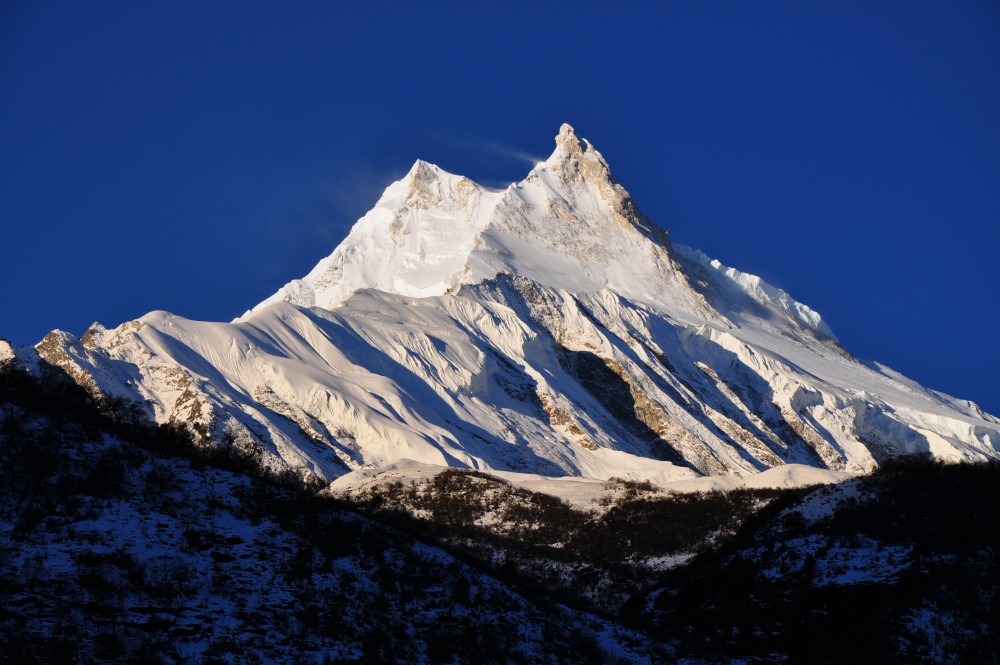
Manaslu sits in the west-central part of Nepal, within the Mansiri Himal range of the Nepalese Himalayas. It's located in the Gorkha District, about 64 kilometers east of Annapurna. While geographically close to some popular trekking routes, Manaslu remains less visited, making it a true hidden gem.
Getting to Manaslu requires a drive from Kathmandu to Arughat or Soti Khola, followed by days of trekking through remote villages and challenging terrain. But every step brings you closer to the towering white giant that dominates the skyline. Its remoteness contributes to both its mystique and the purity of the experience.
Why is Manaslu Called the “Mountain of the Spirit”?
The name “Manaslu” is derived from the Sanskrit word "Manasa," which means "soul" or "spirit." The locals believe the mountain is home to a benevolent spirit, and climbing it is a spiritual journey as much as it is a physical one. It’s revered by the surrounding communities, and many expeditions include traditional pujas (prayer ceremonies) before attempting the summit.
There’s a certain calmness that envelops you when you’re in the Manaslu region. Maybe it’s the isolation, the absence of big commercial groups, or the deep-rooted Tibetan Buddhist culture—it gives you a sense that you're not just climbing a mountain, you're connecting with something far deeper.
History of Manaslu Climbing
First Successful Ascent
Manaslu was first climbed on May 9, 1956, by Toshio Imanishi from Japan and Gyalzen Norbu Sherpa from Nepal, marking a major milestone in Himalayan mountaineering. It was Japan’s answer to Britain’s conquest of Everest, and to this day, Manaslu holds a special place in Japanese mountaineering history.
Interestingly, before the successful attempt, several Japanese expeditions had tried and failed to summit Manaslu. These early efforts laid the groundwork for eventual success, and the peak became a symbol of perseverance and collaboration.
Evolution of the Expedition Routes
Initially, the routes used were long and logistically challenging, often requiring teams to carry huge loads and spend weeks setting up base camps. Today, while Manaslu remains a challenging climb, improved gear, better logistics, and helicopter support have made it more accessible.
There are two primary routes used today: the Northeast Face, which is the standard and most popular, and a more technical, less-used South Face. Most climbers choose the Northeast route due to its relative safety, better success rate, and established camps.
Despite being known as one of the easier 8000ers in terms of technical difficulty, don’t let that fool you—avalanches, crevasses, and unpredictable weather make it a serious undertaking.
Why Choose Manaslu Expedition?
.jpg)
An Alternative to Everest
Let’s face it—Everest is crowded. Base camp often feels like a bustling marketplace rather than a remote expedition site. Manaslu Expedition offers a stark contrast. You get the thrill of climbing an 8000-meter peak without the chaos. The expedition is still tough, still high-altitude, and absolutely rewarding.
Plus, Manaslu prepares climbers for Everest. Many use it as a training ground to understand how their body reacts above 8000 meters. It’s also significantly cheaper than an Everest expedition, with some operators offering packages at half the cost.
Less Crowded Trails, Richer Experiences
The trek to Manaslu Base Camp is part of the Manaslu Circuit, one of the most scenic and culturally rich trekking routes in Nepal. You’ll walk through rhododendron forests, along roaring rivers, and into villages where ancient Tibetan customs are still alive.
Unlike Everest, where you might see more foreigners than locals, Manaslu’s trails offer authentic interactions. The teahouses are humble, the people welcoming, and the culture incredibly enriching.
So if you're not just chasing altitude but also looking for an authentic Himalayan experience, Manaslu ticks all the boxes.
Best Time for Manaslu Expedition
Autumn (September to November)
Autumn is hands-down the most popular season for Manaslu climbs. The monsoon rains have cleared the skies, leaving behind crystal-clear views and stable weather conditions. Temperatures are moderate, and trails are dry, making trekking and climbing more manageable.
You’ll encounter a few other groups, but it’s nowhere near the traffic you’d face on Everest during peak season. The forests along the trekking route are lush, and the weather is relatively predictable—two major plus points for planning.
Spring (April to May)
Spring is the second-best window. While not as stable as autumn, the climbing season starts to pick up again with warmer temperatures and blooming flowers. The visibility may not be as crisp early in the season, but it improves significantly by late April.
This season is also popular for training expeditions, so if you’re prepping for Everest or another big climb, spring gives you a perfect testing ground.
Weather Considerations and Risks
The weather on Manaslu can turn deadly in hours. Even in the best seasons, sudden snowstorms, high winds, and extreme cold are common. Avalanches and crevasse dangers increase with snowfall, especially post-monsoon.
Understanding the weather window is crucial. Most teams plan their summit push within a tight 3–5 day window when the forecast shows low winds and minimal snow risk. Always have backup days built into your itinerary.
Manaslu Expedition Itinerary
Day-by-Day Trekking and Climbing Schedule
Embarking on a Manaslu expedition isn’t just about reaching the summit; it’s a multi-week journey through some of the most beautiful and remote parts of Nepal. Here's a breakdown of a standard 25–30-day itinerary, starting from Kathmandu.
-
Day 1-2: Arrival in Kathmandu, gear check, permits, and briefing.
-
Day 3: Drive to Soti Khola (approx. 8-9 hours).
-
Day 4-8: Trek through Machha Khola, Jagat, Deng, Namrung to Sama Gaon.
-
Day 9: Acclimatization day in Sama Gaon (visit Pungyen Gompa or Manaslu Base Camp viewpoint).
-
Day 10-11: Trek to Manaslu Base Camp (~4,800m) and set up.
-
Day 12-24: Rotation climbs between Camps 1 to 3, acclimatization, rest days.
-
Day 25-27: Summit push – typically 3 days up and back.
-
Day 28-29: Return to Base Camp and trek down.
-
Day 30: Helicopter or trek exit and return to Kathmandu.
The journey is not just physically demanding; it also requires a solid acclimatization strategy and mental resilience. You’ll typically follow a "climb high, sleep low" routine to help the body adjust.
Acclimatization and Rest Days
Acclimatization is non-negotiable at high altitudes. At over 8,000 meters, you’re operating in what's known as the "death zone," where oxygen levels are dangerously low. Without proper adjustment, altitude sickness can be fatal.
To combat this, you’ll spend multiple nights at intermediate elevations and rotate between camps. A common strategy is to climb to Camp 1 (~5,600m), sleep a night or return to Base Camp, and repeat the process up to Camp 3 (~6,800m) before making the summit bid.
Rest days at Base Camp also play a crucial role. During these days, climbers hydrate, eat high-calorie meals, and mentally prepare for the push ahead. It's during these breaks that camaraderie builds among climbers—a bond that can mean everything on summit day.
Permits and Regulations
Required Permits for Manaslu Expedition
Climbing Manaslu isn't as simple as showing up and hiking. You'll need several permits, which must be arranged before entering the region:
-
Manaslu Restricted Area Permit – Required for entering the conservation region between Jagat and Samagaon.
-
Manaslu Conservation Area Permit (MCAP) – Covers environmental regulations.
-
Annapurna Conservation Area Permit (ACAP) – Needed for the exit route if combining with Annapurna Circuit.
-
Climbing Permit – Issued by the Nepal Mountaineering Association for summiting Manaslu.
-
TIMS Card – Often required for trekking support crew.
Permits cost anywhere from $1,000 to $2,000+, depending on the season and length of stay. Additionally, you must climb with a registered Nepali agency and hire a licensed guide. Solo trekking is not allowed in the Manaslu region due to its restricted status.
Rules and Climbing Ethics
-
Leave no trace: All garbage must be carried out.
-
Respect local culture: Especially religious sites, stupas, and monasteries.
-
Limit helicopter use: Only use it in emergencies or for cargo, as it affects the pristine nature of the region.
-
Follow Sherpa guidance: Their knowledge of the mountain can be the difference between success and disaster.
Failure to adhere to regulations can result in hefty fines or being denied a climbing permit in the future.
Physical and Mental Preparation
Fitness Requirements for Climbing Manaslu
Manaslu isn’t a walk in the park. You’re climbing to over 8,000 meters, hauling gear, navigating glaciers, and facing extreme cold. You need to be in top shape—cardiovascular fitness, muscular endurance, and mental strength are all crucial.
Start training at least 6–9 months in advance. Your routine should include:
-
Cardio Workouts: Hiking, running, cycling, or stair climbing 4–5 times a week.
-
Strength Training: Core, legs, and upper body for carrying heavy packs and stability on rough terrain.
-
Endurance Days: Long hikes (6+ hours) with a backpack to simulate expedition days.
-
Altitude Training: If possible, practice on smaller peaks above 4,000m.
Mental Resilience and Focus
Physical preparation will get you far, but it’s mental toughness that will get you to the summit. Long waits, bitter cold, and moments of fear are part of the package. Climbers often describe the experience as 70% mental and 30% physical.
Meditation, breathing exercises, journaling, or simply visualizing your summit can help. When you're alone at high camp, trying to sleep in -25°C, it’s your mental strength that keeps you going.
Gear and Equipment Checklist
Essential Climbing Gear
Packing for Manaslu requires both personal and group gear. Here's what’s typically needed:
-
Clothing: Base layers, mid-layers, down suit, waterproof jacket and pants, gloves (multiple layers), balaclava, and thermal socks.
-
Footwear: Mountaineering boots (double or triple layer), crampons, camp shoes.
-
Climbing Tools: Ice axe, ascender, carabiners, harness, ropes (usually provided by expedition leaders).
-
Camping: Sleeping bag (-40°C rated), sleeping mat, headlamp with extra batteries.
-
Miscellaneous: High-SPF sunscreen, sunglasses, hydration bladder, energy snacks, toiletries, first aid kit.
Supplemental Oxygen and Safety Equipment
While some purists climb without oxygen, most commercial expeditions include supplemental oxygen for the final summit push.
Each climber typically carries:
Safety items include radios, satellite phones, avalanche beacons, and walkie-talkies to stay connected between camps.
Climbing Manaslu is serious business—don’t skimp on gear. The right equipment can save your life when conditions turn hostile.
Accommodation and Food During the Expedition
Teahouses vs. Tents
Until Base Camp, most nights are spent in teahouses—simple mountain lodges offering basic amenities like beds, hot meals, and Wi-Fi (in some places). Expect stone or wooden rooms, shared toilets, and limited electricity.
Once you hit Base Camp, it’s all about tent life. High-quality expedition tents become your home. Large dining tents are set up for meals, while communication and medical tents serve critical support roles.
Food and Nutrition Strategy
Your body will burn thousands of calories a day, so eating enough is crucial. On the trek, you’ll enjoy local Nepali dishes like dal bhat, momos, noodles, and pancakes. At Base Camp and above, meals are carb-heavy—rice, pasta, soups, energy bars, and sometimes freeze-dried foods.
Hydration is vital. Most teams use purification tablets or boiled water, and hydration bladders make it easy to drink on the go. Some even bring electrolyte packets or protein powders to maintain nutrition.
Manaslu Expedition Cost Breakdown
How Much Does a Full Manaslu Expedition Package Cost?
Let’s be real: climbing an 8000-meter peak isn’t cheap, but it’s also an investment in a once-in-a-lifetime experience. The total cost of a Manaslu Expedition package can range from $11,000 to $18,000+, depending on the level of service, logistics, and the outfitter you choose.
Here’s a detailed cost breakdown:
| Expense Item |
Estimated Cost (USD) |
| Climbing Permit (Autumn) |
$1,800 |
| Trekking Permits (MCAP, ACAP, RAP) |
$100–$150 |
| Liaison Officer Fee + Wages |
$500–$600 |
| Government & Agency Fees |
$300–$500 |
| Insurance for Staff |
$150–$200 |
| Round-Trip Domestic Transport |
$250–$400 |
| Expedition Logistics (Porters, Mules) |
$1,000–$1,500 |
| Base Camp Setup & Meals |
$2,000–$3,000 |
| Sherpa Guide (1:1 or 2:1 ratio) |
$2,000–$4,000 |
| Oxygen Bottles + Mask (Optional) |
$1,000–$2,000 |
| Hotel in Kathmandu (Pre/Post) |
$150–$400 |
| Travel Insurance |
$100–$300 |
| Tips & Contingency |
$200–$400 |
| Total Estimated Cost |
$11,000–$18,000+ |
Some luxury packages may include satellite communications, personal chefs, and high-altitude porters, which will push the price even higher.
If you’re looking for a budget-friendly version, you can skip optional oxygen, join a group expedition, or limit extra comforts. Just remember: cutting corners on safety or guide expertise can be dangerous.
Base Camp Services and Support
Facilities at Manaslu Base Camp
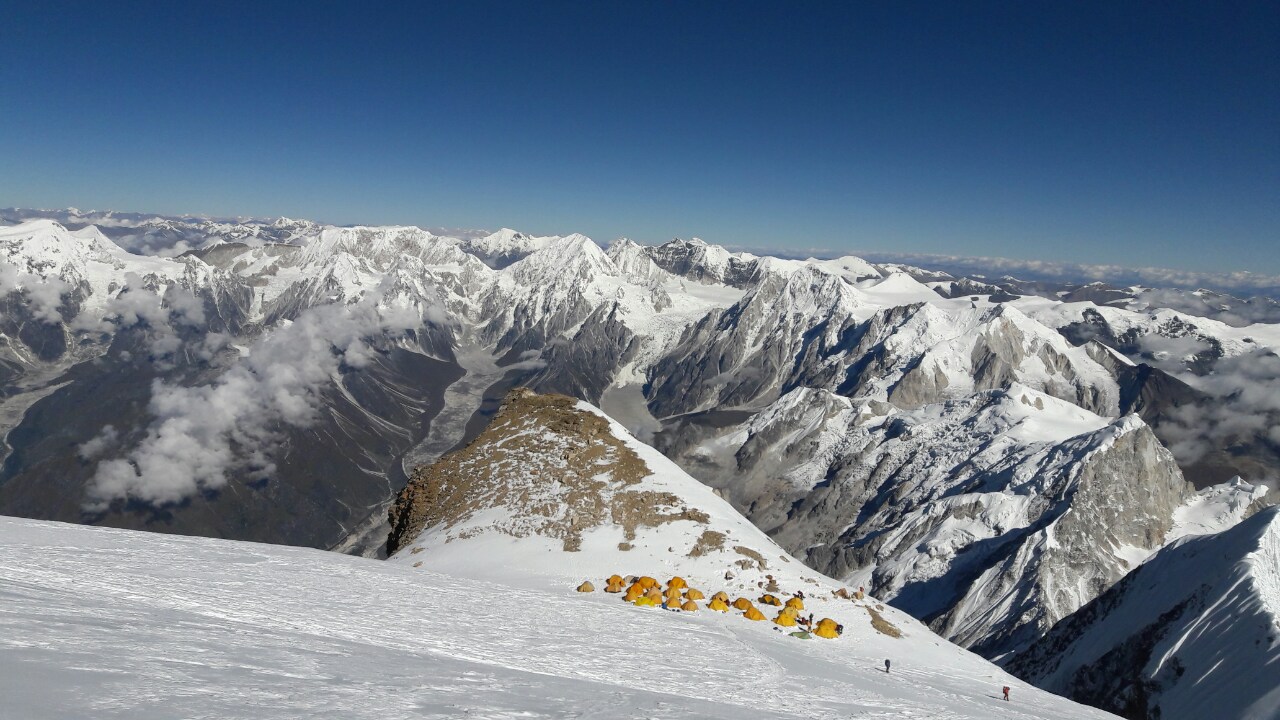
At around 4,800 meters, Manaslu Base Camp becomes your central hub for the expedition. Life here is simple but functional, with your team setting up a mini village of tents designed to sustain you for weeks.
Here’s what to expect at base camp:
-
Personal Tents: High-quality sleeping tents with insulation mats and sleeping bags.
-
Dining Tent: Communal area with chairs, tables, lighting, and usually a gas heater.
-
Toilet Tent: A separate sanitation tent for hygiene purposes.
-
Kitchen Tent: Staff prepare warm meals 3 times a day, with snacks and tea/coffee always available.
-
Communication Tent: Solar-charged or generator-powered, often includes satellite phone access or Wi-Fi (extra charge).
-
Medical Tent: Basic medical supplies and oxygen, monitored by the team or expedition doctor.
-
Storage Tents: To safely keep climbing gear and personal items.
Staff Support and Daily Life
Your comfort and safety are heavily dependent on the support staff:
-
Climbing Sherpas: Your mountain partners, rope fixers, and summit-day heroes.
-
Base Camp Cook & Assistants: Prepare hot meals, which are crucial for recovery.
-
Porters/Yak Drivers: Carry your gear to Base Camp.
-
Expedition Leader or Guide: Coordinates logistics and makes key decisions during the climb.
Days at Base Camp typically start with breakfast, weather updates, and gear prep. Rest days are filled with short hikes (active acclimatization), book reading, or recovery sleep. It’s also a mental reset zone before heading into the serious climbs above Camp 1.
Challenges and Risks of Manaslu Climbing
.jpg)
Avalanches, Crevasses, and Altitude Illness
Manaslu is not considered the most technical 8000er, but that doesn’t mean it’s easy. The mountain has claimed lives, mainly due to avalanches and altitude-related illnesses.
-
Avalanches: The glacier zones and snow-heavy ridges between Camp 1 and Camp 3 are avalanche-prone, especially after fresh snowfall or temperature changes.
-
Crevasses: Hidden under snow, these deep cracks can swallow a climber. Rope travel and good route-finding are critical.
-
AMS (Acute Mountain Sickness): Headaches, nausea, and dizziness can occur above 3,000m and worsen above 6,000m. Climbers must descend immediately if symptoms escalate.
Decision-Making and Turnaround Times
One of the most important aspects of expedition success is knowing when to turn back. Summit fever—an obsessive drive to reach the top—can lead to deadly consequences.
Your guide will monitor weather windows, oxygen saturation, and team health constantly. Having the discipline to listen and follow turnaround times can save lives.
Cultural Experience in the Manaslu Region
Tibetan Buddhism and Local Villages
The Manaslu Circuit is a cultural gem, home to ethnic Gurung and Tibetan communities. As you trek toward the base camp, you’ll pass through villages like Samdo and Sama Gaon, where ancient customs, languages, and architecture are preserved.
You’ll see:
-
Colorful prayer flags dancing in the wind
-
Massive mani walls (stone slabs with Buddhist chants)
-
Centuries-old monasteries and gompas
-
Locals herding yaks or spinning prayer wheels
Many expeditions include a visit to Pungyen Gompa, a remote monastery that offers spiritual energy and panoramic views of Manaslu’s face.
Climbers often join a puja ceremony at Base Camp before climbing—a traditional ritual to ask the mountain spirits for safe passage. Don’t skip it. It’s a deeply moving experience and often sets the tone for the climb.
Environmental Concerns and Responsible Climbing
Leave No Trace and Sustainable Practices
As more climbers flock to 8000-meter peaks, the risk of environmental degradation increases. Luckily, the Manaslu region is still relatively pristine, and climbers play a key role in keeping it that way.
Here’s how you can contribute:
-
Pack Out All Trash: Everything from wrappers to oxygen canisters.
-
Respect Wildlife: Don’t disturb birds, blue sheep, or Himalayan tahr.
-
Minimize Campfire Use: It damages the limited forest cover.
-
Use Solar Power: Many camps now use solar panels instead of diesel.
-
Stick to Trails: Avoid creating new paths that erode the land.
Success Rate and Famous Climbers
Summit Statistics and Notable Ascents
Manaslu is often regarded as one of the more “approachable” 8000-meter peaks in terms of technical difficulty, and that reflects in its relatively high summit success rate, often around 60% to 70%, depending on the season and conditions.
Most commercial expeditions operate with excellent logistics, oxygen support, and experienced Sherpas, which increases your chance of standing on the summit. However, it's worth noting that success is never guaranteed. Weather, health, and mountain conditions can change everything in a matter of hours.
Notable ascents:
-
Reinhold Messner, the legendary alpinist, climbed Manaslu in the early stages of his career.
-
Edurne Pasaban, the first woman to climb all 14 eight-thousanders, included Manaslu in her list.
-
Nirmal Purja, known for his speed climbs, scaled Manaslu as part of his record-breaking mission.
In recent years, climbers have also begun to debate whether many of the summit claims reached the “true summit” or not, due to a false summit ridge. GPS verification and drone images are now used to confirm actual ascents.
Manaslu vs. Other 8000ers
Comparison with Everest, Cho Oyu, and Dhaulagiri
So, how does Manaslu stack up against other famous giants? Here's a quick comparison to help you decide if Manaslu is right for you:
| Mountain |
Height (m) |
Technical Difficulty |
Crowds |
Cost Estimate |
Success Rate |
| Everest |
8,848 |
Moderate-High |
Very High |
$35,000–$60,000 |
60% |
| Cho Oyu |
8,188 |
Easy-Moderate |
Low |
$10,000–$15,000 |
75% |
| Dhaulagiri |
8,167 |
High |
Very Low |
$12,000–$20,000 |
30–40% |
| Manaslu |
8,163 |
Moderate |
Medium |
$11,000–$18,000 |
65–70% |
Manaslu is often seen as a stepping stone to Everest. It allows climbers to test their tolerance to altitude and cold while avoiding the overcrowding and massive price tag associated with Everest.
Is Manaslu Right for You?
Who Should Attempt Manaslu?
Manaslu is ideal for:
-
Climbers with previous 6,000–7,000m peak experience.
-
Trekkers looking for a first 8000-meter summit.
-
Mountaineers preparing for Everest or K2.
-
Adventurers crave remote, cultural, and authentic experiences.
It’s not suitable for:
-
Absolute beginners with no high-altitude experience.
-
Trekkers with serious health issues or altitude sensitivity.
-
Those unprepared for harsh weather, long days, and tough decisions.
If you fall into the first category, Manaslu could be the most epic journey of your climbing life. It’s not just another tick on a checklist—it’s a story of perseverance, humility, and the spirit of the mountains.
Conclusion
Climbing Manaslu, the "Mountain of the Spirit," is more than just a physical feat—it's a personal odyssey. From navigating narrow trails in Buddhist villages to pushing through deep snow at 8,000 meters, this expedition challenges your body, sharpens your mind, and nourishes your soul.
It offers everything a Himalayan adventure should—dramatic landscapes, spiritual encounters, intense physical challenge, and that once-in-a-lifetime summit photo from one of the world’s tallest peaks.
Whether you're planning to climb Everest in the future or you just want to experience an authentic high-altitude climb with less fanfare and more fulfillment, Manaslu is the mountain that gives back as much as it demands.
Pack your bags. Train hard. Respect the mountain. And maybe, just maybe, it will let you stand on its sacred summit.
FAQs
1. Do I need previous climbing experience to join a Manaslu expedition?
Yes, you should have experience climbing peaks above 6,000m, such as Island Peak or Mera Peak. Familiarity with crampons, ice axes, and rope systems is essential.
2. Is it possible to climb Manaslu without supplemental oxygen?
It is, but only for highly experienced climbers in peak physical condition. Most commercial expeditions use oxygen above Camp 3 for safety and performance.
3. How long does it take to climb Manaslu from Kathmandu and back?
A typical Manaslu expedition takes 4 to 5 weeks in total, including travel, acclimatization, climbing rotations, and the summit bid.
4. Is Manaslu dangerous to climb?
All 8000ers carry risks, including avalanches and altitude sickness. However, Manaslu is considered safer and more approachable than Dhaulagiri or Annapurna, especially when guided properly.
5. What is the best season for the Manaslu Expedition?
Autumn (September to November) is the best time, with stable weather and clear skies. Spring (April to May) is also good but slightly less predictable.