Mera Peak climbing isn’t just another adventure on a checklist—it’s a journey that quietly reshapes how you see mountains, endurance, and even yourself. Standing tall at 6,476 meters (21,247 feet), Mera Peak holds the title of the highest trekking peak in Nepal, and that alone sparks curiosity among trekkers and climbers from all over the world. But what truly makes Mera Peak special isn’t just its height; it’s the experience wrapped around it—the long walks through untouched valleys, the slow rhythm of altitude, and the moment when the Himalayan giants finally reveal themselves from the summit.
Unlike highly technical climbs that demand years of mountaineering expertise, Mera Peak climbing is accessible to adventurous trekkers who are physically fit and mentally prepared. You don’t need to be a professional climber, but you do need determination, patience, and respect for the mountains. The route to Mera Peak feels like a gradual conversation with nature. It starts gently, winds through dense rhododendron forests, crosses remote villages where life moves at its own pace, and eventually leads you onto snow and ice, where the air grows thinner and every step feels meaningful.
What makes this climb truly magical is the balance it offers. On one hand, it’s challenging enough to push your limits. On the other, it rewards you generously with solitude, raw landscapes, and one of the most breathtaking summit views in the Himalayas. From the top, you can see five of the world’s highest mountains—Everest, Lhotse, Makalu, Cho Oyu, and Kanchenjunga—standing like silent guardians around you. It’s a humbling sight, one that stays with you long after you’ve descended.
Mera Peak climbing is perfect for those who dream of stepping into the world of high-altitude mountaineering without diving straight into extreme technical climbs. It’s often described as a bridge between trekking and true mountaineering. And once you cross that bridge, there’s no turning back—the mountains have a way of calling you again.
Where Is Mera Peak Located?
Mera Peak is located in the remote and less-crowded Hinku Valley, within Nepal’s Solukhumbu region, which is also home to Mount Everest. However, unlike the busy Everest Base Camp trail, the route to Mera Peak takes you far away from the crowds and deep into a quieter, more pristine part of the Himalayas. This sense of remoteness is one of the biggest reasons climbers fall in love with Mera Peak.
Geographically, Mera Peak sits on the border of the Makalu Barun National Park, one of Nepal’s most biologically diverse protected areas. As you trek toward the mountain, you’ll pass through lush forests filled with pine, oak, and rhododendron trees. In spring, these forests burst into color, making the journey feel almost surreal. Wildlife sightings aren’t uncommon either—you might spot Himalayan thar, musk deer, or even colorful pheasants if you’re lucky.
The journey usually begins with a flight or drive to Lukla or a trek from lower-altitude regions like Paiya or Phaplu, depending on the chosen itinerary. From there, the trail gradually climbs through traditional Sherpa villages such as Pangom, Khote, and Khare. These settlements are small, welcoming, and deeply rooted in Himalayan culture. Life here revolves around farming, yak herding, and trekking tourism, and spending time in these villages offers a glimpse into a way of life shaped by altitude and tradition.
What truly sets Mera Peak’s location apart is how it feels untouched. There are fewer teahouses, fewer trekkers, and fewer distractions. It’s just you, the trail, and the mountains. In a world that feels increasingly crowded, Mera Peak offers rare breathing space—both literally and metaphorically.
The History and Significance of Mera Peak
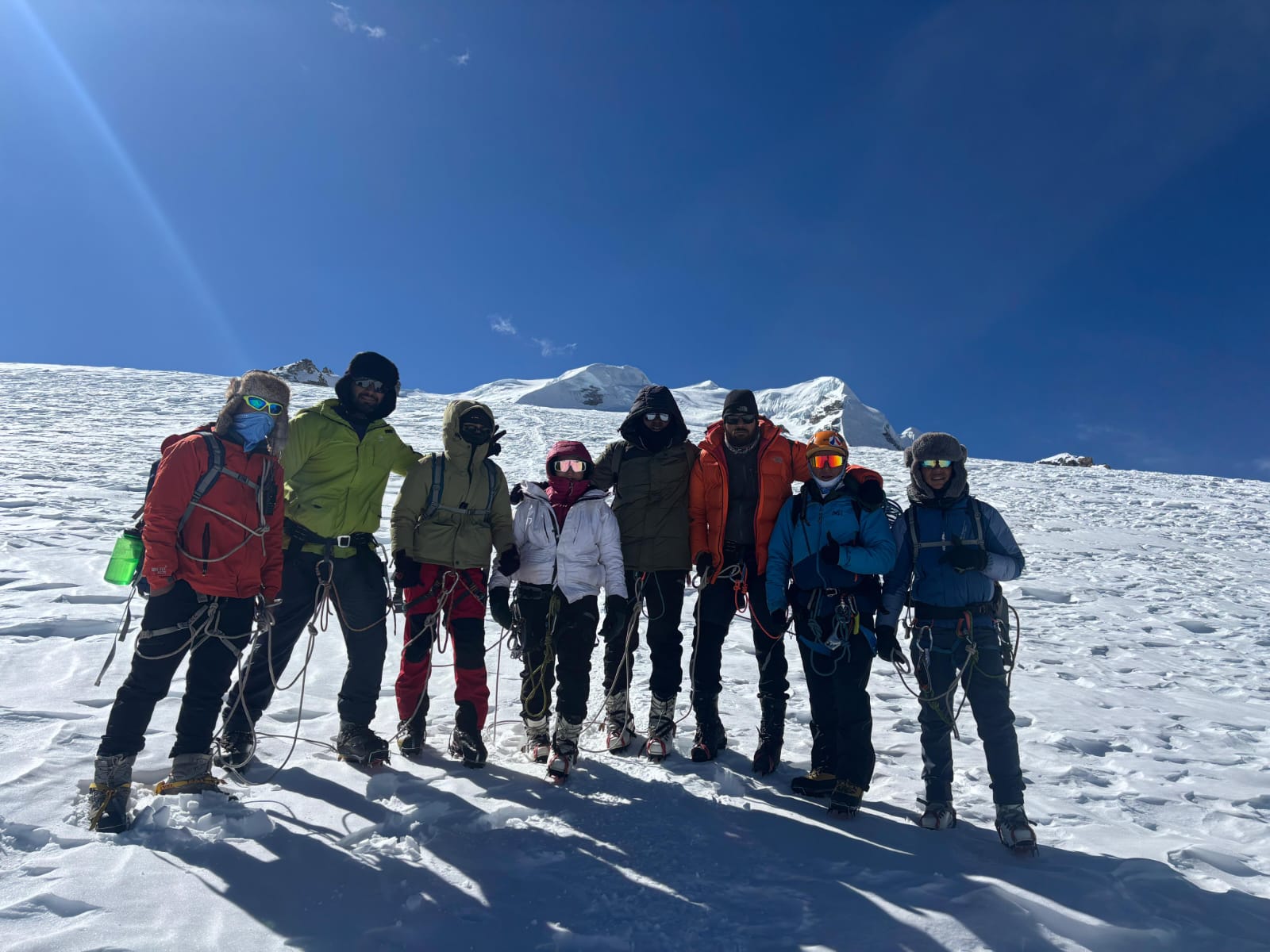
Mera Peak may be known today as a popular trekking peak, but its history is deeply tied to the evolution of Himalayan mountaineering. The peak was first climbed in 1953 by British climbers Colonel Jimmy Roberts and Sen Tenzing, marking an important moment in Nepal’s climbing history. Back then, the Himalayas were still largely unexplored, and every ascent felt like stepping into the unknown.
Over time, Mera Peak gained recognition as an ideal training ground for higher and more technical Himalayan expeditions. Many climbers who later went on to attempt peaks like Everest or Makalu first tested their high-altitude endurance on Mera Peak. Its relatively straightforward route, combined with its significant elevation, made it the perfect classroom for learning how the body reacts above 6,000 meters.
Culturally, the mountain holds quiet significance for the local communities. The surrounding valleys are inhabited mainly by Sherpa and Rai people, whose lives are closely connected to the mountains. While Mera Peak isn’t considered as sacred as some other Himalayan peaks, it’s still respected as part of the natural world that sustains local livelihoods. Prayer flags fluttering along the trail and stone mani walls carved with Buddhist mantras are gentle reminders that these mountains are more than just climbing objectives.
In modern times, Mera Peak climbing has become an important contributor to Nepal’s adventure tourism. It provides employment for guides, porters, cooks, and lodge owners, helping sustain remote mountain economies. At the same time, it introduces climbers from around the world to the raw beauty of Nepal’s lesser-known regions. In many ways, Mera Peak represents a meeting point—between tradition and adventure, solitude and challenge, history and personal ambition.
Why Choose Mera Peak Climbing Over Other Peaks?
When people start exploring trekking peaks in Nepal, names like Island Peak and Lobuche Peak often come up first. So why choose Mera Peak climbing instead? The answer lies in the unique combination of altitude, accessibility, and experience that Mera Peak offers.
First, let’s talk about altitude. At 6,476 meters, Mera Peak is higher than both Island Peak and Lobuche Peak. This means you experience true high-altitude mountaineering conditions without needing advanced technical climbing skills. For many climbers, this makes Mera Peak the perfect stepping stone toward bigger Himalayan goals. You get to test your endurance, learn how your body reacts to thin air, and build confidence at serious altitude.
Another major advantage is the route itself. The trail to Mera Peak is quieter and less commercialized. While Island Peak sits close to the busy Everest Base Camp route, Mera Peak takes you into remote valleys where silence is broken only by wind and distant rivers. If you value solitude and a deeper connection with nature, Mera Peak delivers in ways few other trekking peaks can.
Technically, Mera Peak is considered one of the easier trekking peaks. The climb involves glacier travel and the use of basic mountaineering equipment like crampons and an ice axe, but there are no steep rock faces or complex ice walls. This makes it ideal for beginners who want to learn mountaineering skills in a real Himalayan environment, under the guidance of experienced professionals.
Lastly, the reward at the summit is unmatched. Very few places on Earth allow you to stand in one spot and see five of the world’s highest mountains at once. That panoramic view alone is enough to make Mera Peak climbing a once-in-a-lifetime experience.
Stunning Mountain Views from the Summit
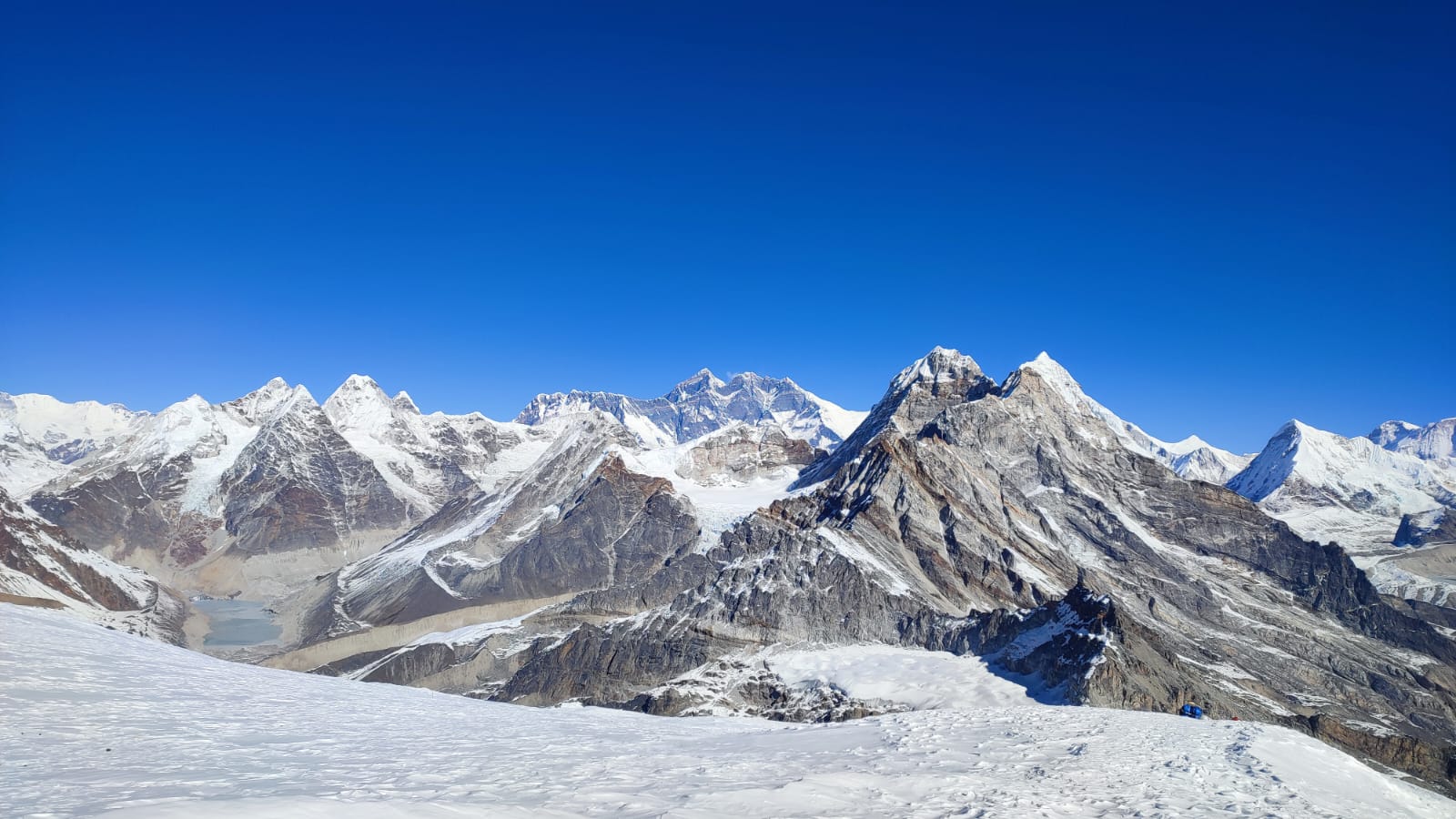
Reaching the summit of Mera Peak feels like stepping onto the roof of the world. As the sun rises and light slowly spills across the Himalayas, the surrounding peaks emerge one by one, each more impressive than the last. Directly in front of you stands Mount Everest, its icy summit glowing in the early morning light. To one side, Lhotse and Makalu rise sharply, their massive faces casting long shadows across the valleys below.
What makes this view so special isn’t just the number of famous peaks—it’s the perspective. From Mera Peak, you’re high enough to see these giants almost at eye level. They don’t feel distant or abstract; they feel close, real, and overwhelmingly powerful. To the west, Cho Oyu stretches across the horizon, while far to the east, on a clear day, you can even spot Kanchenjunga, the third-highest mountain in the world.
The summit itself is a wide, snowy dome, giving climbers space to pause, breathe, and truly take in the moment. Prayer flags flutter in the wind, cameras come out, and for a few precious minutes, everything feels still. It’s a moment of quiet triumph—not the loud, celebratory kind, but a deep, personal satisfaction that comes from effort and persistence.
Many climbers say this view alone justifies every cold night, every slow step, and every moment of doubt along the way. It’s not just a reward for reaching the top; it’s a reminder of why people are drawn to the mountains in the first place.
Best Season for Mera Peak Climbing
Choosing the right season for Mera Peak climbing can make the difference between a tough struggle and a truly enjoyable Himalayan adventure. While Mera Peak is technically climbable throughout much of the year, spring (March to May) and autumn (September to November) are widely regarded as the best seasons—and for good reason. These months offer the most stable weather, clearer skies, and safer climbing conditions, which are crucial when you’re heading above 6,000 meters.
Spring is a favorite for many climbers because the trail comes alive after winter. Lower elevations are painted with blooming rhododendrons, forests feel fresh, and temperatures gradually warm as the season progresses. Days are longer, which means more comfortable trekking hours and less pressure during summit attempts. Snow conditions on the glacier are usually stable, making it easier to use crampons and ropes efficiently. Spring also carries a sense of excitement, as many climbers use Mera Peak as preparation for bigger expeditions later in the season.
Autumn, on the other hand, offers unmatched clarity. After the monsoon rains wash dust and haze from the atmosphere, the mountains appear sharper and more dramatic. The skies are often deep blue, and visibility from the summit can be jaw-dropping. Trails are dry, and temperatures are cooler but manageable with proper gear. Autumn is also culturally rich, as major Nepalese festivals like Dashain and Tihar take place, giving climbers a chance to experience local traditions along the way.
Winter and summer are less popular but not impossible. Winter brings extreme cold and heavy snowfall at higher altitudes, making the climb more demanding and risky. Summer coincides with the monsoon, which means slippery trails, leeches in lower regions, and frequent cloud cover. While these off-seasons may appeal to highly experienced climbers seeking solitude, they are generally not recommended for first-time Mera Peak climbers.
In short, if you want the safest conditions, the best views, and the most rewarding experience, timing your Mera Peak climbing adventure in spring or autumn is the smartest choice.
Weather Conditions and Temperature
Weather plays a powerful role in shaping the Mera Peak climbing experience. At lower altitudes, conditions can feel surprisingly mild, especially during sunny days. However, as you ascend, the environment changes rapidly. One moment you’re trekking comfortably under blue skies, and the next you’re battling cold winds on a glacier. Understanding what to expect helps you prepare mentally and physically.
During the trekking phase, daytime temperatures typically range between 10°C to 20°C (50°F to 68°F), depending on the season. Nights are cooler, often dropping below freezing in higher villages like Khare. As you move closer to high camp and the summit, temperatures can plunge dramatically. On summit day, it’s not uncommon to face temperatures as low as -15°C to -20°C (5°F to -4°F), especially before sunrise when climbers usually make their final push.
Wind chill is another major factor. Even on clear days, strong winds at high altitude can make conditions feel far colder than the actual temperature. This is why proper layering, windproof jackets, and insulated gloves are not optional—they’re essential. Weather can also change quickly in the mountains. A clear morning can turn cloudy within hours, and snowfall can arrive unexpectedly, particularly in the shoulder months.
Despite these challenges, Mera Peak is known for relatively stable weather during peak seasons. Summit days are carefully chosen by guides based on forecasts, wind patterns, and group condition. Flexibility is key. Sometimes waiting an extra day at high camp for better conditions can mean the difference between success and turning back.
In the end, respecting mountain weather is part of the climb. You don’t fight it—you adapt to it. And when the skies finally clear on summit day, the reward feels even more meaningful.
Mera Peak Climbing Difficulty Level
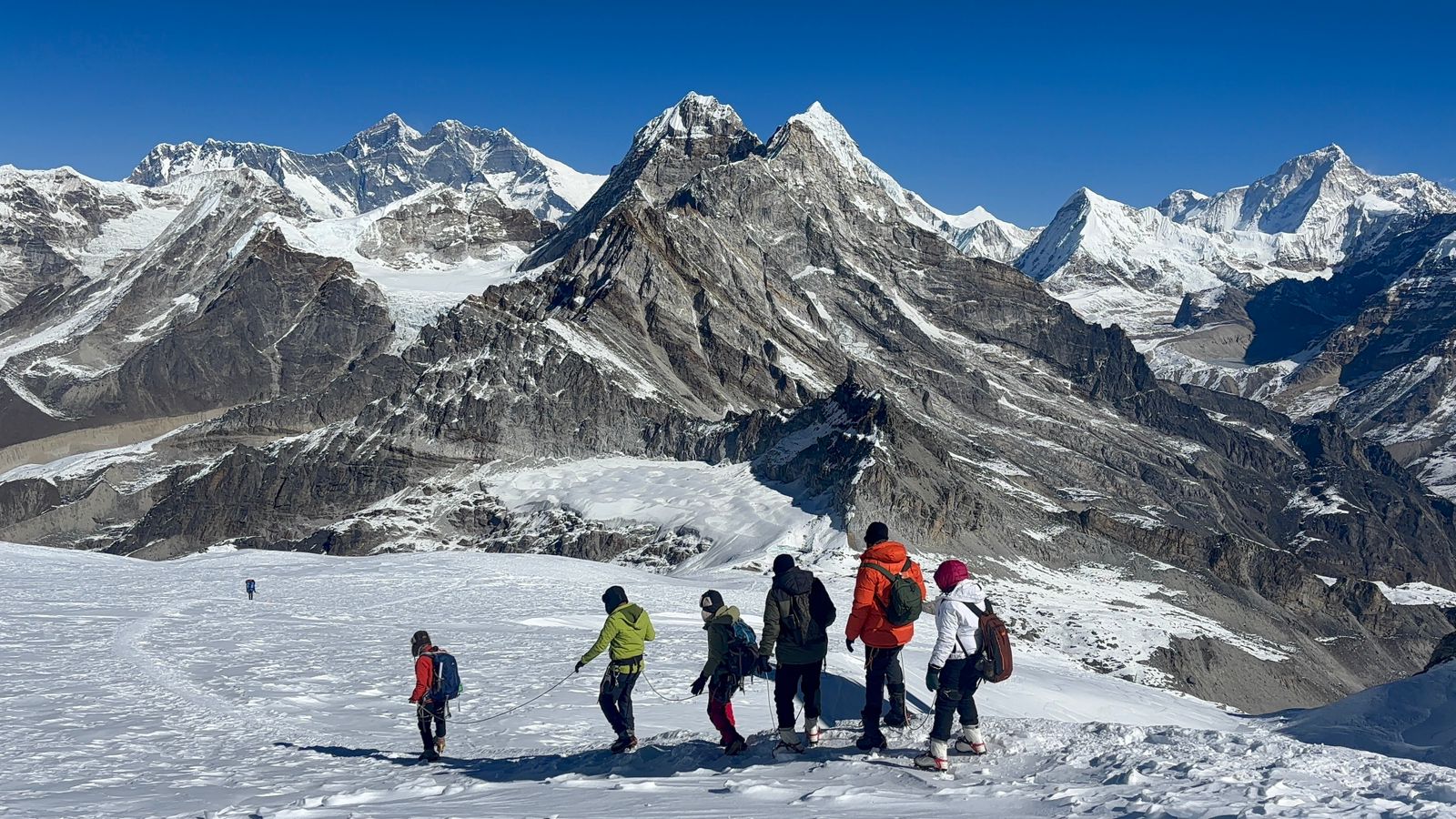
Mera Peak climbing is often described as “non-technical,” but that label can be misleading. While it’s true that the climb doesn’t require advanced rock or ice climbing skills, it is still a serious high-altitude expedition that demands strong physical fitness, mental resilience, and proper preparation. The real challenge of Mera Peak lies not in technical difficulty, but in altitude, endurance, and consistency.
From a technical standpoint, climbers use basic mountaineering equipment such as crampons, harnesses, ropes, and an ice axe. The glacier travel is straightforward, and slopes are generally gentle, especially compared to more technical peaks. Most reputable operators provide pre-climb training at base camp or Khare, ensuring climbers are comfortable using equipment before heading higher.
Physically, however, the climb is demanding. Days can be long, with several hours of steady uphill walking while carrying a daypack. The thin air above 5,000 meters slows everything down. Simple movements feel harder, breathing becomes labored, and recovery takes longer. This is where mental strength becomes just as important as physical fitness. Patience, a steady pace, and the ability to push through discomfort are essential.
Another aspect that adds to the difficulty is the length of the expedition. Mera Peak climbing typically takes 17 to 20 days, including acclimatization. Spending that much time in remote terrain, away from comfort and routine, can be mentally exhausting. Cold nights, basic facilities, and unpredictable weather all test your resolve.
That said, Mera Peak is absolutely achievable for motivated trekkers with good fitness and a positive mindset. You don’t need prior climbing experience, but you do need respect for the mountain and a willingness to prepare properly. With the right guidance, training, and attitude, Mera Peak becomes less about difficulty and more about personal growth.
Altitude Sickness and Acclimatization
Altitude sickness is one of the most serious concerns during Mera Peak climbing, and it’s something every climber must take seriously. As you ascend above 3,000 meters, the amount of oxygen in the air decreases significantly. Your body needs time to adjust, and if it doesn’t, symptoms of altitude sickness—also known as Acute Mountain Sickness (AMS)—can appear.
Common symptoms include headaches, nausea, dizziness, loss of appetite, fatigue, and difficulty sleeping. While mild symptoms are common and often manageable, severe forms like HAPE (High Altitude Pulmonary Edema) or HACE (High Altitude Cerebral Edema) can be life-threatening if ignored. This is why proper acclimatization is not optional—it’s essential.
Mera Peak itineraries are designed with acclimatization days built in, particularly in villages like Khare. These rest days aren’t about doing nothing; they usually involve short hikes to higher elevations followed by a return to sleep lower. This “climb high, sleep low” approach helps your body produce more red blood cells, improving oxygen absorption.
Experienced guides monitor climbers closely, checking for symptoms and adjusting the pace as needed. One of the biggest mistakes climbers make is rushing. Going too fast increases the risk of altitude sickness and reduces your chances of reaching the summit. Hydration, proper nutrition, and listening to your body are critical throughout the climb.
Medications like Diamox are sometimes used to help with acclimatization, but they are not a substitute for a well-planned itinerary. The golden rule of high altitude remains simple: if symptoms worsen, descend. There’s no summit worth risking your life.
When approached responsibly, acclimatization transforms Mera Peak climbing from a dangerous gamble into a controlled and rewarding journey through extreme altitude.
Detailed Mera Peak Climbing Itinerary
A well-structured itinerary is the backbone of a successful Mera Peak climbing experience. This isn’t a trip you rush through; it’s a carefully paced journey designed to help your body adapt to altitude while allowing you to truly absorb the remote beauty of the Himalayas. Most Mera Peak expeditions last between 17 to 20 days, depending on the route, acclimatization needs, and weather conditions.
The adventure usually begins in Kathmandu, where climbers prepare permits, check gear, and attend a briefing with their guide. From there, the journey heads east—either by a short but thrilling flight to Lukla or via a drive and trek through lower-altitude regions like Phaplu or Paiya. These alternative routes are often preferred for better acclimatization and fewer flight delays.
As the trek progresses, the trail winds through charming villages such as Pangom, Ningsow, and Chalem Kharka. Each day involves steady walking, crossing suspension bridges, passing through dense forests, and slowly gaining elevation. Unlike the Everest Base Camp route, these trails feel quieter and more intimate, offering a sense of discovery that’s becoming rare in popular trekking regions.
One of the most important stops along the route is Khare, the last permanent settlement before heading onto the glacier. This village serves as a crucial acclimatization point. Climbers typically spend an extra day here, practicing with climbing gear and taking short hikes to higher elevations. From Khare, the journey transitions from trekking to mountaineering.
After leaving Khare, the route leads to Mera Base Camp and then High Camp, where climbers prepare for the summit push. The final ascent usually begins before dawn, when snow conditions are firm and winds are calmer. After reaching the summit, climbers descend carefully back to Khare and begin the return journey.
A good itinerary doesn’t just aim for the summit—it prioritizes safety, acclimatization, and enjoyment. Flexibility is key, and the best climbs allow room for weather changes and rest when needed.
High Camp and Summit Day Experience
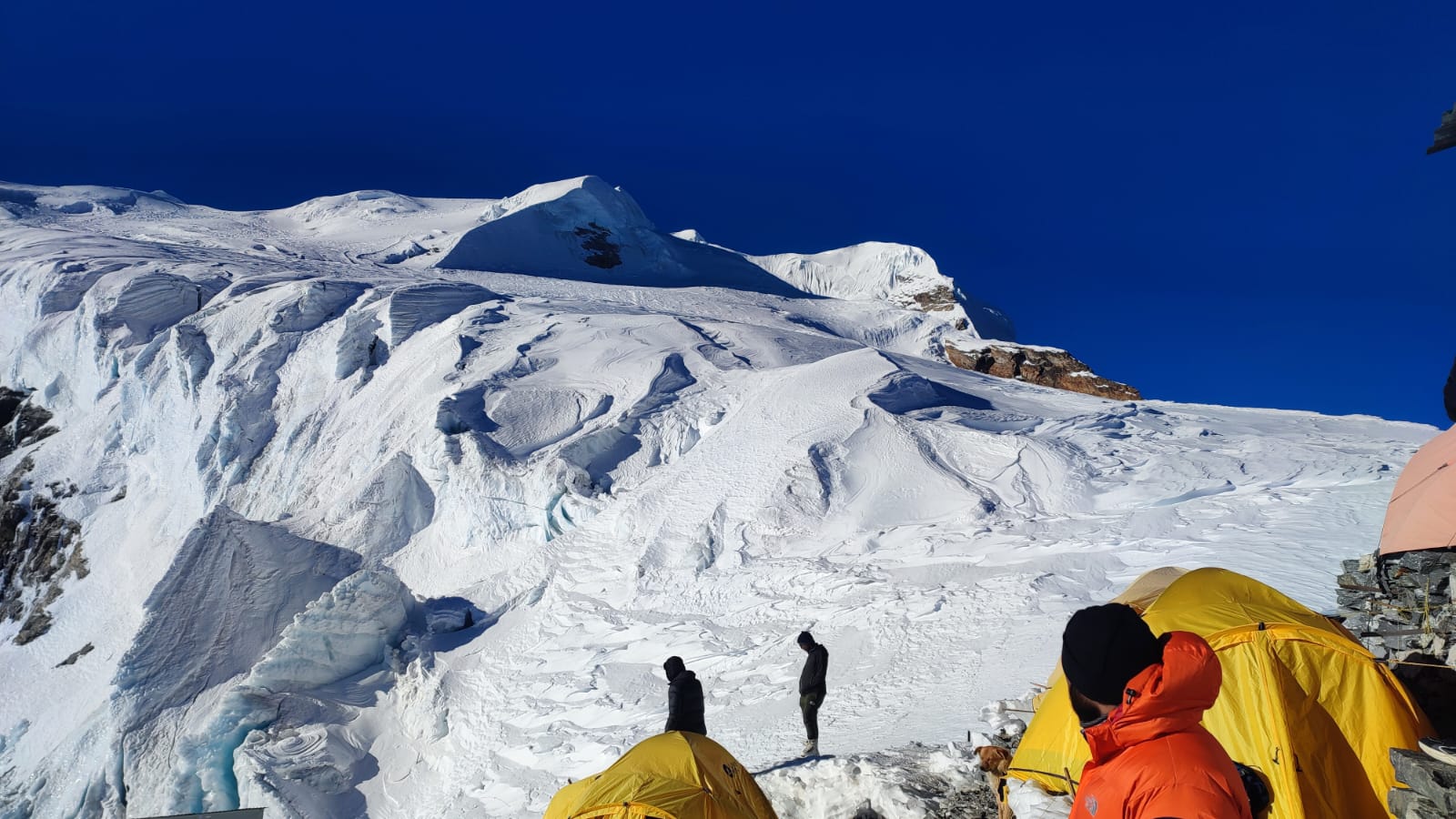
Life at high camp feels stripped down to its essentials. At this altitude, comfort takes a back seat to preparation and focus. Tents are pitched on snow, meals are simple but high-energy, and every movement feels slower due to the thin air. Yet, there’s something incredibly powerful about this stage of Mera Peak climbing—it’s where anticipation and reality finally meet.
Summit day usually begins around 2:00 to 3:00 AM. Headlamps flicker to life, boots crunch against frozen snow, and the quiet is broken only by the sound of wind and steady breathing. The climb itself is gradual but relentless. Each step requires effort, and the cold can bite through even the best gear. Guides set a slow, steady pace, ensuring climbers conserve energy and maintain rhythm.
As the sky begins to lighten, the surroundings transform. Distant peaks glow pink and gold, and the horizon stretches endlessly. Reaching the summit feels surreal. There’s no dramatic final scramble—just a gentle rise to the top, marked by prayer flags and an overwhelming sense of accomplishment.
Time on the summit is usually brief. The altitude doesn’t allow for long celebrations, but those few minutes are unforgettable. Photos are taken, quiet smiles are shared, and then it’s time to descend. The return to high camp and then back to Khare is often physically demanding, but emotionally uplifting. The hardest part is behind you, and every step down feels lighter.
Summit day on Mera Peak isn’t about conquering a mountain—it’s about earning a moment that stays with you forever.
Permits Required for Mera Peak Climbing
Climbing Mera Peak requires several official permits, and understanding them in advance helps avoid unnecessary stress. These permits are not just bureaucratic formalities—they play a vital role in maintaining safety, supporting conservation, and contributing to local communities.
The primary requirement is the Mera Peak Climbing Permit, issued by the Nepal Mountaineering Association (NMA). The cost of this permit varies by season, with spring being the most expensive due to high demand. Autumn permits are slightly cheaper, while winter and summer offer reduced rates.
In addition to the climbing permit, trekkers must obtain a Makalu Barun National Park Entry Permit, as the route passes through this protected area. This permit helps fund conservation efforts and protects the region’s unique biodiversity. Some itineraries may also require a local area permit, depending on the exact route taken.
Most climbers choose to go through licensed trekking agencies, which handle all permit logistics on their behalf. This not only saves time but ensures everything is processed correctly. Carrying copies of permits during the trek is important, as checkpoints are common along the route.
Permits are more than paperwork—they represent responsible travel. By obtaining them properly, climbers contribute to sustainable tourism and help preserve the Himalayan environment for future generations.
Cost of Mera Peak Climbing
The cost of Mera Peak climbing can vary widely depending on factors like group size, level of service, route choice, and season. On average, climbers can expect to spend anywhere between USD 2,500 to USD 4,500 for a guided expedition. While this may seem expensive at first glance, it’s important to understand what’s included.
Most packages cover permits, experienced guides, porters, accommodation during the trek, meals, domestic transportation, and climbing equipment such as ropes and tents. High-quality operators also include pre-climb training, oxygen saturation monitoring, and emergency planning, all of which add significant value.
Budget options may offer lower prices, but they often come with compromises—less experienced staff, minimal acclimatization days, or limited safety measures. On a high-altitude climb, cutting corners can have serious consequences. Investing in a reputable operator isn’t just about comfort; it’s about safety and success.
Hidden costs are another consideration. Personal gear, international flights, travel insurance, tips for staff, and extra days due to weather delays can add up. Being financially prepared allows you to focus on the climb itself rather than worrying about expenses.
Ultimately, the cost of Mera Peak climbing reflects the complexity of organizing a safe expedition in remote terrain. When weighed against the experience, the views, and the personal achievement, many climbers find it worth every penny.
Packing List for Mera Peak Climbing
Packing for Mera Peak climbing is a careful balancing act. You need enough gear to stay warm, safe, and comfortable at high altitude—but not so much that your pack becomes a burden. The right packing strategy can significantly improve your overall experience.
Clothing should follow a layering system. This includes moisture-wicking base layers, insulating mid-layers like fleece or down jackets, and a waterproof, windproof outer shell. At high altitude, weather can change rapidly, so versatility is key. Thermal gloves, insulated mittens, warm hats, and neck gaiters are essential for summit day.
Footwear is another critical component. Sturdy trekking boots are suitable for lower elevations, while mountaineering boots compatible with crampons are required for glacier travel and summit day. Well-fitted boots can prevent blisters and cold-related injuries, making a huge difference over long days.
Other essentials include:
-
A high-quality sleeping bag rated for extreme cold
-
Sunglasses with UV protection
-
Sunscreen and lip balm
-
Headlamp with extra batteries
-
Personal first-aid kit
-
Reusable water bottles or hydration system
Most climbing operators provide technical gear like ropes and tents, but personal items should never be overlooked. Packing thoughtfully isn’t just about comfort—it’s about safety and efficiency on the mountain.
Technical Equipment Explained
Technical equipment may sound intimidating, but on Mera Peak, it’s relatively straightforward and beginner-friendly. Climbers use crampons to gain traction on ice and snow, attaching them securely to mountaineering boots. An ice axe is used primarily for balance and self-arrest, rather than complex climbing maneuvers.
A climbing harness connects climbers to fixed ropes during glacier travel, adding an extra layer of safety. Guides often set ropes in steeper sections near the summit, ensuring everyone moves securely and confidently. Helmets may also be used in certain conditions to protect against falling ice.
Before heading to high camp, guides typically conduct a training session where climbers practice walking with crampons, using an ice axe, and clipping into ropes. This hands-on training builds confidence and reduces anxiety on summit day.
Understanding your equipment—and trusting it—plays a huge role in your success. When used correctly, technical gear becomes an extension of your movement, allowing you to focus on the climb rather than fear it.
Training and Preparation for Mera Peak Climbing
Training for Mera Peak climbing is not about becoming an elite athlete—it’s about building endurance, consistency, and confidence. The mountain doesn’t reward speed or brute strength; it rewards patience and preparation. A well-rounded training plan started at least 8 to 12 weeks before the climb can dramatically improve your experience and your chances of reaching the summit safely.
Cardiovascular endurance should be your foundation. Activities like hiking, stair climbing, cycling, swimming, and jogging help condition your heart and lungs. Long, steady workouts are more beneficial than short, intense bursts because Mera Peak requires hours of continuous movement at a slow pace. If possible, train with a backpack to simulate trekking conditions and gradually increase the weight.
Strength training is equally important, especially for your legs and core. Squats, lunges, step-ups, and planks help prepare your body for uneven terrain and long descents, which are often harder than climbing up. Strong legs reduce fatigue, while a stable core improves balance on snow and ice.
Mental preparation is often overlooked, yet it plays a massive role at high altitude. Long days, cold mornings, and physical discomfort can test your mindset. Practicing mindfulness, controlled breathing, or even visualizing the climb can help you stay calm and focused when conditions get tough. Remember, the mountain doesn’t care how badly you want the summit—what matters is how well you adapt.
Finally, prior trekking experience at altitude is a huge advantage. If you’ve already trekked above 4,000 meters, your body will have a better idea of how to respond. Preparation doesn’t guarantee success, but it turns uncertainty into readiness—and that makes all the difference.
Accommodation and Food During the Climb
Accommodation during Mera Peak climbing evolves as you gain altitude, reflecting the changing environment. In lower regions, trekkers stay in teahouses, which are simple lodges run by local families. These teahouses offer basic rooms, shared bathrooms, and warm dining areas where climbers gather in the evenings. While the facilities are modest, the hospitality is heartfelt, and the experience feels authentic.
As you move higher, particularly beyond Khare, accommodation shifts to camping. Tents are set up at base camp and high camp, providing shelter in harsh alpine conditions. While camping lacks the comfort of teahouses, it offers something equally valuable—silence, starlit skies, and a deep sense of immersion in the mountains.
Food plays a crucial role in maintaining energy levels. Meals are designed to be high in carbohydrates, as carbs are easier to digest and provide quick energy at altitude. Common dishes include dal bhat (lentils and rice), noodles, pasta, soups, potatoes, and porridge. While the menu becomes simpler as you go higher, the focus remains on nutrition and hydration.
Hot drinks like tea, coffee, and soup are more than comfort—they help keep you warm and encourage fluid intake. Appetite can decrease at altitude, but eating regularly is essential. Experienced guides and cooks ensure meals are timed and prepared to support acclimatization and recovery.
In the end, food and shelter on Mera Peak aren’t about luxury—they’re about fueling the journey. And when you’re exhausted after a long day, even a simple meal can feel deeply satisfying.
Hiring a Guide and Porter for Mera Peak
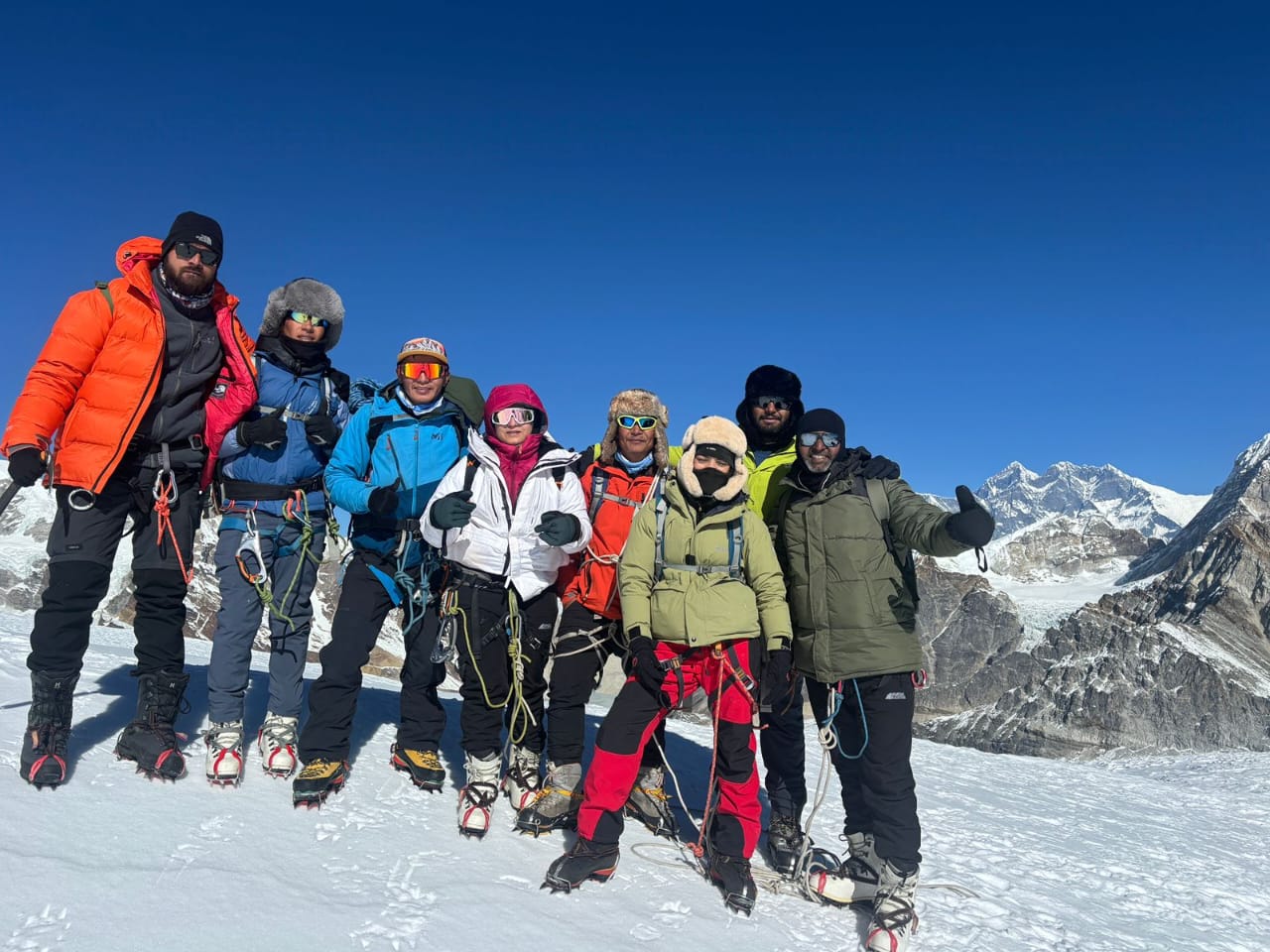
Hiring a guide for Mera Peak climbing is not just recommended—it’s essential. A qualified guide brings experience, local knowledge, and decision-making skills that can mean the difference between success and failure. They understand weather patterns, recognize early signs of altitude sickness, and know when to push forward or turn back.
Guides also handle navigation, safety systems, and communication, allowing you to focus on climbing. Many are trained in first aid and high-altitude rescue, providing an extra layer of security in remote terrain. Beyond safety, guides add depth to the experience by sharing insights about local culture, history, and landscapes.
Porters play an equally important role. By carrying heavy loads, they reduce physical strain on climbers, helping conserve energy for summit day. Hiring porters also supports local livelihoods, making your climb a form of responsible tourism. Ethical trekking companies ensure fair wages, proper equipment, and safe working conditions for their staff.
Climbing Mera Peak is a team effort. When guides, porters, and climbers work together with mutual respect, the journey becomes smoother and more meaningful.
Safety Measures and Rescue Options
Safety on Mera Peak is built on preparation, awareness, and responsible decision-making. Reputable expeditions prioritize safety over summit success, monitoring climbers closely throughout the journey. Daily health checks, slow ascent rates, and contingency days are all part of a solid safety plan.
Communication is vital. Many teams carry satellite phones or GPS devices to stay connected even in remote areas. In case of severe altitude sickness or injury, helicopter evacuation is the fastest rescue option, provided weather conditions allow. This is why comprehensive travel insurance that covers high-altitude rescue is non-negotiable.
Climbers are also encouraged to speak up about how they’re feeling. Ignoring symptoms or pushing through illness can escalate quickly at altitude. The strongest climbers are often those who know when to rest or descend.
Mountains will always carry risk, but with the right measures in place, those risks can be managed. On Mera Peak, safety isn’t an obstacle—it’s the foundation of the entire experience.
Environmental and Cultural Responsibility
Mera Peak lies in a fragile alpine environment where small actions can have lasting impacts. Practicing Leave No Trace principles is essential. This means carrying out all waste, minimizing plastic use, and respecting wildlife and natural habitats.
Cultural respect is just as important. The villages along the route are home to people whose lives are shaped by the mountains. Simple gestures—like asking permission before taking photos, dressing modestly, and learning a few local greetings—go a long way in building mutual respect.
Sustainable trekking isn’t about perfection; it’s about awareness. By choosing responsible operators and traveling thoughtfully, climbers help preserve the region for future generations.
Final Thoughts on Mera Peak Climbing
Mera Peak climbing is more than a physical achievement—it’s a personal journey through isolation, effort, doubt, and triumph. It teaches patience, humility, and resilience. The summit is unforgettable, but the true reward lies in the days spent earning it: the quiet trails, shared laughter in teahouses, and moments of self-discovery at altitude.
For those seeking a genuine Himalayan experience without extreme technical demands, Mera Peak offers the perfect balance. It challenges you just enough to change you—and that’s what makes it truly special.
FAQs About Mera Peak Climbing
1. Do I need prior climbing experience for Mera Peak?
No prior technical climbing experience is required, but good fitness and trekking experience are highly recommended.
2. How long does Mera Peak climbing take?
Most expeditions last between 17 to 20 days, including acclimatization and contingency days.
3. Is Mera Peak suitable for beginners?
Yes, it’s one of the best trekking peaks for beginners transitioning into mountaineering.
4. What is the success rate of Mera Peak climbing?
With proper acclimatization and good weather, success rates are relatively high compared to other peaks.
5. How cold does it get on summit day?
Temperatures can drop to -15°C or lower, especially before sunrise, with wind chill making it feel colder.