Equipment List for 7000 meters, Himlung Himal Expedition
Climbing Gear
❖ Helmet – 1
❖ Harness – 1
❖ Jumar (Ascending device) – 1
❖ The figure of Eight or ATC guide (Descending device) – 1
❖ Normal Ice axe – 1
❖ A Pairs of Crampon, in good condition and fitting one
❖ A Pair Alpine boots enough warm and crampon fitness
❖ Lock Carabineers – 3
❖ Open get Carabineers – 4
❖ Auxiliary cord 6mm in dynamic rope 7 meters
❖ Safety Rope 8mm in dynamic rope, 3 and a half meters
❖ Prussic rope 4 to 6mm in dynamic rope, 5 meters
❖ One tape sling with 120 cm
Personal Trekking gears:
Base Layers: ......................................
❖ Normal T-shirt 2pcs.
❖ Marino/woolen T-Shirts 2pcs.
❖ Long Sleeve Marino 2pcs.
❖ Thermal Inner wear trousers 2pcs.
❖ Under wears/Plenty 4/5pcs
❖ Sport Bras 2pcs
❖ 1 modest swimsuit.
Insulation Layer:................................
❖ Fleece Jacket 1pc
❖ Fleece-track-pant 2pc
❖ Thick Feather Super Down Jacket or goose down filled Jacket 1pc
Outer Layer:........................................................
❖ Gore-Tex suit/ water proof jacket suit 1set
❖ Hardshell Jacket 1pc
❖ Trekking Trousers: Men's Terra Mission Pants 2pcsHead
wears:...................................................................
❖ Hat-1pc
❖ Beanie/woolen cap 2pc
❖ Neck Gaiter Thermal Thick Cosy & Soft Winter Neck Sleeve2pcs
❖ Inner Gloves thin warm 2 Pairs
❖ Outer Gloves mittens must be warm 1Pairs
Foot wears......................................................
❖ Hiking Boots comfortable 1 pairs
❖ Trekking Shoes/ Sandals 1/1 pairs
❖ Climbing boots La Sportiva G2 SM Men's Mountain Climbing
Mountaineering Boot 1pair
❖ Climbing Socks/Warm Thermal/Smartwool Mountaineering Crew
Socks - 3 Pairs
❖ Hiking Socks: breathable and moisture-wicking Merino wool 4pairs
❖ Gaiters: Black Diamond Apex Gaiters. 1pairs
Back packing gears:....................................
❖ Duffel Bag: water-resistant, durable and lockable 1pc
❖ Backpack: 1 medium rucksack (45 - 60 liters/3000-3500 cubic inches.
❖ 1 large waterproof rucksack covers (optional).
❖ Rain cover 1pc
Sleeping gears:.........................................................
❖ Sleeping Bag, a warm 4-season sleeping bag (rated for at least -
30°C) 1pc
❖ Liner: mummy-shaped liner 1pc
❖ Ear Plugs: a light sleeper and hate the snoring
Supporting gears:........................................
❖ Trekking Poles: Lightweight, packable poles 1pair
❖ Sunglasses: 100% UV protecting sunglasses Julbo are recommended. 1
❖ Headlight: A Petzl Actik Headlamp/Black Diamond Storm Headlamp
with some spare batteries
❖ Water Bottle/ Hydration Bladder 1 2x 1L standard Camelback Water
Bottles
Toiletries:......................................................
❖ Towel: 1 medium Quick-drying trekking towels
❖ Toothbrush/paste (preferably biodegradable).
❖ Multi-purpose soap (preferably biodegradable).
❖ Nail clippers.
❖ Face and body moisturizer.❖ Female hygiene products.
❖ Small mirror.
❖ Wet wipes (baby wipes).
❖ Tissue /toilet roll.
❖ Anti-bacterial hand washes.
❖ 4 large, waterproof, disposable rubbish sacks.
Practical gears:............................
❖ Trail map/guide book.
❖ Journal and pen.
❖ Travel game i.e. chess, backgammon, scrabble playing cards
❖ Voltage converter (from 220 to 110).
❖ Plug adapter (2 round pegs to 2 flat pegs).
❖ Lock
❖ Camera/GoPro, and perhaps you can create awesome Videos.
❖ Portable Charger
❖ Binoculars (optional).
Medical:..........................................
❖ Small, personal first-aid kit. (simple and light).
❖ Aspirin, first-aid tape, and plasters (Band-Aids).
❖ 1 skin-blister repair kit.
❖ Anti-diarrhea pills.
❖ Anti-headache pills.
❖ Cough and/or cold medicine.
❖ Anti-altitude sickness pills: Diamox or Acetylzolamide.
❖ Stomach antibiotic: Ciprofloxacin, etc. Do not bring sleeping pills
❖ Water purification tablets or water filters.
❖ Extra pair of prescription glasses, contact lens supplies.
❖ Lip balm (At least SPF 20).
❖ Sunscreen (SPF 40).
❖ 1 small roll of repair tape, 1 sewing-repair kit.
❖ 1 cigarette lighter, 1 small box of matches.
❖ 1 compass or GPS (optional).
❖ 2 water bottles (1 liter each).
❖ 1 small folding knife.
Mt. Gyajikang, standing at 7,038 meters (23,091 feet), is one of Nepal's hidden gems in the world of high-altitude climbing. Nestled in the remote Manaslu region, it offers climbers the perfect combination of technical difficulty, stunning Himalayan scenery, and a sense of solitude that’s increasingly rare in the more popular peaks like Everest and Ama Dablam. The expedition to Mt. Gyajikang is a dream for seasoned mountaineers looking to push their limits in one of the world’s most beautiful and rugged landscapes.
Discovering Mt. Gyajikang
Mt. Gyajikang is located in the Manaslu region of Nepal, near the border with Tibet. The mountain is part of the broader Mansiri Himal range, known for its challenging peaks and pristine wilderness. While it may not have the same name recognition as Everest or Annapurna, Gyajikang is no less impressive in terms of both its beauty and its demands on climbers. The remoteness of the area ensures that only a few expeditions attempt the peak each year, giving those who make the journey a truly unique and isolated climbing experience.
Why Climb Mt. Gyajikang?
Mt. Gyajikang offers a climbing experience that is both challenging and rewarding. At over 7,000 meters, the mountain presents all the hallmarks of a serious expedition: altitude, technical rock and ice sections, and the need for strong physical endurance. What sets Gyajikang apart, however, is its relative seclusion. Unlike the crowded Everest and Manaslu expeditions, Gyajikang allows climbers to experience the raw, untouched beauty of the Himalayas without the hustle of large expedition groups. Additionally, the views from the summit are simply breathtaking, with panoramic vistas of the surrounding Himalayan giants.
The Expedition Route
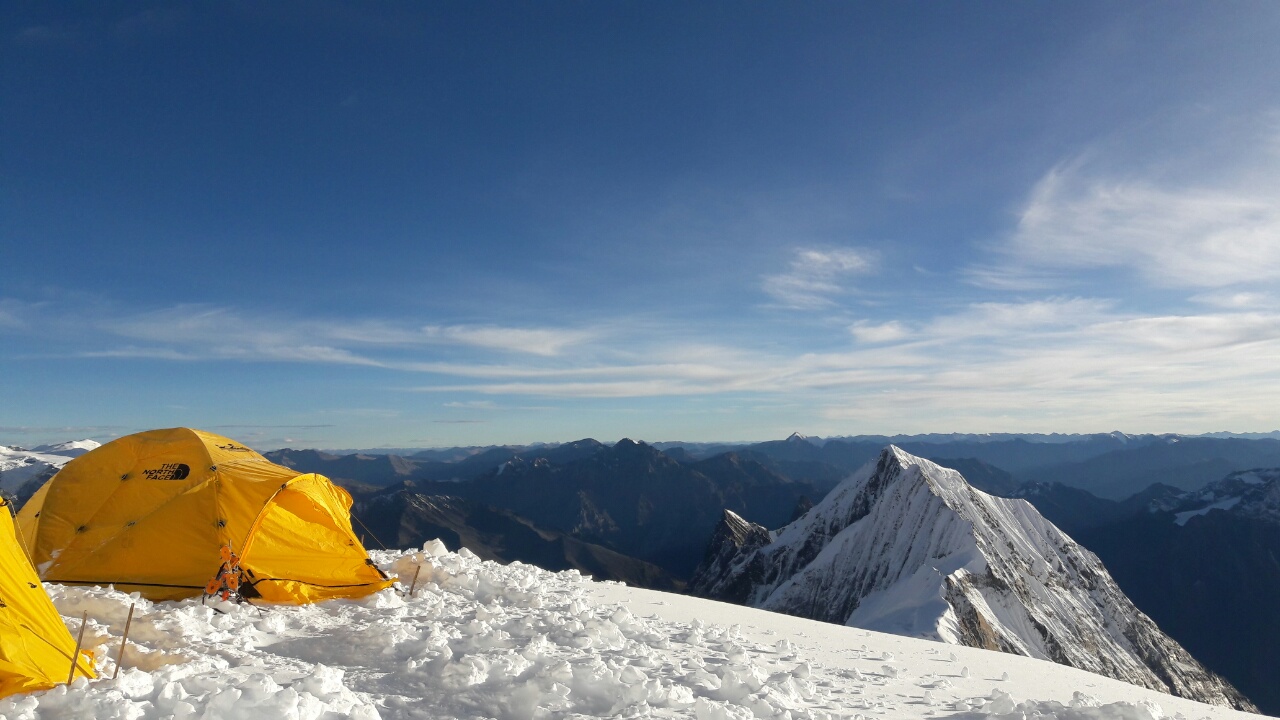
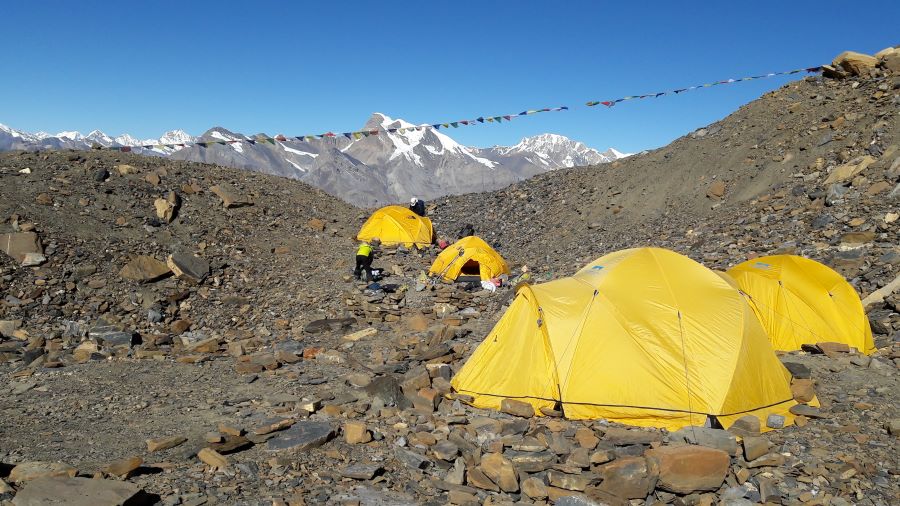
The most common route to Mt. Gyajikang’s summit is the North Face route, which offers both technical climbing challenges and stunning scenery. The expedition starts in Kathmandu, followed by a trek to the mountain’s base camp, located at around 4,900 meters. From there, the climb involves setting up multiple high-altitude camps and tackling steep ice and rock faces.
Stages of the Mt. Gyajikang Climb
-
Kathmandu to Base Camp: After arriving in Kathmandu, climbers fly to the town of Besisahar and begin the trek to the base camp, passing through beautiful valleys and remote villages.
-
Base Camp to Camp 1: The ascent from Base Camp to Camp 1 (around 5,500 meters) is a steady climb, but it sets the stage for the more technical sections higher up.
-
Camp 1 to Camp 2: The climb from Camp 1 to Camp 2 involves navigating steep ice slopes and requires advanced technical skills. This is one of the most challenging sections of the climb.
-
Camp 2 to the Summit: The final push to the summit is a test of both endurance and skill. The climb involves crossing crevasses and climbing mixed terrain of rock and ice, leading to the summit where climbers are rewarded with unparalleled views of the Himalayan landscape.
Best Time to Climb Mt. Gyajikang
The ideal seasons for climbing Mt. Gyajikang are during the pre-monsoon (April-May) and post-monsoon (September-November) periods. These seasons offer stable weather and clearer skies, reducing the risks of avalanches and severe storms. Pre-monsoon offers the benefit of warmer temperatures, while post-monsoon provides excellent visibility and drier conditions.
Physical and Mental Preparation for the Expedition
Climbing Mt. Gyajikang is a serious undertaking that requires rigorous physical preparation. Climbers should be in top physical shape, with a focus on endurance, strength training, and cardiovascular fitness. The mental challenge is equally important; spending weeks in the harsh conditions of high-altitude environments requires resilience, focus, and a positive mindset.
Technical Skills Required
Mt. Gyajikang is considered a technical climb, meaning that climbers must be proficient in both rock and ice climbing techniques. Experience with fixed ropes, crampons, and ice axes is essential. Prior experience on other high-altitude expeditions, particularly those involving technical climbing, is highly recommended.
Cost of the Mt. Gyajikang Expedition
The cost of a Mt. Gyajikang expedition can range from $9,000 to $15,000 depending on the expedition operator, the services provided, and the length of the trip. The price typically includes permits, guide fees, transportation, and base camp support. However, climbers should also budget for additional expenses such as personal equipment, insurance, and tips for guides and porters.
Permit Requirements and Regulations
Climbers need several permits to scale Mt. Gyajikang, including the Gyajikang climbing permit and the Manaslu Conservation Area Permit (MCAP). The Nepalese government closely regulates climbs in the region, and all expeditions must follow strict rules regarding waste management and environmental protection.
Choosing the Right Expedition Team
Selecting a reliable expedition company is crucial for your success and safety on Mt. Gyajikang. Look for companies that have extensive experience in high-altitude climbs and a proven track record of safety and success. The quality of the guide team is paramount; experienced guides can mean the difference between a successful summit and an emergency situation.
Safety Considerations
Safety is always a top priority when climbing in the Himalayas. Mt. Gyajikang presents dangers such as avalanches, crevasses, and altitude sickness. Climbers should ensure they have adequate acclimatization time, proper equipment, and the support of an experienced guide team to mitigate these risks.
Essential Gear for the Expedition
Packing the right gear is vital for the Mt. Gyajikang expedition. You’ll need specialized climbing equipment, including crampons, ice axes, harnesses, and helmets for the technical sections. Warm, high-altitude clothing, sleeping bags rated for extreme cold, and personal items like headlamps and first aid kits are also essential.
Packing Tips for the Expedition
When packing for the Mt. Gyajikang expedition, balance is key. You’ll need to be prepared for extreme cold and technical climbing, but also keep your pack light for efficiency. Multi-purpose gear, like down jackets that can double as camp wear, can help keep your load manageable.
Life After the Summit: Recovery and Reflection
After summiting Mt. Gyajikang, climbers need to focus on physical recovery. The body takes a toll from high-altitude exposure and strenuous activity, so rest, hydration, and nutrition are crucial after the descent. Many climbers find the experience deeply fulfilling, with the summit offering a sense of accomplishment that resonates long after the climb is over.
Testimonials from Climbers
Climbers who have completed the Mt. Gyajikang expedition often describe it as one of the most rewarding yet challenging experiences of their lives. The combination of physical challenge, technical climbing, and the beauty of the remote Manaslu region creates memories that last a lifetime.
Conclusion
Mt. Gyajikang offers an unparalleled adventure for climbers looking to tackle a technical 7,000-meter peak in a remote and beautiful setting. While the climb is challenging, the rewards are immense—from the pristine natural beauty to the satisfaction of standing on the summit. For climbers ready to test their limits, Mt. Gyajikang is an excellent choice.