Nepal is a dream destination for mountain lovers. Home to the Himalayas and eight of the world’s fourteen 8,000-meter peaks, Nepal also offers something very special for beginners: peak climbing. If you have trekking experience and want to take your first step into mountaineering, peak climbing in Nepal is the perfect starting point.
This complete beginner’s guide explains what peak climbing is, who it is for, the best peaks, preparation tips, and why Nepal is the world’s best place to begin.
What Is Peak Climbing in Nepal?

Peak climbing in Nepal refers to climbing trekking peaks that are officially classified by the Nepal Mountaineering Association (NMA). These peaks are generally between 5,000 and 6,500 meters and are ideal for climbers who want a real mountaineering experience without extreme technical difficulty.
Peak climbing combines:
-
High-altitude trekking
-
Basic mountaineering skills
-
Use of ropes, crampons, and ice axes
-
Spectacular Himalayan scenery
It is more challenging than trekking but less demanding than major expeditions like Everest or Manaslu.
Who Can Do Peak Climbing?
Peak climbing in Nepal is suitable for:
-
Trekkers with good fitness
-
Adventurers looking to move beyond trekking
-
Beginners interested in mountaineering
-
Climbers with basic alpine or hiking experience
You do not need previous technical climbing experience for most beginner peaks. Professional guides provide training during the climb, including how to use climbing equipment safely.
Best Beginner Peaks in Nepal
Nepal offers many beginner-friendly peaks. These are the most popular and recommended for first-time climbers:
Island Peak (6,189 m)
Island Peak is the most popular trekking peak in Nepal. Located in the Everest region, it offers stunning views of Everest, Lhotse, and Ama Dablam. It includes glacier travel and a short, steep summit section, making it perfect for beginners.
Mera Peak (6,476 m)
Mera Peak is considered one of the easiest peaks above 6,000 meters. It is ideal for beginners who want to experience extreme altitude with minimal technical difficulty. The reward is one of the best panoramic views in Nepal.
Lobuche East Peak (6,119 m)
Lobuche East is slightly more technical than Island and Mera Peak. It is suitable for beginners who want a bit more challenge and already have good trekking experience.
Pisang Peak (6,091 m)
Located in the Annapurna region, Pisang Peak offers a mix of trekking and technical climbing with breathtaking views of Annapurna II and IV.
Best Season for Peak Climbing in Nepal
The best time for peak climbing in Nepal is during:
Spring (March to May)
-
Stable weather
-
Clear mountain views
-
Popular climbing season
Autumn (September to November)
Winter is cold and challenging, while summer brings monsoon rains, making climbing difficult.
Physical Fitness & Preparation
Peak climbing requires good physical fitness. Preparation should include:
-
Regular hiking with a backpack
-
Cardiovascular training (running, cycling, stair climbing)
-
Strength training for legs and core
Mental preparation is equally important. High altitude, cold weather, and long summit days require patience and determination.
Equipment Needed for Peak Climbing
Most technical equipment is provided by trekking agencies, but climbers should bring personal gear such as:
-
Mountaineering boots
-
Down jacket and warm layers
-
Sleeping bag (rated for cold temperatures)
-
Sunglasses and sunscreen
-
Gloves and trekking poles
Your guide will teach you how to use ropes, harnesses, crampons, and ice axes during the climb.
Permits Required for Peak Climbing
Peak climbing in Nepal requires several permits, including:
A licensed trekking and mountaineering agency like Churen Himal Treks arranges all permits for you.
Safety and Altitude Acclimatization
Safety is the most important part of peak climbing. Proper acclimatization helps prevent altitude sickness. Most itineraries include:
Experienced guides monitor your health and adjust the pace if necessary.
Why Choose Nepal for Your First Peak Climb?
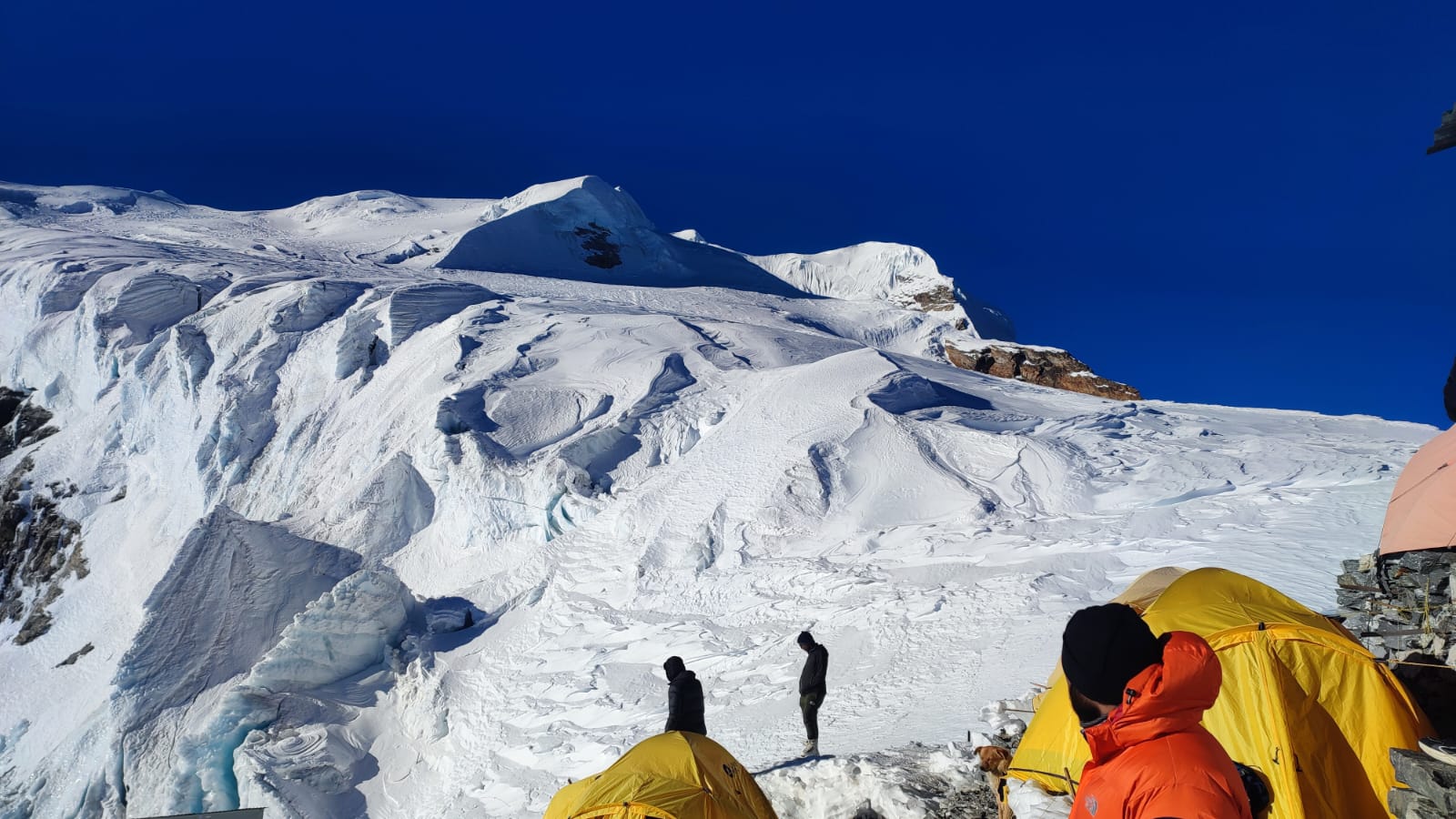
Nepal is the best country in the world for beginner mountaineers because:
-
Wide choice of beginner peaks
-
Highly experienced local guides and Sherpa
-
Well-developed trekking infrastructure
-
Affordable compared to other mountain regions
-
Stunning Himalayan scenery
Why Climb with a Local Agency in Nepal?
Choosing a local trekking and mountaineering agency ensures:
Churen Himal Treks and Expedition Pvt. Ltd. specializes in beginner-friendly peak climbing trips, offering personalized service, experienced guides, and a strong focus on safety.
Final Thoughts
Peak climbing in Nepal is the perfect gateway into the world of mountaineering. With the right preparation, a professional guide, and a positive mindset, beginners can successfully reach Himalayan summits and experience the thrill of high-altitude climbing.
If you are ready to take the next step beyond trekking, peak climbing in Nepal is an unforgettable adventure that will stay with you for a lifetime.