Nepal isn’t just another travel destination—it’s the ultimate playground for adventurers. Tucked between the giants of India and China, this Himalayan kingdom is home to eight of the world’s 14 tallest peaks, including the legendary Mt. Everest. But it's not just about the heights—it's the diversity in every step that draws trekkers from every corner of the globe. Think lush forests humming with birdlife, ice-glazed glaciers, sacred monasteries clinging to cliff sides, and villages where time stands still.
Trekking in Nepal means more than just putting one foot in front of the other. It's an immersion. You're not walking through landscapes—you’re walking into them, becoming part of a cultural, spiritual, and natural journey that’s both humbling and exhilarating. Whether you’re into hardcore expeditions or easy scenic walks, Nepal’s got a trail with your name on it.
Overview of the Featured Treks
In this guide, we dive deep into four standout trekking experiences:
-
Langtang Valley Trek – A scenic and culturally rich journey just north of Kathmandu.
-
Himlung Himal Expedition – A high-altitude climb in the remote Nar-Phu Valley.
-
Mt. Manaslu Expedition – A wild adventure to the world’s 8th highest peak.
-
Ghorepani Poon Hill Trek – A short and sweet hike perfect for sunrise chasers and beginners.
Each of these routes offers something special—from towering Himalayan views to spiritual connections and untamed wilderness. Ready to lace up your boots? Let’s start with Langtang.
Trekking in Nepal: Discover the Heart of the Himalayas
The Enchanting Langtang Valley Trek
Route Overview and Natural Wonders
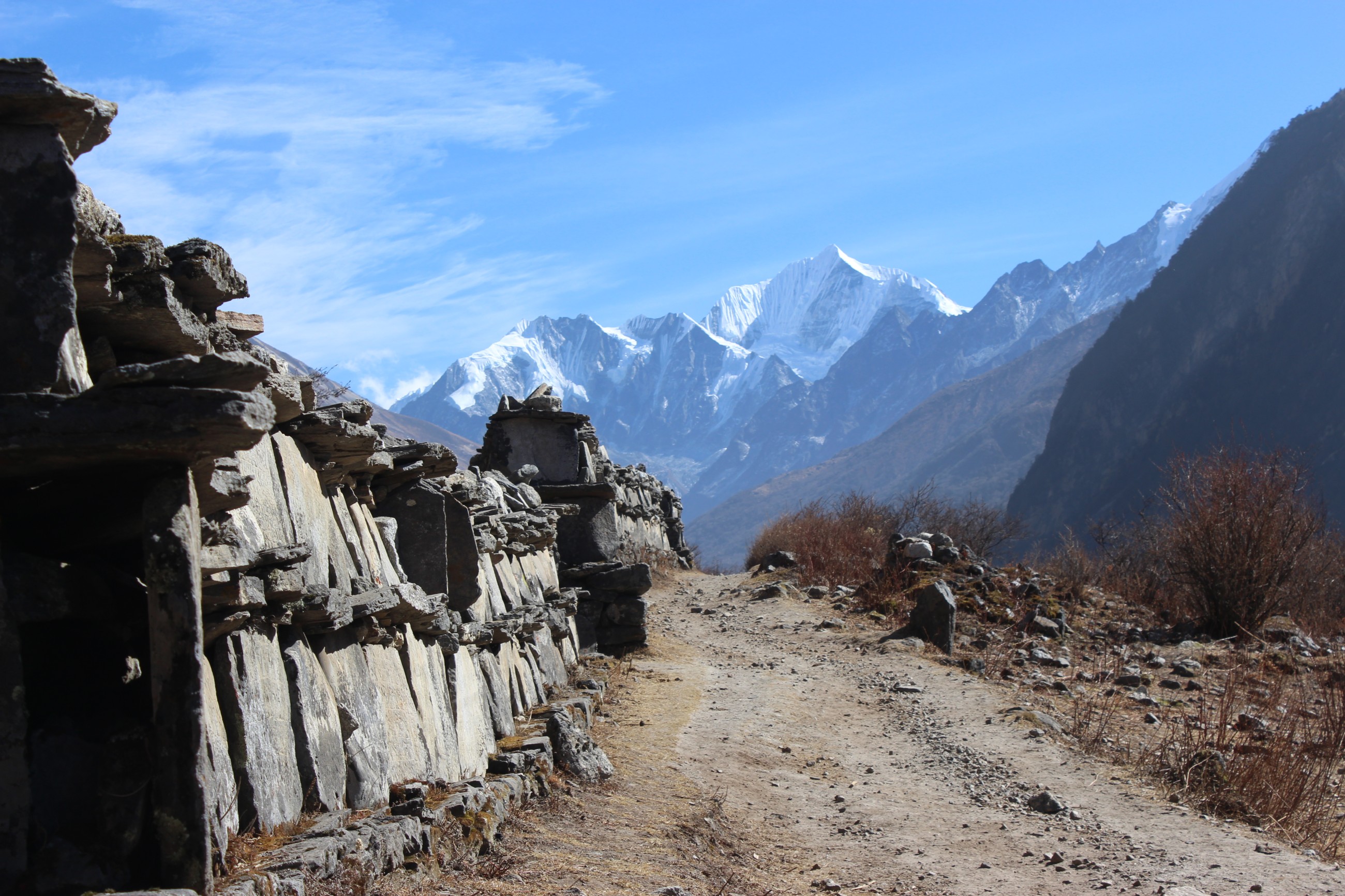
Langtang Valley Trek is like a perfectly blended Himalayan cocktail—equal parts scenic, spiritual, and accessible. Just 80 km from Kathmandu, this 10-day trek gives you the magic of the Himalayas without the logistical chaos of longer, high-altitude expeditions. The journey begins in Syabrubesi, where a bumpy but breathtaking drive lands you at the trailhead. From here, you follow the Langtang River, crossing suspension bridges and meandering through pine forests and cascading waterfalls.
As you ascend, the landscape morphs dramatically. Rhododendron forests give way to alpine pastures, and eventually, the glacier-wrapped peaks of the Langtang range dominate the skyline. The star of the show? Kyanjin Gompa (3,870m), a tranquil village nestled beneath Langtang Lirung (7,227m). For the ambitious, a side trip to Kyanjin Ri (4,773m) offers an epic panoramic reward.
This trek is a feast for the senses—from the chirping of Himalayan monals to the icy wind whispering across prayer flags. It's no exaggeration to say Langtang is a hidden gem, perfect for those craving solitude with a side of soul-stirring beauty.
Cultural Immersion with the Tamang People
But Langtang isn’t just about landscapes—it’s about lives lived among the mountains. The Tamang people, who inhabit the valley, are descendants of Tibetan migrants. Their Buddhist traditions, colorful attire, and warm hospitality add a rich cultural layer to the trek. You’ll pass through villages like Lama Hotel, Langtang Village, and Mundu, each offering a unique look into rural Himalayan life.
Monasteries, mani walls, and spinning prayer wheels line the trail, offering spiritual pause points. At Kyanjin Gompa, don’t miss visiting the local cheese factory (yes, at nearly 4,000 meters!) and having a cup of yak milk tea with the locals. These aren't just photo ops—they're real, grounding interactions that make the trek unforgettable.
Difficulty Level and Ideal Trekking Seasons
Langtang Valley is classified as a moderate trek—challenging enough to be exciting, but accessible for most with a decent fitness level. There are no technical sections, and the altitude is manageable with proper pacing. That said, don’t underestimate the climb—daily gains can be significant, and altitude sickness is still a possibility.
The best times to hit the trail? Spring (March-May) and Autumn (September-November). These seasons offer crystal-clear skies, vibrant rhododendron blooms, and stable weather. Monsoon and winter bring their own risks—slippery trails, landslides, and bone-chilling cold.
Still with us? Next up, we ascend even higher. Let’s explore Himlung Himal.
Himlung Himal Expedition: A High-Altitude Adventure

Remote Nar-Phu Valley and Climbing Route
If Langtang is the serene appetizer, then Himlung Himal is a bold main course. Nestled in Nepal’s restricted Nar-Phu Valley, near the Tibetan border, this expedition is a dream for experienced mountaineers craving off-the-grid exploration. Standing tall at 7,126 meters, Himlung Himal may be considered one of the easier 7,000m peaks, but make no mistake—this climb demands grit, technique, and altitude readiness.
The journey begins with a trek through ancient Tibetan-influenced villages that time forgot. From Koto, the trail snakes through narrow gorges, cascading waterfalls, and alpine meadows, eventually reaching Phu Gaon—a mesmerizing medieval village that feels plucked straight from a fantasy film. The cultural backdrop here is vivid: prayer flags flutter in icy winds, and Tibetan Buddhism is a way of life, not a curiosity.
Base Camp is typically set at 4,900m, followed by successive high camps at 5,450m and 6,000m. The summit push involves navigating steep snow slopes, icy ridges, and crevasses. Fixed ropes are essential here, with most teams relying on experienced Sherpas for safety and route setting. If you're lucky with the weather, the summit rewards climbers with surreal vistas of Annapurna, Manaslu, and the endless whitewash of the Tibetan plateau.
Technical Challenges and Physical Demands
Let’s be clear—Himlung isn’t a walk in the woods. It's a full-scale expedition. Climbers need to be comfortable using crampons, ice axes, ascenders, and fixed ropes. The altitude alone is a monster to battle, and while it may lack the extreme technicality of Everest or K2, Himlung’s unpredictability lies in its harsh winds, deep snow, and frigid temperatures.
What makes Himlung unique is that it’s often less crowded than other peaks of its caliber. This means a more intimate connection with the mountain, but also fewer resources in case of emergencies. Strong cardiovascular fitness, prior high-altitude experience (preferably above 6,000m), and mental resilience are absolute musts.
Acclimatization is not just important—it’s life-saving. Most itineraries build in 3–4 rest days to prevent Acute Mountain Sickness (AMS), and you’ll need to drink liters of water and monitor oxygen saturation levels daily.
Best Time for Summit and Preparations Required
For those planning to take on Himlung, spring (April to May) and autumn (late September to October) offer the most stable climbing conditions. During these windows, the weather is more predictable, skies are generally clear, and snow conditions are manageable.
Preparation begins months in advance. Here’s what to lock down before heading out:
-
Training: At least 4–6 months of cardio, weight training, and endurance exercises.
-
Gear: High-altitude boots, down suit, ice tools, mountaineering harness, helmet, and avalanche safety equipment.
-
Permits: You’ll need a restricted area permit for Nar-Phu, plus a peak climbing permit issued by the Nepal Mountaineering Association.
-
Guides and Logistics: A certified expedition operator like Churen Himal Trek is essential—they manage everything from route planning and porter support to base camp logistics and summit safety.
Himlung Himal isn’t for everyone. But for those who dare, it delivers a high-altitude symphony of snow, solitude, and soul-stirring vistas.
Conquering the Majestic Mt. Manaslu
Trekking Through the Manaslu Conservation Area
If Everest is the celebrity and Annapurna the sweetheart, then Mt. Manaslu (8,163m) is Nepal’s silent titan. The 8th highest mountain in the world, Manaslu offers an expedition that combines raw Himalayan power with a wilderness feel that’s quickly vanishing in more popular trekking areas.
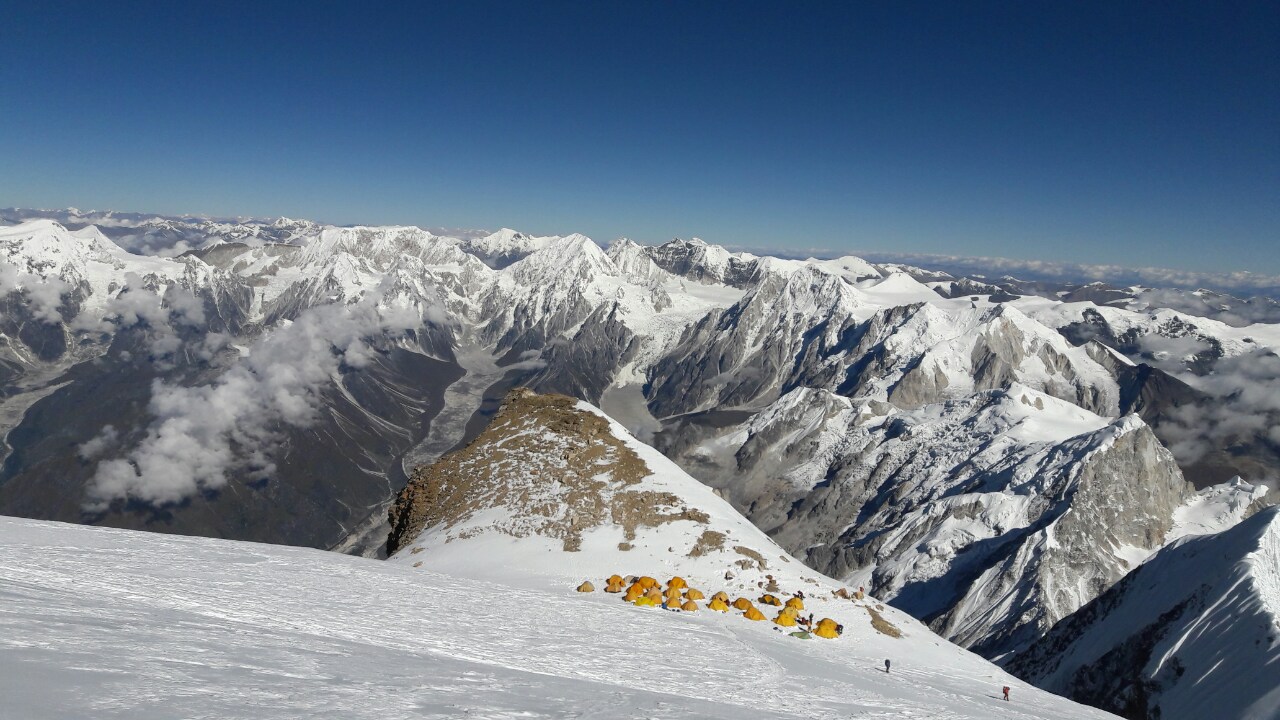
The journey starts in Soti Khola and meanders through the Manaslu Conservation Area, a protected zone brimming with biodiversity. You’ll hike through lush jungle, suspension bridges, roaring rivers, and charming stone villages like Jagat, Namrung, and Samagaon. The progression is perfect for acclimatization, and by the time you reach Base Camp at 4,800m, your body has already tasted the heights.
What’s unique here? The blend of Tibetan Buddhist culture, pristine nature, and minimal crowds. Unlike Everest, which buzzes with commercialism, Manaslu feels raw—wild in the best way. You pass monasteries older than your country, prayer wheels taller than your tent, and locals who still barter yaks for goods.
Climbing Strategy and Base Camp Setup
Make no mistake: Manaslu is a technical beast. The climb typically involves setting up three high camps:
-
Camp I – 5,500m
-
Camp II – 6,800m
-
Camp III – 7,400m
The route demands glacier travel, steep snow climbs, crevasse negotiation, and ice-wall ascents. Fixed ropes and ladders are standard, and climbers often use oxygen beyond Camp III, though it's not mandatory. The final summit push usually starts late at night, allowing a sunrise arrival at the peak, where a 360-degree panorama of the Himalayas awaits.
But don’t get romantic too quickly—the climb can turn deadly fast. Avalanches, whiteouts, and sudden weather shifts make Manaslu a formidable challenge. That’s why acclimatization, safety planning, and weather window analysis are absolutely non-negotiable.
Cultural Depth and Local Monasteries
Beyond the mountain, Manaslu offers a spiritual journey. The region is deeply Tibetan in culture, and nowhere is this more evident than in Samagaon, the cultural heart of the area. This charming village is dotted with ancient Gompas (monasteries), mani walls, and yak herds. Don’t miss a visit to Pungyen Monastery, perched on a ridge with jaw-dropping glacier views.
Locals here are friendly but reserved—show respect, ask questions gently, and take time to understand their deep-rooted Buddhist beliefs. Every spin of a prayer wheel and every flutter of a flag adds soul to your climb.
Ghorepani Poon Hill: Nepal’s Most Accessible Trek
Short Itinerary with Spectacular Sunrise Views
Don’t have weeks to spare or a death wish for altitude? No worries—Ghorepani Poon Hill Trek is here to deliver max scenery with minimum suffering. This 4–5 day trek in the Annapurna region is beginner-friendly, family-approved, and ridiculously photogenic.
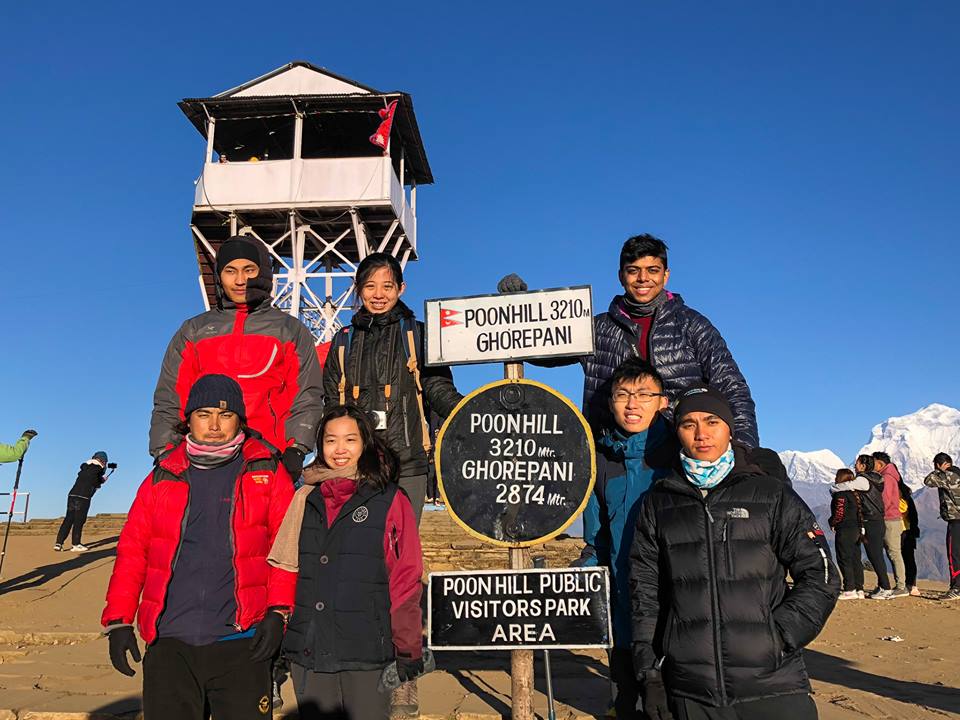
Starting from Nayapul, the trail winds through rice terraces, blooming rhododendron forests, and charming hill villages like Tikhedhunga, Ulleri, and Ghorepani. The crown jewel is Poon Hill (3,210m)—a viewpoint that offers perhaps the most famous sunrise in Nepal.
As the first light hits peaks like Dhaulagiri, Annapurna South, and Machapuchare (Fishtail), the mountains glow orange, pink, and gold. It’s one of those “this-is-why-I-came” moments that makes the early wake-up and chilly air worth every second.
Gurung and Magar Hospitality
Culturally, this trek is a delight. The trail winds through Gurung and Magar communities, known for their fierce bravery (many are Gurkha soldiers) and gentle hospitality. You’ll stay in teahouses that feel more like cozy lodges than rugged shelters. Think hot dhal bhat meals, warm fires, and cups of masala tea served with smiles.
The region is dotted with community-run schools, heritage sites, and colorful festivals, especially during Tihar and Dashain. Interacting with locals here is easy—they’re used to tourists but still retain a genuine warmth that makes you feel like more than just a passerby.
Fitness Requirements and Ideal Time to Go
This is a low-altitude trek, making it suitable for children, seniors, and even those with little trekking experience. The hardest section? The stone staircase of Ulleri—over 3,200 steps. But take it slow, and you’ll be rewarded with panoramic views and an immense sense of achievement.
The best time to go is spring (March to May) for wildflower blooms, or autumn (October to November) for clear skies and mild temperatures. Winter is also doable, though trails can be icy. Summer? Best avoided due to leeches and rain.
Comparing the Four Treks: Which One is for You?
Difficulty Level, Duration, and Cultural Elements
Choosing between Langtang, Himlung, Manaslu, and Poon Hill can feel like choosing your favorite flavor of ice cream—they’re all incredible in their own way. But to help you pick the right trek for your goals, here’s a side-by-side comparison that breaks down key factors.
| Trek Name |
Duration |
Max Altitude |
Difficulty |
Cultural Experience |
Best For |
| Langtang Valley |
10 Days |
4,773m (Kyanjin Ri) |
Moderate |
Tamang Buddhist Culture |
First-time trekkers, nature lovers |
| Himlung Himal |
25–30 Days |
7,126m |
Advanced (Expedition) |
Tibetan Culture, Remote Nar-Phu Villages |
Mountaineers with experience |
| Mt. Manaslu |
25+ Days |
8,163m |
Very Challenging |
Tibetan Buddhist Heritage |
Veteran climbers, serious trekkers |
| Ghorepani Poon Hill |
4–5 Days |
3,210m |
Easy |
Gurung & Magar Culture |
Families, beginners, and photographers |
-
Langtang Valley offers a balanced mix of scenery, culture, and accessibility. Great for those wanting the Himalayan experience without the exhaustion.
-
Himlung Himal is an adventure for those chasing the summit, comfortable with altitude and cold.
-
Mt. Manaslu pushes the limits—both physically and mentally, making it ideal for seasoned climbers seeking less crowded peaks.
-
Poon Hill is for quick getaways, stunning views, and warm teahouse hospitality with minimal risk.
In short, your best trek depends on your fitness level, time constraints, and what kind of adventure you’re looking for—spiritual, scenic, or summit.
Preparing for Your Trek: What You Need to Know
Physical Training and Acclimatization Tips
No matter which trail you choose, preparation is the unsung hero of every successful trek. Even “easy” treks like Poon Hill involve long uphill stretches and unpredictable weather. So, start training at least 6–8 weeks in advance.
Here’s a basic physical prep plan:
-
Cardio (4x/week): Running, cycling, or swimming to build stamina.
-
Strength Training (2–3x/week): Focus on legs, back, and core.
-
Hiking Practice: Weekend treks with a weighted backpack.
-
Stretching & Recovery: Flexibility prevents injuries at high altitudes.
For high-altitude treks, acclimatization isn’t optional—it’s survival. Follow the golden rule: “Climb high, sleep low.” Give your body time to adjust to oxygen levels. Rest days, hydration (3–4 liters/day), and proper nutrition are essential.
Symptoms like headaches, nausea, and insomnia might signal Acute Mountain Sickness (AMS). Don’t push through it—descend if symptoms worsen.
Gear Checklist for High and Low Altitude Treks
Your packing list will vary depending on the trek’s altitude and season. Here’s a breakdown:
Essential Gear for All Treks:
-
Waterproof trekking boots
-
Thermal base layers
-
Down jacket (minimum -10°C rating)
-
Fleece jacket or softshell
-
Trekking poles
-
3–4 pairs of moisture-wicking socks
-
Daypack with rain cover
-
Water purification tablets or filters
-
Headlamp with extra batteries
-
Sunglasses and sunscreen
High Altitude Extras (Himlung/Manaslu):
-
Crampons and an ice axe
-
Expedition down suit
-
Mountaineering harness
-
Helmet and ascenders
-
Sleeping bag (-20°C to -30°C)
-
Oxygen cylinders (optional)
-
An altimeter watch and a pulse oximeter
Optional but Helpful:
A reputable trekking agency like Churen Himal Trek usually provides group gear, including tents, kitchen equipment, and ropes for expeditions. But personal comfort and safety rely heavily on your own packing discipline.
The Importance of a Local Trekking Agency
Benefits of Hiring Local Guides and Porters
You can trek solo in Nepal, sure—but should you? Not really. A local trekking agency does more than just guide you—they become your lifeline in unfamiliar terrain. From permit processing to translating in remote villages, their expertise adds convenience and cultural richness to your journey.
Here’s why going local matters:
-
Safety: Local guides know the terrain, altitude risks, and escape routes.
-
Logistics: They handle transport, accommodation, meals, and gear.
-
Cultural Insight: Want to learn about a monastery ritual or taste authentic yak cheese? They’ll hook you up.
-
Language Barrier: Tamang, Magar, Tibetan—your guide can speak it or understand it.
-
Emergency Support: In case of injury or illness, they know how to respond and arrange evacuations if needed.
Porters also lighten your load—literally. Most trekkers overpack, and carrying 15+ kg uphill isn’t a fun way to “experience nature.” Hiring a porter ensures you can actually enjoy the trek rather than survive it.
Sustainable Tourism and Local Support
By hiring a local agency, you also support sustainable tourism. Your money stays in the community—feeding families, funding schools, and preserving trails. It’s tourism that empowers rather than exploits.
Agencies like Churen Himal Trek and Expedition Pvt. Ltd provides jobs, training, and fair wages. Plus, they often contribute to local development projects. When you trek with them, you’re not just a visitor—you’re a contributor to the Himalayan ecosystem.
Permits, Costs, and Regulations
Special Permits Required for Himlung & Manaslu
Trekking in Nepal often means navigating a web of permits, especially in restricted regions like Nar-Phu and Manaslu. Here’s a simple breakdown:
-
Langtang Valley: TIMS card + Langtang National Park Permit
-
Poon Hill: TIMS card + Annapurna Conservation Area Permit (ACAP)
-
Himlung Himal: Restricted Area Permit + Peak Climbing Permit from NMA
-
Mt. Manaslu: Restricted Area Permit + MCAP (Manaslu Conservation) + ACAP
Note: Restricted area permits must be issued through a registered local agency, and solo trekking is prohibited in these areas.
Cost Breakdown for Each Trek
Here's an approximate per-person cost (USD):
| Trek |
Permit Fees |
Guide/Porter |
Accommodation & Meals |
Total (Excl. Flights) |
| Langtang |
$50–70 |
$25/day |
$20–30/day |
~$700–1000 |
| Poon Hill |
$50–60 |
$25/day |
$20–25/day |
~$400–700 |
| Himlung |
$500+ |
$30–40/day |
$30–40/day |
$4000–6000 |
| Manaslu |
$200–300 |
$30–40/day |
$25–35/day |
$3000–4500 |
Prices vary based on group size, services included, and season. A local agency will bundle permits, transport, meals, and guides into one streamlined package.
Cultural and Natural Diversity in Nepal’s Trails
From Rhododendron Forests to Glacial Landscapes
Nepal is often called the “Roof of the World,” but it’s so much more than towering peaks. One of the most compelling reasons to trek here is the incredible diversity of its landscapes and cultures—a gift you experience vividly with every step.
Start in lush subtropical forests—the kind you find on the lower stretches of the Ghorepani or Langtang treks—teeming with monkeys, colorful birds, and waterfalls. Then climb into temperate oak and rhododendron woods, where red, pink, and white blossoms set the trails on fire during spring. By the time you reach higher elevations like Kyanjin Ri or Manaslu Base Camp, you’ll be walking through alpine tundra, past glacial moraines, frozen rivers, and barren rock faces.
But the diversity isn’t just natural—it’s deeply cultural. Every trek in Nepal is a passport into a different world:
-
Langtang introduces you to the Tamang community, whose spiritual practices and lifestyle closely mirror Tibetan Buddhism.
-
Himlung and Manaslu bring you deep into Tibetan-influenced zones, where monks chant in ancient monasteries and chortens guard mountain passes.
-
Poon Hill connects you with Gurung and Magar traditions, known for their music, dance, and fierce Gurkha heritage.
It’s like walking through a live-action museum of Himalayan life, where ancient rituals and modern smiles coexist beautifully.
Trekking Challenges: Staying Safe in the Himalayas
Altitude Sickness and How to Prevent It
No matter how fit or well-prepared you are, altitude sickness is the invisible enemy on Himalayan trails. It can strike anyone—even seasoned climbers—if you ascend too fast or ignore early symptoms.
Common signs of Acute Mountain Sickness (AMS) include:
-
Headaches
-
Nausea or vomiting
-
Dizziness
-
Loss of appetite
-
Insomnia
To avoid AMS:
-
Follow a gradual ascent – Don’t gain more than 500 meters in elevation per day once above 3,000m.
-
Hydrate generously – Drink 3–4 liters of water daily.
-
Avoid alcohol and smoking – These slow acclimatization.
-
Eat carbs – Your body needs the extra fuel at altitude.
-
Take Diamox – But only if prescribed and under medical advice.
For serious symptoms like confusion, breathlessness at rest, or coordination loss, descend immediately. High-Altitude Pulmonary Edema (HAPE) and Cerebral Edema (HACE) are fatal if untreated.
Weather Patterns and Risks to Consider
Weather in the Himalayas can flip in an instant. Even in peak season, you can face everything from snowstorms and landslides to blistering sun or cold so intense your water bottle freezes solid.
Here’s what to watch out for:
-
Spring (March–May): Ideal for flowers and stable weather, but snow lingers at higher elevations.
-
Monsoon (June–August): Trails become slippery, rivers swell, and leeches make their debut. Best avoided.
-
Autumn (September–November): The golden season—clear skies, mild days, crisp nights.
-
Winter (December–February): Dry and clear but brutally cold. Some high passes may be closed.
Always check the forecast before starting your trek and consult your guide daily for weather updates. Lightning storms, whiteouts, and wind chills can all be life-threatening above 4,000m.
Responsible Trekking: Leave No Trace Principles
Environmental Awareness and Respect for Culture
Trekking in Nepal isn’t just about taking—it’s about giving back to the land and its people. With more than 1 million trekkers visiting Nepal annually, preserving its fragile ecosystems and cultures has never been more important.
Follow these Leave No Trace principles:
-
Pack it in, pack it out – Carry all trash, including plastic bottles, wrappers, and batteries.
-
Use reusable water bottles – Refill at lodges with boiled or purified water.
-
Stick to established trails – Avoid trampling new paths through vegetation.
-
Respect wildlife – Don’t feed animals or disturb nesting sites.
-
Support eco-lodges and responsible agencies – These businesses reinvest in local conservation.
-
Learn local customs – Dress modestly, remove shoes in homes and temples, and always ask before taking photos.
By being a respectful trekker, you become a guardian of the Himalayas, ensuring that these trails remain pristine and profound for generations to come.
Booking Your Trek with Churen Himal Trek
Step-by-Step Booking Process
Booking your Nepal trek is easy and stress-free with a trusted agency like Churen Himal Trek and Expedition Pvt. Ltd. Here’s how to get started:
-
Reach Out: Contact them via email at himalchuren@gmail.com or call/WhatsApp at +977 9860204721.
-
Discuss Preferences: Share your desired trek, dates, group size, and any specific needs.
-
Receive a Custom Itinerary: They’ll send a detailed plan including route, cost, inclusions, and preparation tips.
-
Confirm Your Booking: Secure your spot with a deposit and prepare your documents.
-
Pre-Trek Briefing: Once in Nepal, you’ll attend a session covering packing, acclimatization, and safety.
What’s Included in Your Trek Package
Churen Himal Trek offers comprehensive packages that typically include:
-
Professional guides and porters
-
All required permits and documentation
-
Lodging and meals during the trek
-
Ground transportation to and from trailheads
-
Emergency support and logistics
-
Optional gear rental and airport pickups
You’ll also receive pre-departure guidance, fitness advice, and 24/7 support during your trip.
Whether you’re climbing to Himlung’s icy summit or capturing Poon Hill’s golden sunrise, their team ensures your journey is safe, meaningful, and unforgettable.
Conclusion: The Transformative Power of Trekking in Nepal
Trekking in Nepal isn’t just about reaching a destination—it’s about the transformation that happens along the way. From the tranquil trails of Langtang to the icy ascents of Himlung and Manaslu, to the soul-stirring sunrises of Poon Hill, each step in the Himalayas reshapes your sense of what’s possible.
You’ll challenge your body, connect with ancient cultures, and witness some of the most awe-inspiring landscapes on Earth. Whether you're a beginner or a veteran climber, Nepal has a trail that speaks directly to your spirit.
So don’t just dream about the mountains. Pack your bags, book your trek, and step into the story you’ll tell for a lifetime.
FAQs
1. How long does the Langtang Valley Trek take?
The Langtang Valley trek typically takes around 10 days, including travel from Kathmandu.
2. Is prior experience needed for Himlung Himal?
Yes. Himlung is a high-altitude expedition requiring experience with ice climbing, ropework, and previous ascents above 6,000m.
3. How hard is Mt. Manaslu compared to Everest?
Manaslu is technically less commercial but still very challenging. It has fewer crowds than Everest but demands strong climbing skills and endurance.
4. Can children do the Poon Hill trek?
Yes, Poon Hill is ideal for families and beginners, including children above age 7 with reasonable fitness.
5. Do I need insurance for trekking in Nepal?
Absolutely. Trekking and evacuation insurance is mandatory, especially for high-altitude or remote-area treks.