Mt.Pumari (7,161m) Expedition

Mt.Pumari (7,161m) Expedition

Mt.Pumari (7,161m) Expedition
Starting From

Kathmandu

Ending at

Kathmandu

Duration

35 Days

Accommodation

Hotel , Tea House & Tent

Trip Grade

Difficult

Max. Altitude

7,161m

Meal Plan

Break-fast,Lunch & Diner

Group size

02-15 Pax

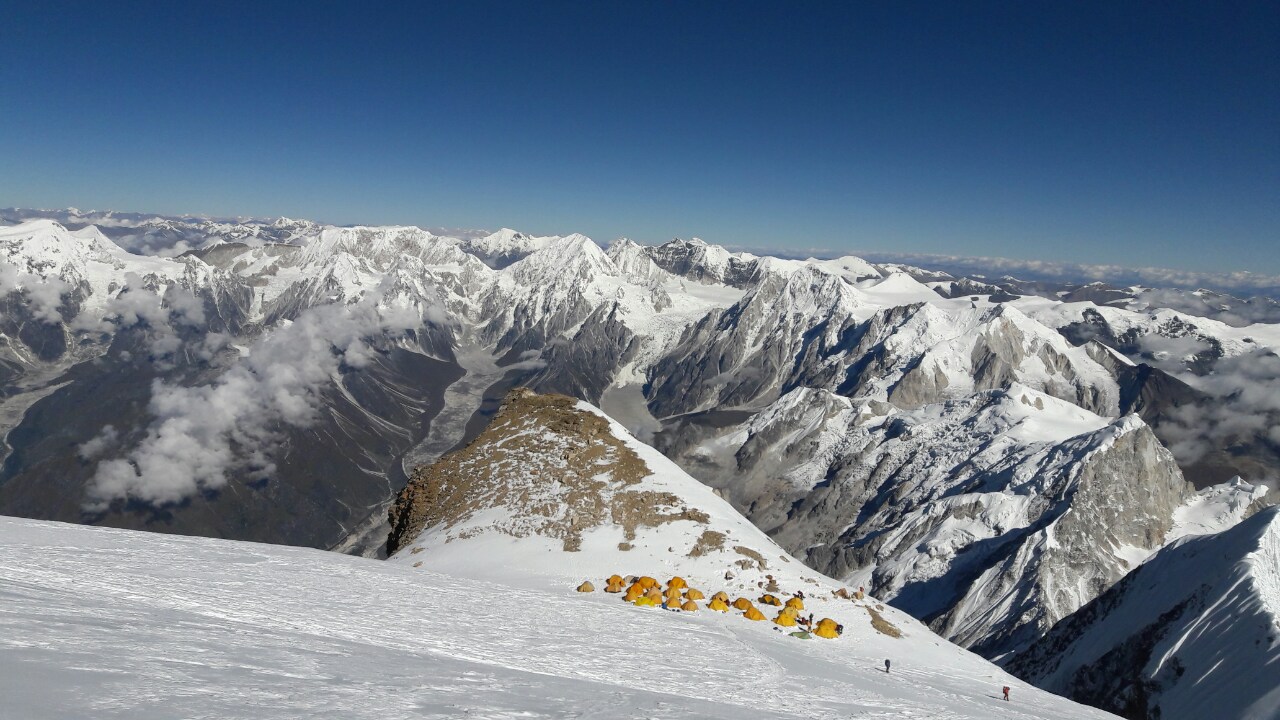
The Mt. Pumori Expedition is an exciting journey to one of the most iconic peaks in the Everest region. Standing at 7,161 meters (23,494 feet), Mt. Pumori is often referred to as the “Daughter of Everest” for its close proximity to the world’s highest mountain. Known for its pyramidal shape, dramatic ridges, and thrilling technical challenges, this climb attracts experienced mountaineers seeking to test their skills on steep ice, rock walls, and high-altitude terrain.

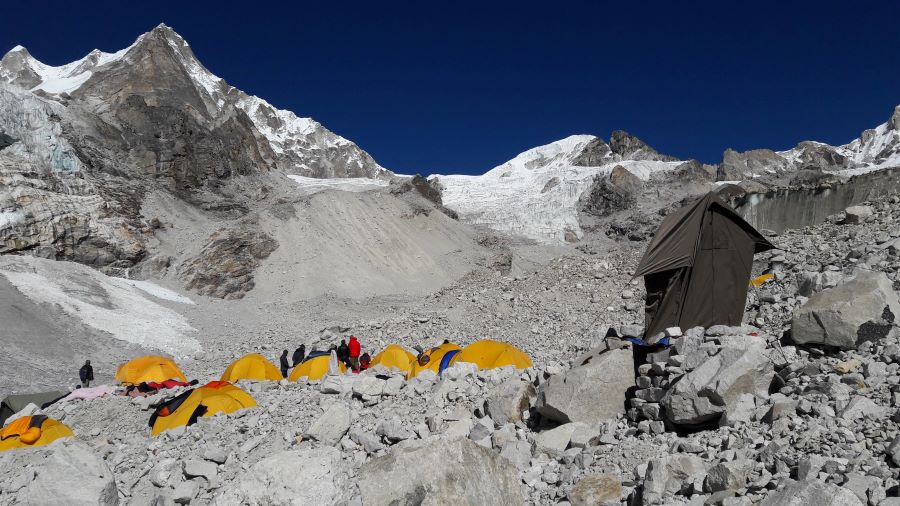
The expedition begins with a classic trek through the Khumbu region, where you’ll pass iconic villages like Namche Bazaar and Tengboche before reaching Pumori Base Camp. With breathtaking views of Everest, Lhotse, and Nuptse, along with the serene beauty of the Everest region, this adventure combines cultural immersion and a rewarding mountaineering challenge.

Trip Highlights

  • Summit Mt. Pumori: Conquer this 7,161-meter peak for stunning views of Everest, Khumbu Icefall, and the Himalayan range.
  • Technical Challenges: Experience steep rock faces, ice walls, and ridges that provide a thrilling climbing adventure for seasoned mountaineers.
  • Cultural Immersion: Trek through traditional Sherpa villages, visit ancient monasteries, and experience warm Himalayan hospitality.
  • Breathtaking Scenery: Marvel at panoramic vistas of towering peaks, glaciers, and alpine valleys.
  • Route Exploration: Follow an exciting ascent route that includes multiple high camps, glacier traverses, and advanced rope work.
  • Professional Guidance: Climb under the supervision of experienced guides and support staff, ensuring a safe and successful expedition.

The Mt. Pumori Expedition promises an unforgettable experience, blending high-altitude adventure, cultural richness, and the beauty of the Everest region. Step into the heart of the Himalayas and conquer this iconic peak!

01

Arrive in Kathmandu

Upon your arrival at Kathmandu airport, one of our representatives will greet you and will transfer you to the hotel. Welcome Evening dinner at authentic Nepalese restaurant with cultural performance. Airport pickup by private Car, Van or Bus (According to group size) Tribhuvan International Airport (KTM), Kathmandu, Bagmati, Nepal.

02

Expedition briefing at Department of Tourism

A formal expedition briefing takes place at Nepal’s Department of Tourism. This crucial session ensures you have the necessary climbing permits, discusses regulations, and provides an opportunity to meet your guides and support team. It’s also when logistical details such as routes, schedules, and safety protocols are reviewed. Meals: Breakfast Accommodation: Night in the hotel

03

By flight Katmandou - Lukla (35min-2800m) & Trek to Phakding (4h-2600m)

04

Phakding - Namche Bazaar (6h-3440m)

05

Acclimatization

06

Namche - Tengboche Monastery (6h-3867m)

07

Tengboche - Pheriche (6h-4243m)

08

Pheriche - Lobuche (6h-4930m)

09

Lobuche - base camp (6h-5500m)

10-27

Aascention of Pumari (7,161m)

28

Base Camp - Dingboche (6h-4530m)

29

Dingboche - Namche (7h)

30

Namche - Lukla (6h)

31

Lukla - Katmandou by flight

32

Debriefing at Tourism Industry Division

A debriefing session marks the official conclusion of the expedition. Use the rest of the day to explore Kathmandu’s hidden gems or shop for souvenirs in Thamel or simply unwind before heading home. Meals: Breakfast Accommodation: Night in the Hotel

33

Final Departure

Bid farewell to Nepal, enriched by the incredible memories of your Baruntse Himal expedition. Ensure you leave with ample time for goodbyes and future plans to return for more adventures! Our representative transfers you to the Kathmandu airport to catch your returning flight back home. Thank you for Travelling with Churen Himal Treks. Airport drop by private Car, Van or Bus (According to group size) Tribhuvan International Airport (KTM), Kathmandu, Bagmati, Nepal. Meals: Breakfast


The cost includes


  • AIRPORT PICKUP AND DROP : Airport - Hotel transfers – Airport (Pick Up and Drop), by private vehicle.
  • HOTEL IN KATHMANDU:  4-night hotel in Kathmandu (4-star category) - single room on bed and breakfast plan.
  • WELCOME DINNER : One Welcome Dinner in a tourist standard restaurant in Kathmandu with Office Staff.
  • PERMITS: Expedition Royalty and a permit fee from the Nepal Government to climb Mt.Pumari, Sagarmatha National Park, and Pasang Lhamu Rural Municipality entry permit and fee.
  • LIAISON OFFICER: 1 Government Liaison officer with full equipment, salary, and accommodation
  • GARBAGE MANAGEMENT: Stool Shipment Transfer & Garbage Deposit fees.
  • INSURANCE : Medical & Emergency rescue Insurance for all involved Nepalese staff during the trek and expedition.
  • MAP : Trekking and climbing map.
  • DUFFLE BAG : One Duffle Bag.
  • MEMBER TRANSPORTATION : (Domestic Flight) Fly from Kathmandu – to Lukla and while returning Lukla - to Kathmandu, as per itinerary.
  • EXPEDITION STUFFS TRANSPORTATION : All necessary expedition equipment transportation for all Members and Staff from Kathmandu to Lukla (by air cargo) to Base camp (by Porters / Yak) – While returning: Base camp to Lukla (by porters / Yak) and Lukla to Kathmandu (by air cargo). Based on the condition expedition staff may transfer by land (KTM-Phaplu) or Heli (KTM-Lukla).
  • MEMBER LUGGAGE : Up to 40 Kg per member for personal baggage during the trek to be carried by porters or Yaks
  • FOOD AND LODGING : 3 meals a day (breakfast, lunch, and dinner; including tea and coffee) along with accessible accommodation at Hotel/Lodge during the trek and at the Basecamp. Hygienic and fresh green vegetables, fresh meat, fruits, and soft drinks will be served during the entire expedition using helicopter flights. Well-managed base camp set up for members & Staff.
  • PORTER : Porters per member up to the Base camp and from the Basecamp (both ways).
  • BASE CAMP STAFF: Experienced and well-trained Base Camp Cook & kitchen Helpers as required.
  • STAFF SALARY AND ALLOWANCE : All Nepalese staff & porters' daily wages, salary, equipment, food & clothing.
  • BASE CAMP TENT : Each member will have an individual tent in Base Camp.
  • BASE CAMP EQUIPMENT : Single Tent, foam mattresses and pillow per member, 1 Dinning Tent, 1 Kitchen Tent, 1 Communication tent, 1 Toilet & 1 Shower Tent, 1 Staffs Tent, 1 Tent for Nepalese base camp staff, Store tents, Tables & chairs & all necessary cooking gears.
  • HEATER: Heater at base camp in each Dining and other necessary camps.
  • SOLAR/GENERATOR/LIGHT : 1 Solar panel and Generator for lights at base camp, battery charge, laptop and other electronic devices.
  • TRAINING : Oxygen, Mask Regulator, Ice wall, and gear training at Basecamp by Sherpa Guide
  • HIGH ALTITUDE CLIMBING SHERPA : 1 government-licensed climbing Sherpa per member (1 Member: 1 Sherpa), during the entire climb from Basecamp to the summit and back, and on each rotation.
  • ASSISTANCE : Climbing Sherpa to assist in carrying your gear to the high camps.
  • CLIMBING SHERPA SALARY & ALLOWANCE : Climbing Sherpa Salary, Equipment, Food, and Clothing.
  • BONUS : Carry Bonus of Sherpas and Route Fixing Charges.
  • OXYGEN BOTTLE (O2) : Oxygen bottles will be in stock at base camp in case of an emergency (with an appropriate charge).
  • OXYGEN MASK & REGULATOR : 1 Set of Summit Oxygen masks will be in base camp in case of an emergency.
  • HIGH CAMP SERVICE (INFRASTRUCTURE AND LOGISTICS) : High Altitude Tent, Necessary cooking EPI gas, cooking pot, High food for a member, Sherpa, and other crews at (C1) (C2) and (C3). Group climbing gears, and fixed and dynamic rope during the climbing period as required
  • HIGH ALTITUDE TENT : Members will share tents in high camps (2 members: 1 tent).
  • ROPE FIXING TEAM : The team of experienced Sherpas will fix the rope and the route.
  • SATELLITE PHONE : Satellite Phone for emergency communication carried by Sherpa, also available for members with an appropriate charge.
  • WALKIE-TALKIE : WalkieTalkie for communicating from Base Camp to Mountain and Mountain to Base Camp
  • WEATHER FORECAST : Weather forecast report during the entire expedition.
  • MEDICAL KIT : Comprehensive Medical kit for members and staff.
  • CERTIFICATE:  Pumari climbing certificate(after climbing Pumari Himal successfully).

The cost excludes


  • AIRFARE : International flight airfare (from and to Kathmandu).
  • NEPAL ENTRY VISA FEE : The Nepalese Visa fee is USD 125 for 90 Days
  • LUNCH & DINNER : Lunch & dinner during the stay in Kathmandu (also in case of early return from Trekking / Expedition than the scheduled itinerary).
  • EXTRA NIGHTS IN KATHMANDU : Extra nights’ accommodation in Kathmandu. In case of early arrival or late departure, early return from Trekking / Expedition, or domestic flight cancellation (due to any other reason) than the scheduled itinerary.
  • INSURANCE POLICY : Insurance covering both medical and high-altitude evacuation costs (for the trip cancellation, interruption, high-altitude rescue & air evacuation, medical treatment, repatriation, etc.) *Mandatory
  • PERSONAL EXPENSES : Telephone Calls, Internet, Toiletries, battery recharge, hot shower, laundry, soft drinks, beers, and any Alcoholic beverages (during the trek and in Kathmandu but we will have soft drinks for members at base camp).
  • PERSONAL CLIMBING EQUIPMENT : Clothing, Packing Items, Bags, Personal Medical Kit, and all kinds of Personal Trekking / Climbing Gear.
  • FILMING : Special Filming, Camera, and Drone permit fee.
  • INTERNET SERVICE : Not included during the trek and the expedition.
  • SUMMIT BONUS : Summit bonus for climbing Sherpa - Minimum 800 USD.
  • TIPS : Calculate some tips for Basecamp and high camp staff – Minimum 350 USD.
  • EXTRA : Any other services or activities not mentioned in the itinerary and other items not listed in the “Cost Includes” section

Equipment List for 7000 meters, Pumari Himal Expedition

Climbing Gear
 ❖ Helmet – 1
 ❖ Harness – 1
 ❖ Jumar (Ascending device) – 1
 ❖ The figure of Eight or ATC guide (Descending device) – 1
 ❖ Normal Ice axe – 1
 ❖ A Pairs of Crampon, in good condition and fitting one
 ❖ A Pair Alpine boots enough warm and crampon fitness
 ❖ Lock Carabineers – 3
 ❖ Open get Carabineers – 4
 ❖ Auxiliary cord 6mm in dynamic rope 7 meters
 ❖ Safety Rope 8mm in dynamic rope, 3 and a half meters
 ❖ Prussic rope 4 to 6mm in dynamic rope, 5 meters
 ❖ One tape sling with 120 cm

Personal Trekking gears:
Base Layers: ......................................
 ❖ Normal T-shirt 2pcs.
 ❖ Marino/woolen T-Shirts 2pcs.
 ❖ Long Sleeve Marino 2pcs.
 ❖ Thermal Inner wear trousers 2pcs.
 ❖ Under wears/Plenty 4/5pcs
 ❖ Sport Bras 2pcs
 ❖ 1 modest swimsuit.

Insulation Layer:................................
 ❖ Fleece Jacket 1pc
 ❖ Fleece-track-pant 2pc
 ❖ Thick Feather Super Down Jacket or goose down filled Jacket 1pc


Outer Layer:........................................................
 ❖ Gore-Tex suit/ water proof jacket suit 1set
 ❖ Hardshell Jacket 1pc
 ❖ Trekking Trousers: Men's Terra Mission Pants 2pcsHead


wears:...................................................................
 ❖ Hat-1pc
 ❖ Beanie/woolen cap 2pc
 ❖ Neck Gaiter Thermal Thick Cosy & Soft Winter Neck Sleeve2pcs
 ❖ Inner Gloves thin warm 2 Pairs
 ❖ Outer Gloves mittens must be warm 1Pairs


Foot wears......................................................
 ❖ Hiking Boots comfortable 1 pairs
 ❖ Trekking Shoes/ Sandals 1/1 pairs
 ❖ Climbing boots La Sportiva G2 SM Men's Mountain Climbing
Mountaineering Boot 1pair
 ❖ Climbing Socks/Warm Thermal/Smartwool Mountaineering Crew
Socks - 3 Pairs
 ❖ Hiking Socks: breathable and moisture-wicking Merino wool 4pairs
 ❖ Gaiters: Black Diamond Apex Gaiters. 1pairs


Back packing gears:....................................
 ❖ Duffel Bag: water-resistant, durable and lockable 1pc
 ❖ Backpack: 1 medium rucksack (45 - 60 liters/3000-3500 cubic inches.
 ❖ 1 large waterproof rucksack covers (optional).

 ❖ Rain cover 1pc


Sleeping gears:.........................................................
 ❖ Sleeping Bag, a warm 4-season sleeping bag (rated for at least -
30°C) 1pc
 ❖ Liner: mummy-shaped liner 1pc
 ❖ Ear Plugs: a light sleeper and hate the snoring


Supporting gears:........................................
 ❖ Trekking Poles: Lightweight, packable poles 1pair
 ❖ Sunglasses: 100% UV protecting sunglasses Julbo are recommended. 1
 ❖ Headlight: A Petzl Actik Headlamp/Black Diamond Storm Headlamp
with some spare batteries
 ❖ Water Bottle/ Hydration Bladder 1 2x 1L standard Camelback Water
Bottles


Toiletries:......................................................
 ❖ Towel: 1 medium Quick-drying trekking towels
 ❖ Toothbrush/paste (preferably biodegradable).
 ❖ Multi-purpose soap (preferably biodegradable).
 ❖ Nail clippers.
 ❖ Face and body moisturizer.❖ Female hygiene products.
 ❖ Small mirror.
 ❖ Wet wipes (baby wipes).
 ❖ Tissue /toilet roll.
 ❖ Anti-bacterial hand washes.
 ❖ 4 large, waterproof, disposable rubbish sacks.


Practical gears:............................
 ❖ Trail map/guide book.

 ❖ Journal and pen.
 ❖ Travel game i.e. chess, backgammon, scrabble playing cards
 ❖ Voltage converter (from 220 to 110).
 ❖ Plug adapter (2 round pegs to 2 flat pegs).
 ❖ Lock
 ❖ Camera/GoPro, and perhaps you can create awesome Videos.
 ❖ Portable Charger
 ❖ Binoculars (optional).


Medical:..........................................
 ❖ Small, personal first-aid kit. (simple and light).
 ❖ Aspirin, first-aid tape, and plasters (Band-Aids).
 ❖ 1 skin-blister repair kit.
 ❖ Anti-diarrhea pills.
 ❖ Anti-headache pills.
 ❖ Cough and/or cold medicine.
 ❖ Anti-altitude sickness pills: Diamox or Acetylzolamide.
 ❖ Stomach antibiotic: Ciprofloxacin, etc. Do not bring sleeping pills
 ❖ Water purification tablets or water filters.
 ❖ Extra pair of prescription glasses, contact lens supplies.
 ❖ Lip balm (At least SPF 20).
 ❖ Sunscreen (SPF 40).
 ❖ 1 small roll of repair tape, 1 sewing-repair kit.
 ❖ 1 cigarette lighter, 1 small box of matches.
 ❖ 1 compass or GPS (optional).
 ❖ 2 water bottles (1 liter each).
 ❖ 1 small folding knife.

Frequently Asked Questions (FAQ)

01

What is the Mt. Pumori Expedition?

The Mt. Pumori Expedition is a high-altitude mountaineering journey to the summit of Mt. Pumori (7,161 meters / 23,494 feet), a spectacular peak located in the Everest region of Nepal. Known as the “Daughter of Everest,” it offers challenging technical routes, breathtaking scenery, and a rewarding climbing experience for advanced mountaineers.

02

How difficult is the Mt. Pumori climb?

Climbing Mt. Pumori is considered highly technical and demanding, suitable for experienced climbers. The route includes steep rock faces, ice walls, crevasse navigation, and ridges, requiring advanced technical skills and high-altitude experience.

03

Do I need previous climbing experience?

Yes, prior experience is mandatory. Participants should have successfully climbed peaks above 6,000 meters and have knowledge of advanced climbing techniques, including rope work, ice climbing, and glacier safety.

04

Where is Mt. Pumori located?

Mt. Pumori is situated in the Everest region of Nepal, near the Nepal-Tibet border, just 8 kilometers west of Mt. Everest.

05

What permits are required for this expedition?

To climb Mt. Pumori, the following permits are required: Mt. Pumori Climbing Permit issued by Nepal’s Department of Tourism. Sagarmatha National Park Entry Permit. Khumbu Pasang Lhamu Rural Municipality Entry Fee. Our team manages all the permits as part of the expedition package.

06

How long does the Mt. Pumori Expedition take?

The expedition typically takes around 30-35 days, including acclimatization, trekking, climbing, and the summit attempt.

07

What’s the best time to climb Mt. Pumori?

The best climbing seasons are spring (April-May) and autumn (September-November), offering stable weather, clear skies, and favorable climbing conditions.

08

What does the itinerary look like?

The expedition includes: Arrival in Kathmandu for preparation and briefing. Trekking through the Everest region, passing Namche Bazaar and Tengboche. Establishing Base Camp and higher camps (Camp I, II, and III). Summit attempt followed by descent and return to Kathmandu. Contact us for a detailed day-to-day itinerary.

09

What is the route to the summit?

The most common route is the South-East Ridge, which includes steep snow slopes, ridges, and a glacier crossing. Climbers establish multiple camps en route to the summit.

10

What kind of gear and equipment do I need?

Essential gear includes: Technical equipment: crampons, ice axe, ascenders, harness, carabiners, and ropes. Clothing: thermal layers, insulated jackets, and waterproof outerwear for extreme cold. Sleeping gear: a high-altitude sleeping bag rated to -30°C or colder. A detailed packing list is provided after booking.

11

What accommodations are provided?

Trekking Phase: Comfortable teahouses with basic facilities. Climbing Phase: Fully equipped expedition tents at Base Camp and higher camps.

12

What’s included in the expedition package?

Packages typically include: Domestic flights (e.g., Kathmandu-Lukla). Trekking and climbing accommodations. Meals during the trek and climb. Climbing permits and entry fees. Professional guides, Sherpas, and porters. Group climbing equipment.

13

What’s excluded from the package?

Exclusions often are: International flights to/from Nepal. Personal climbing gear. Travel insurance covering high-altitude climbing. Extra meals in Kathmandu. Tips for staff and guides.

14

What safety measures are in place?

Safety protocols include: Adequate acclimatization to prevent altitude sickness. Emergency oxygen and first-aid kits. Experienced guides trained in high-altitude rescue. Regular health checks throughout the expedition.

15

How do I prepare for the expedition?

Training should start 3-6 months in advance, focusing on: Endurance: Long hikes, running, or cycling for cardiovascular fitness. Strength: Core and leg strength for steep ascents. Technical Skills: Practicing rope work, ice climbing, and glacier techniques.

16

How do you manage acclimatization?

The itinerary is designed with ample acclimatization days and a gradual ascent to high camps, ensuring your body adjusts to the altitude.

17

Can weather conditions affect the climb?

Yes, weather conditions in the Himalayas are unpredictable. Contingency days are included to accommodate any delays caused by adverse weather.

18

What kind of views can I expect?

From the summit and along the trek, you’ll enjoy panoramic views of Mt. Everest, Lhotse, Nuptse, and the surrounding Khumbu Himal range, as well as dramatic icefalls and glaciers.

19

Is there an age limit for the expedition?

Participants must be at least 18 years old. There’s no upper age limit, but climbers over 50 should be in excellent physical condition and have recent high-altitude experience.

20

How do I book a spot on the Mt. Pumori Expedition?

Bookings can be made via our official website, email, or by contacting our customer service team. A deposit is required to secure your place, with the remaining balance due closer to the expedition date.


Click to ask        

Comments

Write a review

Captcha Image

Need help?

If you need help booking a trip or need more information, please do not hesitate to speak with our representative. You can make a direct call or use any messaging service, for example. WhatsApp, Viber, Telegram or Signal.

+977 9860204721

We are affiliated with

Professional Affiliations.
We are registered, affiliated and recognized by the following institutions.
  • Alpinist Club
  • Community Si logo