Equipment Check List for Trekking
HEAD
- Sun hat or scarf
- Light balaclava or warm fleece hat
- Sunglasses with UV protection
FEET
- Thin, lightweight inner socks
- Thick, warm wool hiking socks
- Hiking boots with spare laces
- Camp shoes (sneakers and/or sandals)
- Gaiters for hiking in winter
HANDS
- Lightweight gloves
- Heavyweight gloves or mittens
- With a waterproof shell outer (Seasonal
LOWER BODY
- Under Garments
- Hiking shorts
- Lightweight cotton long pants
- Light and expedition-weight thermal bottoms
- Fleece or wool pants (seasonal)
- Waterproof (preferably breathable fabric) shell pants
UPPER BODY
- T-shirts
- Light and expedition-weight thermal tops
- Fleece jacket or pullover
- Fleece Wind-Stopper jacket (Optional)
- Waterproof (preferably breathable fabric) shell jacket
ACCESSORIES
- Sleeping bag rated to zero degrees F *
- Headlamp (e.g., Petzl Zoom) with spare bulbs and batteries
- A small pad or combination lock-to-lock
- Trekking Bags/Duffel bag
- Basic First Aid Kit
- Large plastic bags – for keeping Items dry inside the trek bag
- Day pack (Approximately 20-22 Liter)
- Trekking Poles
- Water bottles
- Toiletries (Small wash towel, Toilet papers, etc)
- Earplugs (who knows, some people on group are snoring)
TOILETRIES
- Toothbrush/paste
- Multipurpose soap
- Nail cutter
- Small mirror
Personal Hygiene:
- Wet wipes (baby wipes)
- Tissue /toilet roll
- Anti-bacterial hands wash
EXTRAS/LUXURIES
- Binoculars
- Reading book
- Trail Map/Guidebook
- Journal & Pen
- Pencils and small notebooks
- Travel game, i.e., cards
Why Choose the Annapurna Base Camp Trek in 10 Days?
When planning a Himalayan adventure, time often becomes the biggest challenge. Not everyone has three weeks to spare. That’s where the 10-day Annapurna Base Camp trek itinerary becomes the perfect solution. It compresses one of Nepal’s most spectacular trekking experiences into a manageable timeframe—without sacrificing the magic.
This route strikes a beautiful balance between challenge and comfort. The maximum altitude reached is 4,130 meters (Annapurna Base Camp), which is high enough to offer dramatic Himalayan scenery but relatively moderate compared to treks exceeding 5,000 meters. That means fewer risks related to extreme altitude and a higher success rate for trekkers.
Another compelling reason? Accessibility. The trek typically starts from Pokhara, Nepal’s adventure capital. Pokhara is easily reachable by a short flight or scenic drive from Kathmandu. From there, you’re just a few hours away from the trailhead. No long domestic flights to remote airstrips required.
Unlike the more crowded Everest region, the Annapurna region provides a slightly quieter and more culturally immersive experience. You’ll walk through traditional villages like Chhomrong, Bamboo, and Deurali, interacting with local communities who have welcomed trekkers for decades.
If you’re comparing options, you might also explore the Annapurna Circuit Trek, but that typically requires 14–18 days. For travelers short on time but big on ambition, the 10-day ABC trek is the sweet spot.
What Makes ABC Trek Unique Among Nepal Treks
Nepal offers dozens of trekking routes, so what makes the Annapurna Base Camp Trek stand out?
First, the geography. The Annapurna Sanctuary forms a natural amphitheater surrounded by peaks above 7,000 meters. Imagine standing in a frozen bowl of mountains where every direction you turn, there’s a colossal snow giant staring back at you. That’s not exaggeration—that’s reality at ABC.
Second, the biodiversity. The Annapurna Conservation Area spans over 7,629 square kilometers, making it Nepal’s largest protected area. As you ascend, you’ll notice dramatic ecological shifts—from subtropical forests to alpine meadows and glacial terrain. It’s like walking from the tropics to the Arctic in just a few days.
Third, the cultural richness. The region is home to Gurung and Magar communities known for their warm hospitality. Teahouses along the trail provide cozy accommodations and traditional Nepali meals like dal bhat, giving you an authentic Himalayan trekking experience.
Finally, accessibility and safety make ABC highly attractive. The well-maintained trails, abundant teahouses, and availability of experienced guides ensure a safe and structured journey.
Compared to more extreme routes like the Manaslu Circuit Trek, ABC offers high reward with moderate risk.
Is the 10-Day Itinerary Ideal for You?
So, is the Annapurna Base Camp Trek – 10 Days right for you?
If you have moderate fitness, limited time, and a strong desire to experience the Himalayas up close, then yes—it’s an excellent choice. The daily walking time ranges between 5–7 hours, which is manageable for most healthy adults. No prior mountaineering experience is required.
However, it’s important to understand that this is still a physically demanding trek. You’ll encounter steep stone staircases (especially around Chhomrong), gradual ascents, and high-altitude conditions. Mental resilience is just as important as physical strength.
For beginners, this trek serves as an incredible introduction to Himalayan trekking. For experienced hikers, it’s a scenic yet efficient mountain escape.
If you’re unsure whether this is the right fit, consider exploring related options like the Ghorepani Poon Hill Trek for a shorter and lower-altitude alternative.
One thing is certain—by the time you reach Annapurna Base Camp and witness the sunrise illuminating the snow-covered peaks in golden hues, every step will feel worth it.
Day-by-Day Route Breakdown
Let’s walk through how the Annapurna Base Camp 10-day itinerary typically unfolds. While variations exist depending on your trekking agency or weather conditions, this outline reflects a well-balanced and safe approach:
-
Day 1: Drive from Pokhara to Jhinu Danda/Nayapul and trek to Chhomrong
-
Day 2: Trek from Chhomrong to Bamboo
-
Day 3: Bamboo to Deurali
-
Day 4: Deurali to Machapuchare Base Camp (MBC)
-
Day 5: MBC to Annapurna Base Camp (4,130m)
-
Day 6: Sunrise at ABC and descend to Bamboo
-
Day 7: Bamboo to Jhinu Danda
-
Day 8: Relax at hot springs and trek to road access point
-
Day 9: Drive back to Pokhara
-
Day 10: Buffer/Rest day or return to Kathmandu
Every day averages about 10–15 kilometers of walking. Elevation gain is gradual, reducing the risk of acute mountain sickness (AMS). The most challenging day is typically the ascent from Deurali to ABC, as the landscape becomes more rugged and oxygen levels decrease.
What’s fascinating is how dramatically the scenery shifts. You start in lush subtropical terrain, cross suspension bridges draped in prayer flags, and eventually walk through a glacial basin surrounded by 7,000-meter giants. It feels like stepping into another planet.
If you’re comparing treks, the Everest 3 Pass Trek – 22 Days involves longer walking days and higher elevation. ABC offers a slightly less extreme but equally breathtaking alternative.
Best Time for Annapurna Base Camp Trek
Timing can make or break your Annapurna Base Camp Trek – 10 Days experience. While the trail is technically accessible year-round, certain seasons offer dramatically better weather, clearer mountain views, and safer trekking conditions.
Nepal has four primary trekking seasons: spring, summer/monsoon, autumn, and winter. Among these, spring (March–May) and autumn (September–November) are considered peak seasons. During these months, the skies are clearer, temperatures are moderate, and visibility is outstanding.
According to trekking industry data, nearly 70% of annual ABC trekkers visit during spring and autumn. Why? Because the mountains reveal themselves in full glory. You don’t want to trek all the way to base camp only to have clouds hiding Annapurna I.
That said, off-season trekking has its own charm. Fewer crowds, quieter teahouses, and discounted prices attract some adventurous souls. The key is preparation.
If you’re deciding between Annapurna and other regions, compare seasonal conditions with the Langtang Valley Trek, which also shines in spring and autumn.
Spring vs Autumn – When is Peak Season?
Spring (March to May) transforms the lower Annapurna region into a colorful paradise. Rhododendron forests bloom in vibrant reds and pinks, adding a magical touch to the trail. Temperatures range between 10°C to 20°C at lower elevations and can drop below freezing at base camp.
Autumn (September to November), on the other hand, offers the clearest skies of the year. After monsoon rains wash away dust and pollution, mountain visibility becomes exceptionally sharp. Daytime temperatures are comfortable, and rainfall is minimal.
If you love photography, autumn might be your golden ticket. If you prefer floral landscapes and slightly warmer temperatures, spring could be your season.
Both seasons provide stable weather and safe trekking conditions, making them ideal for first-time Himalayan trekkers.
Can You Trek ABC in Winter or Monsoon?
Yes, you can—but it requires extra caution.
Winter (December to February) brings colder temperatures, especially above 3,000 meters. Snowfall can block certain sections near Deurali and MBC. However, clear skies are common, and the trail is significantly less crowded. Temperatures at Annapurna Base Camp can drop to -10°C or lower at night.
Monsoon season (June to August) is characterized by heavy rainfall, slippery trails, leeches in forested areas, and limited mountain visibility. Landslides can also disrupt transportation routes. While the landscape becomes lush and green, views are often obstructed by clouds.
Most trekking experts recommend avoiding monsoon unless you’re specifically seeking solitude and don’t mind unpredictable weather.
Choosing the right season ensures your Annapurna Base Camp Trek 10 Days becomes a breathtaking adventure rather than a weather battle.
Accommodation & Food During the Trek
One of the most comforting aspects of the Annapurna Base Camp Trek – 10 Days is the teahouse system. Unlike remote camping treks, ABC offers structured mountain lodges at nearly every stop. These teahouses provide a bed, warm meals, and a communal dining area heated by a stove—simple but welcoming.
Rooms are typically twin-sharing with wooden beds, foam mattresses, pillows, and blankets. At lower elevations, some teahouses offer attached bathrooms and hot showers for an additional fee. As you ascend, facilities become more basic. By the time you reach Deurali or Machapuchare Base Camp, expect shared toilets and limited hot water.
Food is surprisingly diverse. Dal bhat remains the trekking staple—steamed rice, lentil soup, vegetable curry, and pickles. It’s nutritious, filling, and often comes with free refills. Other options include pasta, fried rice, chow mein, soups, pancakes, eggs, porridge, and even apple pie in some villages.
Meals cost slightly more as altitude increases because supplies are carried by porters or mules. A plate of dal bhat might cost $6 at lower elevations and $10–12 near base camp.
Despite the simplicity, there’s something magical about sitting in a wooden dining hall, sipping hot ginger tea while snow falls outside. Conversations with fellow trekkers from around the world create a sense of shared adventure.
Comfort isn’t luxury here—it’s warmth, food, and rest after a day’s climb. And somehow, that feels more meaningful.
Difficulty Level & Fitness Requirements
Let’s be honest for a moment—any Himalayan trek demands effort. The Annapurna Base Camp Trek – 10 Days is categorized as a moderate-level trek, but what does “moderate” actually mean when you’re climbing toward 4,130 meters? It means the trek is challenging enough to test your endurance, yet achievable for anyone with decent fitness and mental determination.
You don’t need technical climbing skills or prior mountaineering experience. There are no ropes, no ice axes, and no vertical ascents. However, what you will face are long stone staircases, uneven rocky trails, and steady uphill climbs that can last for hours. Some days involve ascending 800 to 1,000 meters in elevation. That’s where your stamina comes into play.
On average, you’ll walk 5 to 7 hours per day, covering 10–15 kilometers depending on the section. The altitude gradually increases, which helps your body adapt naturally. Still, oxygen levels at 4,000 meters are about 40% lower than at sea level. That’s why pacing yourself is critical. Slow and steady wins this race.
If you can comfortably hike for 6 hours carrying a light backpack, you’re likely prepared. Cardiovascular exercises like jogging, cycling, swimming, or stair climbing for 4–6 weeks before the trek can significantly improve your endurance. Strength training for legs and core also helps, especially when descending steep terrain.
Think of this trek like running a marathon at high altitude—but broken into manageable daily segments. It’s not about speed. It’s about consistency, resilience, and listening to your body.



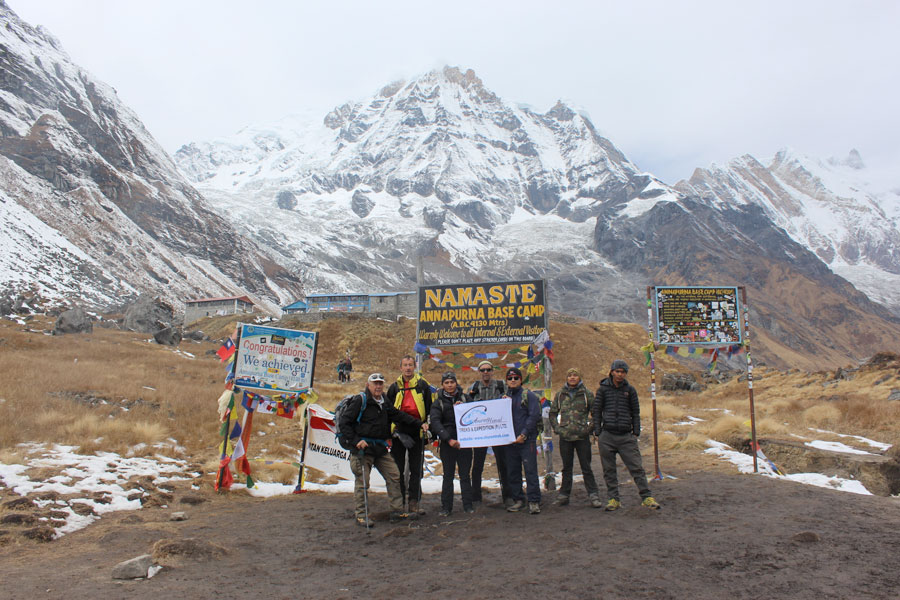
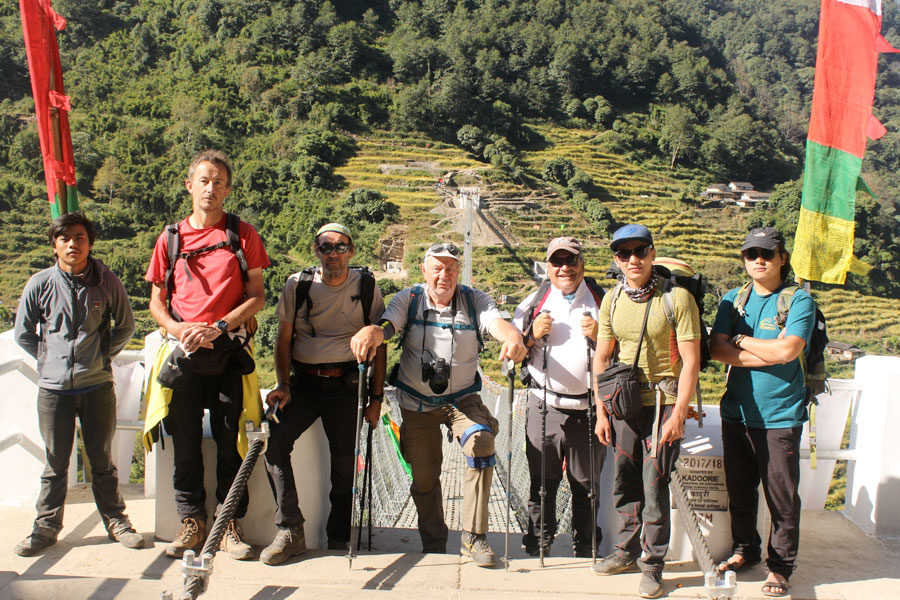
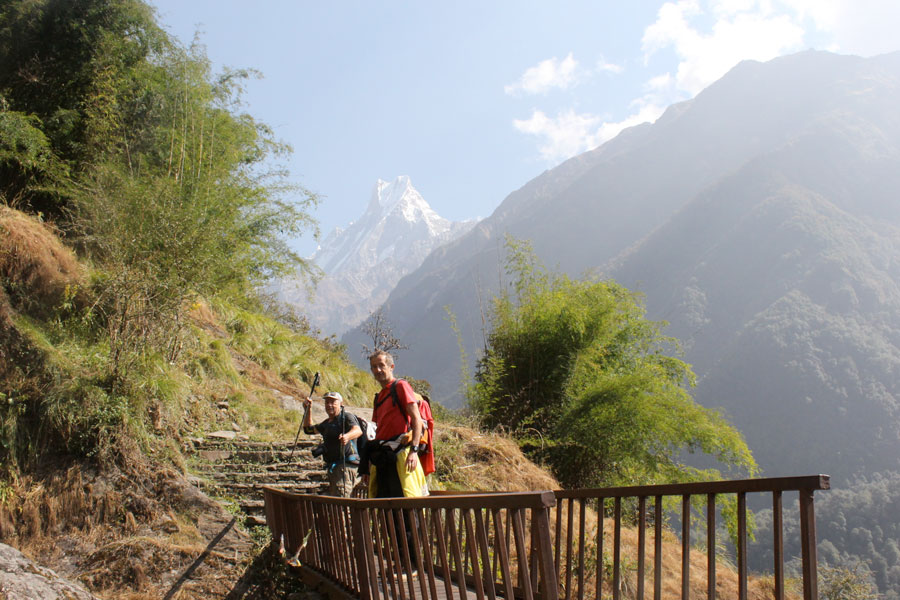
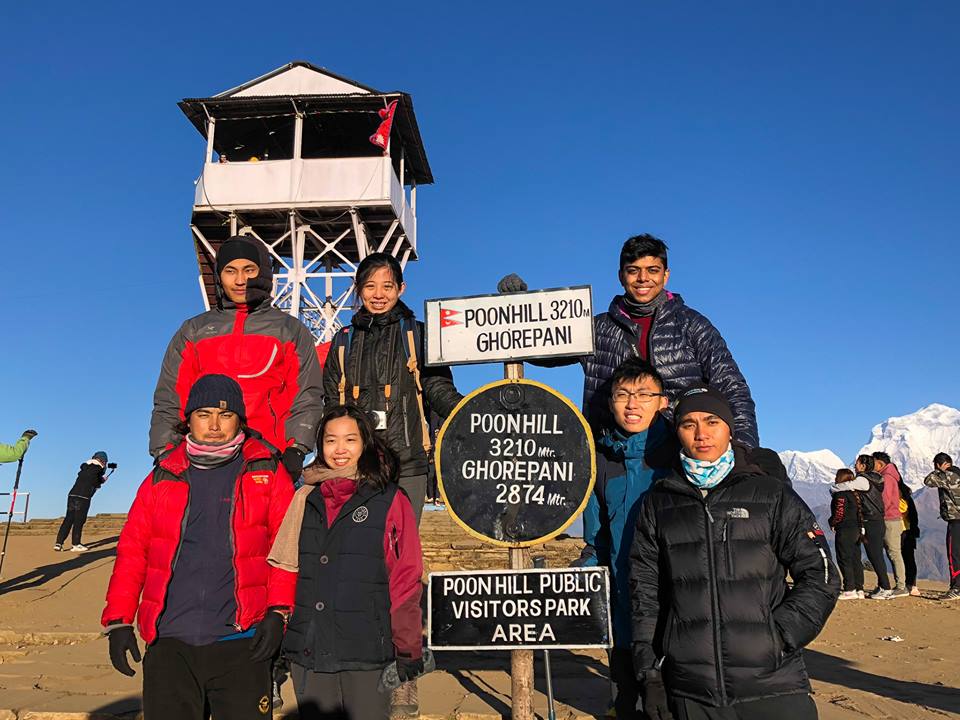










Joëlle Garo-Dezanniaux de France écrit sur 16-12-2020
Agence très sérieuse, professionnelle toujours à l’écoute de nos attentes et de nos envies.Capable de nous proposer des treks à la demande et personnalisés.Cela fait maintenant la 13ème année que nous partons avec Churen Himal Treks.
Sabrine de England écrit sur 16-01-2019
I went for an Everest Base Camp trek with CHT team in May 2018. Being a very organised person (I prefer everything to be planned in detail and booked in advance before I travel), I was a bit sceptic and nervous about the kind of arrangements that CHT would have done. But when I got there, I was pleased and surprised to see the amount of planning that CHT team had done and the professionalism that they showed at every step of our journey. We had two tour guides (Ranbir and Mulal) supported by two porters (Pasang and Dhane) all of them were very helpful, professional and were very accommodating of all our needs. I highly recommend Churen Himal Treks for your hiking needs.