Khopra Danda Trek with Mohare danda and Muldai View -18 Days

Khopra Danda Trek -18 Days

Khopra Danda Trek with Mohare danda and Muldai View -18 Days
Starting From

Kathmandu

Ending at

Kathmandu

Duration

18 Days

Accommodation

Hotel and Lodges

Trip Grade

Easy

Max. Altitude

4,500m

Meal Plan

Break-fast,Lunch & Diner

Group size

01-15 Pax

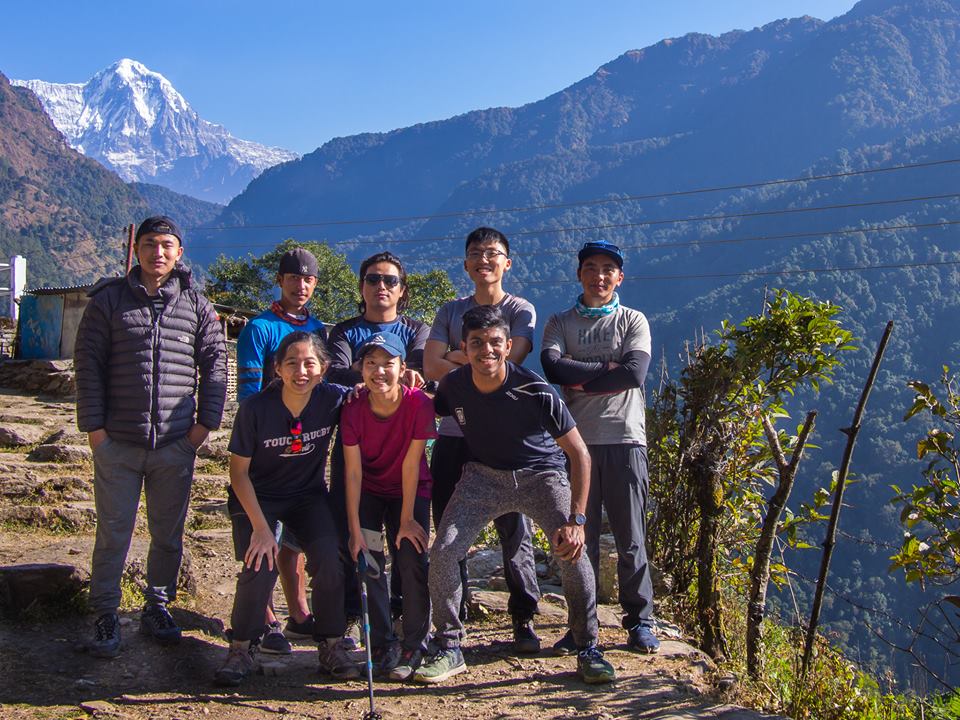
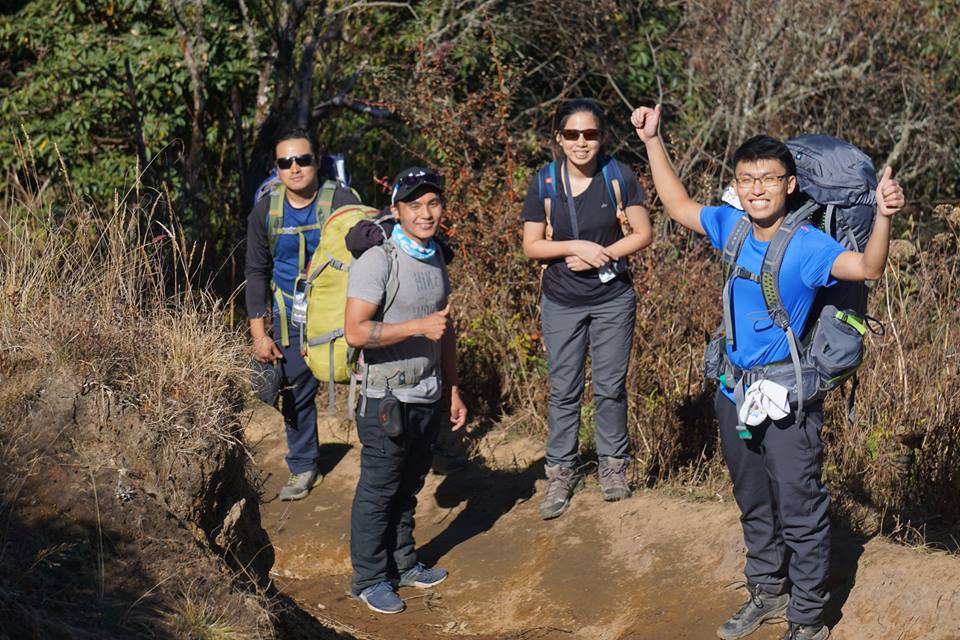
The Khopra Danda Trek with Mohare Danda and Muldai View – 18 Days is one of the most beautiful and less-crowded trekking adventures in the Annapurna region of Nepal. This unique route combines the peaceful Mohare Danda community trail, the spectacular Khopra Ridge viewpoint, and the hidden gem Muldai Viewpoint, offering some of the most breathtaking Himalayan panoramas in Nepal. Unlike the busy classic routes, this trek takes you through quiet villages, dense rhododendron forests, and remote ridges where you can experience authentic local culture and untouched natural beauty.

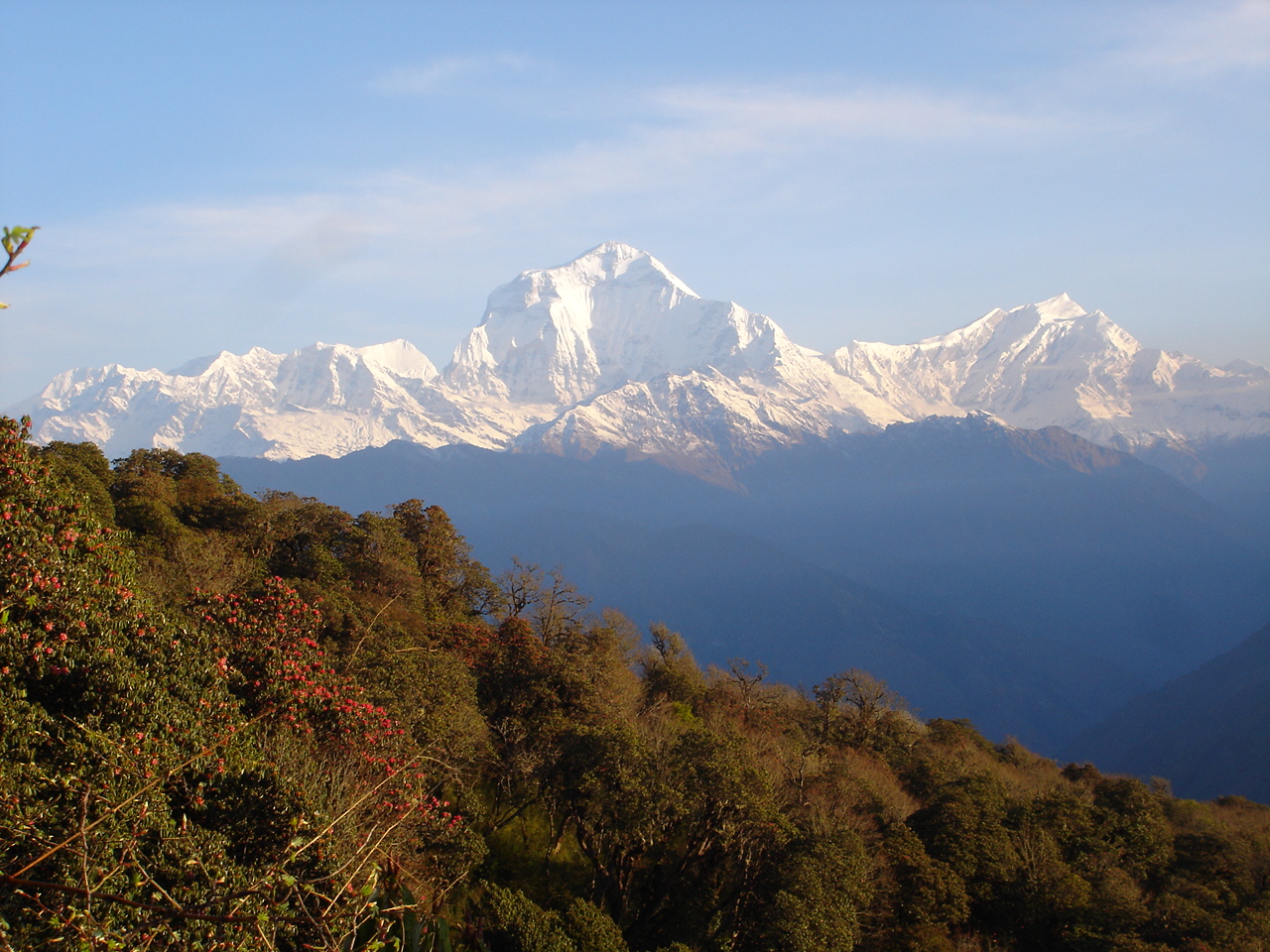
This off-the-beaten-path Annapurna trek is perfect for trekkers who want a combination of adventure, culture, and stunning mountain scenery. Throughout the journey, you will witness incredible views of Annapurna South (7,219m), Dhaulagiri (8,167m), Machapuchare (Fishtail), Nilgiri, and Hiunchuli. Along the way, you will explore traditional Magar and Gurung villages, stay in local community lodges, and experience warm Himalayan hospitality.

Highlights of Khopra Danda Trek with Mohare Danda and Muldai View

The Khopra Danda Trek is becoming increasingly popular among trekkers looking for a quieter alternative to the Annapurna Base Camp Trek or the Ghorepani Poon Hill Trek. This route offers extraordinary viewpoints and cultural experiences while avoiding the crowds found on popular trails.

  • Scenic Mohare Danda ridge (3,300m) with panoramic Himalayan views

  • Explore the remote Khopra Danda viewpoint (3,660m)

  • Hike to the sacred Khayer Lake (4,500m)

  • Sunrise from Muldai Viewpoint (3,637m)

  • Visit the famous Poon Hill (3,210m) sunrise point

  • Experience authentic Magar and Gurung culture in remote villages

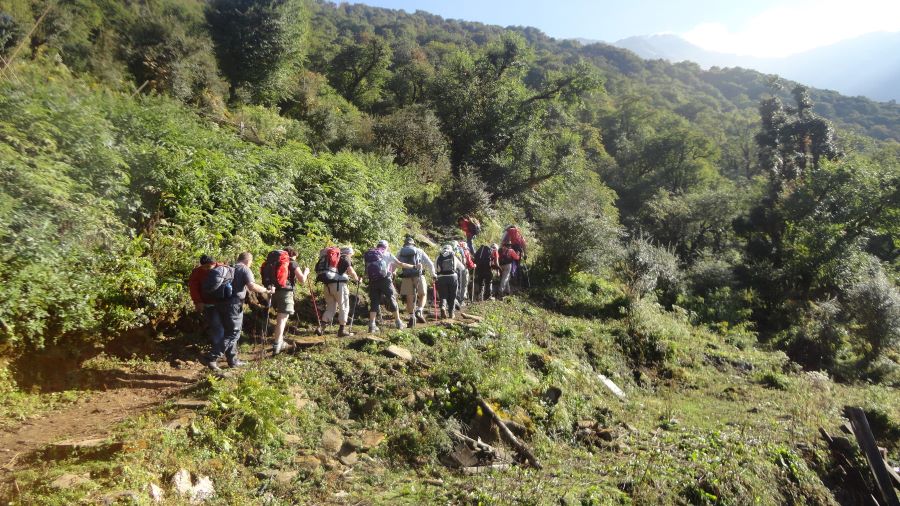
  • Trek through beautiful rhododendron and oak forests

  • Less crowded alternative to the Annapurna Base Camp Trek

This combination of viewpoints makes the trek one of the best panoramic treks in the Annapurna region.

01

Arrival in Kathmandu (1,400m) – Hotel Transfer

Upon your arrival at Kathmandu airport, one of our representatives will greet you and will transfer you to the hotel. Welcome Evening dinner at authentic Nepalese restaurant with cultural performance. Airport pickup by private Car, Van or Bus (According to group size) Tribhuvan International Airport (KTM), Kathmandu, Bagmati, Nepal.

02

Drive from Kathmandu (1,400m) to Pokhara (822m) – 7–8 Hours / 200 km

Take a scenic drive from Kathmandu to Pokhara (822m), passing rivers, terraced farms, and hillside villages along the Prithvi Highway. The journey follows the Trishuli and Marsyangdi rivers. Upon arrival, enjoy views of Annapurna and Machapuchare reflected on Phewa Lake.

03

Drive from Pokhara – Beni – Galeshwor (1,170m) 4.5h, Trek to Baskharka (1,525m) 3h

Drive from Pokhara through Beni to Galeshwor along the Kali Gandaki Valley. From Galeshwor, begin trekking through forest trails and terraced fields. After about three hours of gradual ascent, reach Baskharka village (1,525m), a peaceful settlement with beautiful hillside views.

04

Trek from Baskharka (1,525m) to Nangi Village (2,320m) – 6 Hours / 10 km

The trail climbs steadily through dense rhododendron and oak forests toward Nangi village. This scenic route offers views of the Dhaulagiri and Annapurna ranges. Nangi is known for its community projects and Magar culture, making it a rewarding stop with warm local hospitality.

05

Trek from Nangi (2,320m) to Mohare Danda (3,300m) – 6 Hours / 9 km

Leave Nangi and hike through alpine forests and open ridges toward Mohare Danda (3,300m). The climb is steady but rewarding, offering spectacular views of Annapurna South, Machapuchare, and Dhaulagiri. Mohare Danda is a peaceful viewpoint perfect for enjoying a dramatic Himalayan sunset.

06

Trek from Mohare Danda (3,300m) to Ghorepani (2,880m) – 6 Hours / 12 km

Walk along scenic ridgelines and rhododendron forests descending gradually toward Ghorepani. The trail offers frequent panoramic views of the Annapurna and Dhaulagiri ranges. Ghorepani (2,880m) is a lively trekking village and gateway to the famous Poon Hill viewpoint.

07

Sunrise hike Poon Hill (3,210m), Trek to Swanta (2,214m) – 4 Hours / 8 km

Early morning hike to Poon Hill (3,210m) for a breathtaking sunrise over Annapurna and Dhaulagiri. After enjoying the panoramic views, descend through forest trails toward the quiet Magar village of Swanta (2,214m), surrounded by farmland and traditional houses.

08

Trek from Swanta (2,214m) to Khopra Danda (3,660m) – 6.5 Hours / 11 km

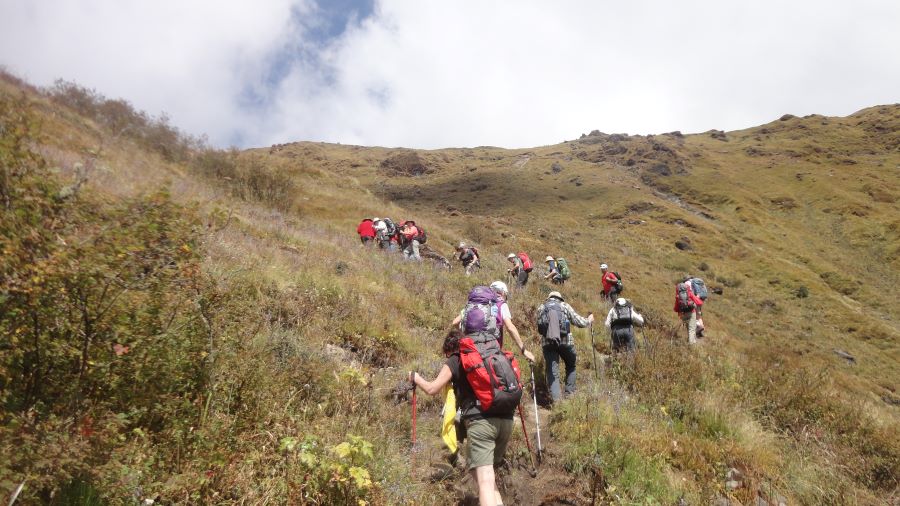
Climb steadily through forests and alpine pastures toward Khopra Danda. As the trail rises above the tree line, dramatic views of Dhaulagiri, Nilgiri, and Annapurna South appear. Khopra Ridge (3,660m) offers one of the most spectacular high-altitude viewpoints in the region.

09

Day Hike to Khayer Lake (4,500m) – Return to Khopra Danda – 7 Hours / 12 km

Take an adventurous hike to the sacred Khayer Lake (4,500m), an important pilgrimage site for Hindus. The trail climbs through alpine terrain with incredible mountain views. After spending time at the serene glacial lake, descend back to Khopra Danda for an overnight stay.

10

Trek from Khopra Danda (3,660m) to Dobato (3,350m) – 5.5 Hours / 9 km

Leave Khopra Ridge and follow remote mountain trails through forests and open ridges. The route offers stunning views of Annapurna South and Machapuchare. After several hours of scenic trekking, arrive at Dobato (3,350m), a quiet stop surrounded by alpine nature.

11

Trek from Dobato to Chuile (2,300m) via Muldai Viewpoint (3,637m) – 5 Hours / 10 km

Early morning hike to Muldai Viewpoint for spectacular sunrise views over the Annapurna range. After enjoying the panorama, descend through rhododendron forests toward Chuile village (2,300m), a peaceful settlement with traditional houses and mountain scenery.

12

Trek from Chuile (2,300m) to Chhomrong (2,170m) – 5 Hours / 9 km

Follow forested trails and stone staircases leading toward Chhomrong village. Along the way, enjoy views of Annapurna South and the Modi Khola Valley. Chhomrong is a large Gurung village and a major gateway to the Annapurna Sanctuary trekking routes.

13

Trek from Chhomrong (2,170m) to Landruk (1,565m) – 6 Hours / 11 km

Descend steep stone steps to cross the Modi Khola River before climbing gently toward Landruk village. The trail passes through forests, terraced farms, and scenic viewpoints. Landruk (1,565m) offers excellent views of Annapurna South and traditional Gurung culture.

14

Trek from Landruk (1,565m) to Pothana (1,890m) – 6 Hours / 12 km

Trek through beautiful rhododendron forests and hillside villages toward Pothana. The trail gradually climbs along the Annapurna foothills, offering peaceful scenery and mountain views. Pothana (1,890m) is a small village located inside the Annapurna Conservation Area.

15

Trek from Pothana (1,890m) to Dhampus and drive to Pokhara (822m) – 3–4 Hours / 8 km

Descend through forest trails toward Dhampus and the roadhead before driving back to Pokhara. Enjoy the relaxed atmosphere of the lakeside city, where you can rest, explore cafes, or take a peaceful walk around Phewa Lake.

16

Drive Pokhara (822m) to Kathmandu (1,400m) – 7–8 Hours / 200 km

Travel back to Kathmandu via a scenic highway following rivers and terraced landscapes. After arriving in the capital, transfer to your hotel and enjoy your evening exploring local markets, restaurants, and cultural sites.

17

Free Day in Kathmandu (1,400m)

Spend a relaxing day exploring Kathmandu Valley. Visit UNESCO World Heritage sites such as Swayambhunath, Boudhanath Stupa, or Kathmandu Durbar Square. It’s also a perfect time for souvenir shopping and enjoying traditional Nepali cuisine.

18

Final departure

After breakfast, our representative transfers you to the Kathmandu airport to catch your returning flight back home. Leave Nepal with unforgettable memories of Himalayan landscapes, traditional villages, and an incredible trekking adventure in the Annapurna region. Thank you for travelling with Churen Himal Treks. Airport drop by private car, van, or Bus (According to group size), Tribhuvan International Airport (KTM), Kathmandu, Bagmati, Nepal.


The cost includes


  • Pick up & drop off to and from the airport by private Car/Van/Bus as per group size
  • 3-night hotel in Kathmandu on a bed and breakfast basis
  • 2-night hotel in Pokhara on a bed and breakfast basis
  • By private Car/Van/Bus as per group size  from Pokhara-Goleswor and Pothana - Pokhara
  • Tourist Bus from Kathmandu - Pokhara - Kathmandu.
  • A Strong, helpful porter with proper equipment (one porter for two people).
  • Three meals a day, including tea and coffee during the trek (breakfast, lunch, and dinner), as well as fresh fruits in the evening
  • Accommodation in tea houses/lodges along the trek as per the itinerary
  • Annapurna Conservation Area Project (ACAP) entrance permits
  • Trekkers Information Management System (TIMS) registration card
  • Experienced, English-speaking, government-licensed, and Ministry of Tourism-trained trekking guide with meals, accommodation, salary, and insurance
  • An assistant trekking guide for groups of over 6 people with meals, accommodation, salary, and insurance
  • Duffel bags for the trek (duffel bags are to be returned after the completion of the trip)
  • Daily seasonal fresh fruits as per availability
  • A first aid kit is carried by the guide. An oximeter to check your pulse, oxygen saturation, and heart rate( Very useful to check Altitude sickness symptoms).
  • Necessary paperwork, all government and local taxes
  • In a worst-case scenario, rescue and medical evacuation assistance (costs to be paid by the client)
  • 1 complementary Welcome dinner in a typical Nepali restaurant with a cultural program in Kathmandu

The cost excludes


  • Nepal entry visa fees are $50 USD for 30 days visa on arrival.
  • International airfare, Nepal visa fees (two passport photographs required), and travel and medical insurance for emergency evacuation
  • Entrance fees for sightseeing/monument visits as per the itinerary
  • Lunch and dinner during your stay in Kathmandu and Pokhara (except the Welcome dinner)
  • Expenses of a personal nature (bars and beverage bills, dessert and snacks, hot shower, drinking water, telephone, internet, laundry, titbits, etc)
  • Costs arising from natural calamities, mishaps, or anything beyond our control. Costs are non-refundable and non-transferable if you leave the trek voluntarily
  • Meals and accommodation in Kathmandu in cases of early returns and late departures
  • Services not mentioned in the 'What's Included' section and referred to as 'optional.'
  • Porters are available at an extra cost
  • Tipping is a culture in Nepal and is expected by your staff (guides, porters, drivers)
  • In case of natural calamities i.e. political unrest, cancellation of flight due to weather, landslides etc the extra charge should be born by themselves.
  • Any other services or activities, which are not mentioned in the itinerary, and other items not listed in the “Cost Includes” section
 

Equipment Check List for Trekking

HEAD

  • Sun hat or scarf
  • Light balaclava or warm fleece hat
  • Sunglasses with UV protection


FEET

  • Thin, lightweight inner socks
  • Thick, warm wool hiking socks
  • Hiking boots with spare laces
  • Camp shoes (sneakers and/or sandals)
  • Gaiters for hiking in winter


HANDS

  • Lightweight gloves
  • Heavyweight gloves or mittens
  • With a waterproof shell outer (Seasonal


LOWER BODY

  • Under Garments
  • Hiking shorts
  • Lightweight cotton long pants
  • Light and expedition-weight thermal bottoms
  • Fleece or wool pants (seasonal)
  • Waterproof (preferably breathable fabric) shell pants


UPPER BODY

  • T-shirts
  • Light and expedition-weight thermal tops
  • Fleece jacket or pullover
  • Fleece Wind-Stopper jacket (Optional)
  • Waterproof (preferably breathable fabric) shell jacket


ACCESSORIES

  • Sleeping bag rated to zero degrees F *
  • Headlamp (e.g., Petzl Zoom) with spare bulbs and batteries
  • A small pad or combination lock-to-lock
  • Trekking Bags/Duffel bag
  • Basic First Aid Kit
  • Large plastic bags – for keeping Items dry inside the trek bag
  • Day pack (Approximately 20-22 Liter)
  • Trekking Poles
  • Water bottles
  • Toiletries (Small wash towel, Toilet papers etc)
  • Earplugs (who knows, some people in the group are snoring)


TOILETRIES

  • Toothbrush/paste
  • Multipurpose soap
  • Nail cutter
  • Small mirror


Personal Hygiene:

  • Wet wipes (baby wipes)
  • Tissue /toilet roll
  • Anti-bacterial hands wash


EXTRAS/LUXURIES

  • Binoculars
  • Reading book
  • Trail Map/Guidebook
  • Journal & Pen
  • Pencils and small notebooks
  • Travel game, i.e., cards

Overview of the Khopra Danda Trek Route

The trek begins in Kathmandu, the cultural capital of Nepal, before driving to the beautiful lakeside city of Pokhara, which is the gateway to the Annapurna trekking region. From Pokhara, the journey continues to Beni and Galeshwor, where the trekking adventure officially begins.

The route follows the Mohare Danda Community Trek, passing through traditional villages such as Baskharka and Nangi, where travelers can experience local culture and community-based tourism. The trail gradually climbs through lush forests to reach the spectacular ridge of Mohare Danda, offering stunning views of the Annapurna and Dhaulagiri ranges.

From Mohare Danda, the trail joins the classic Ghorepani and Poon Hill route, allowing trekkers to witness one of the most famous sunrise views in Nepal. After visiting Poon Hill, the trek continues to the quiet village of Swanta, leading toward the remote and breathtaking ridge of Khopra Danda.

At Khopra Ridge, trekkers enjoy incredible close-up views of Dhaulagiri (8,167m) and Annapurna South. A highlight of the journey is the challenging day hike to Khayer Lake, a sacred alpine lake located at an altitude of about 4,500 meters. This remote location offers one of the most spectacular high-altitude landscapes in the Annapurna region.

The trek continues along peaceful mountain trails to Dobato, from where trekkers hike to the hidden Muldai Viewpoint, a less crowded but equally beautiful alternative to Poon Hill. After enjoying the sunrise views, the trail descends through rhododendron forests to Chuile and Chhomrong, traditional Gurung villages known for their stunning mountain scenery.

The final section of the trek passes through Landruk and Pothana, charming villages located inside the Annapurna Conservation Area, before returning to Pokhara. After a relaxing day in Pokhara, travelers drive back to Kathmandu to conclude this unforgettable Himalayan adventure.

Why Choose the Khopra Danda and Mohare Danda Trek?

The Khopra Danda Trek with Mohare Danda offers something truly special compared to many other trekking routes in Nepal. While famous routes like Everest Base Camp or Annapurna Base Camp attract large numbers of trekkers, this trail provides a quieter and more authentic Himalayan experience.

The trek follows a community-based eco trekking route developed to support local villages. Lodges along the trail are run by local communities, and the income helps fund schools and development projects in the region. This means your trek directly benefits the local people.

Another unique feature of this trek is the dramatic change in landscapes. The journey begins in lush green valleys and terraced farmland before gradually ascending through rhododendron forests and alpine ridges. As you gain altitude, the views open up to reveal massive Himalayan peaks dominating the horizon.

If you love photography, nature, and cultural experiences, this trek is an excellent choice.


Major Viewpoints Along the Trek

Mohare Danda (3,300m)

Mohare Danda is one of the best panoramic viewpoints in the Annapurna region. From this peaceful ridge, trekkers can enjoy breathtaking views of Dhaulagiri, Annapurna South, Nilgiri, Machapuchare, and the entire Annapurna massif. The sunrise and sunset views from Mohare Danda are unforgettable.

Poon Hill (3,210m)

Although this trek follows quieter routes, it still includes the famous Poon Hill viewpoint. Known for its spectacular sunrise views, Poon Hill offers a wide panorama of Annapurna, Dhaulagiri, and other Himalayan peaks glowing golden in the morning light.

Khopra Danda (3,660m)

Khopra Danda is the highlight of the trek. Located on a dramatic ridge, it provides incredibly close views of Dhaulagiri and Annapurna South. Because fewer trekkers visit this area, the peaceful environment and untouched beauty make it one of the most rewarding viewpoints in Nepal.

Khayer Lake (4,500m)

A challenging but rewarding day hike from Khopra Danda leads to Khayer Lake, a sacred alpine lake surrounded by towering Himalayan peaks. This remote location is an important pilgrimage site for Hindus and offers one of the most breathtaking alpine landscapes in the Annapurna region.

Muldai Viewpoint (3,637m)

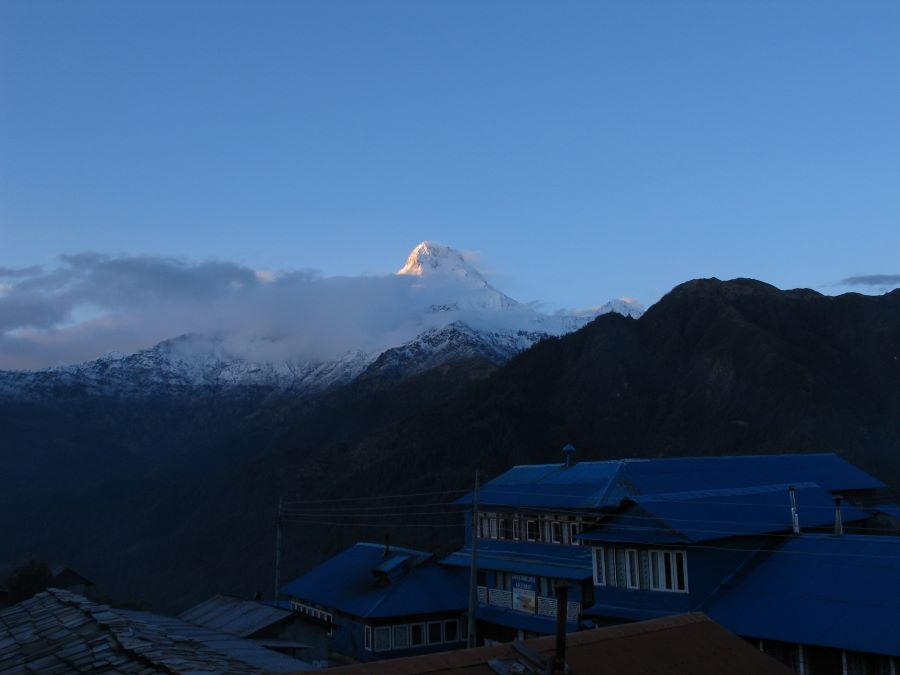
Another hidden gem of this trek is Muldai Viewpoint, which offers one of the best sunrise panoramas in the Annapurna region. From here, trekkers can see a wide range of mountains, including Annapurna I, Annapurna South, Machapuchare, Dhaulagiri, and Manaslu.


Difficulty Level of the Trek

The Khopra Danda Trek with Mohare Danda and Muldai View is considered a moderate trekking route. It does not require technical climbing skills, but trekkers should have a reasonable level of fitness.

Daily trekking hours generally range between 5 to 7 hours, depending on the route and altitude. The highest point during the trek is the hike to Khayer Lake at around 4,500 meters, but the main overnight stop is at Khopra Danda (3,660m).

Because the itinerary allows gradual altitude gain, the risk of altitude sickness is relatively low compared to higher Himalayan treks.


Best Time for Khopra Danda Trek

The best seasons for the Khopra Danda and Mohare Danda Trek are:

Spring (March – May)
This is one of the most beautiful seasons because rhododendron forests bloom in vibrant colors. The weather is stable, and the mountain views are clear.

Autumn (September – November)
Autumn is considered the best trekking season in Nepal. The skies are usually clear, the temperatures are comfortable, and the visibility of the Himalayan peaks is excellent.

Winter trekking is possible but can be cold at higher elevations, while the monsoon season brings heavy rain and slippery trails.


Accommodation and Food

Accommodation during the trek is provided in local teahouses and community lodges. These lodges offer simple but comfortable rooms and warm hospitality from local families.

Meals typically include traditional Nepali dishes like dal bhat (rice, lentils, and vegetables), along with noodles, soups, pasta, pancakes, and Tibetan bread. The community lodges along the Mohare Danda route help support local development and sustainable tourism.


Why Choose the Khopra Danda Trek?

The Khopra Danda Trek with Mohare Danda and Muldai View is perfect for travelers seeking a less crowded trekking experience in the Annapurna region. The route combines breathtaking mountain views, authentic cultural encounters, and remote wilderness trails.

Unlike the busier trekking routes in Nepal, this journey offers a peaceful environment where trekkers can truly connect with nature and the Himalayan landscape. From sunrise viewpoints to sacred alpine lakes and traditional mountain villages, every day of the trek reveals something new and unforgettable.

For those looking for an off-the-beaten-path trekking adventure in Nepal, the Khopra Danda Trek – 18 Days is an incredible journey that showcases the hidden beauty of the Annapurna Himalayas.


Frequently Asked Questions (FAQ)

01

What is the Khopra Danda Trek with Mohare Danda and Muldai View?

The Khopra Danda Trek with Mohare Danda and Muldai View is a scenic off-the-beaten-path trek in Nepal’s Annapurna region. It combines stunning viewpoints like Mohare Danda, Poon Hill, Khopra Ridge, and Muldai Viewpoint. This route offers breathtaking Himalayan views, peaceful trails, and authentic cultural experiences in Magar and Gurung villages.

02

How difficult is the Khopra Danda Trek?

The Khopra Danda Trek is considered a moderate trek suitable for trekkers with basic fitness. The trail involves daily walks of 5–7 hours with gradual ascents through forests, ridges, and mountain villages. The highest point is the hike to Khayer Lake at about 4,500 meters, making proper pacing and preparation important.

03

What is the best time to do the Khopra Danda Trek?

The best seasons are spring (March–May) and autumn (September–November). During spring, rhododendron forests bloom and the weather is pleasant. Autumn offers clear skies and excellent visibility of the Annapurna and Dhaulagiri mountain ranges, making it ideal for photography and trekking.

04

How long is the Khopra Danda Trek with Mohare Danda and Muldai View?

The full trekking itinerary usually takes about 18 days including arrival, trekking, and departure. The trekking portion itself generally lasts around 12–14 days depending on the route and pace. The itinerary allows proper acclimatization and time to enjoy the mountain scenery and local culture.

05

What mountains can be seen during the Khopra Danda Trek?

Trekkers can enjoy incredible views of major Himalayan peaks such as Annapurna South, Dhaulagiri, Machapuchare (Fishtail), Nilgiri, Hiunchuli, and Annapurna I. These mountains are visible from several viewpoints including Mohare Danda, Poon Hill, Khopra Ridge, and Muldai Viewpoint.

06

What is the highest point of the Khopra Danda Trek?

The highest point of the trek is the day hike to Khayer Lake at approximately 4,500 meters. However, the highest overnight stay is at Khopra Danda (3,660 meters). The trek gradually increases altitude, helping trekkers adapt and reducing the risk of altitude sickness.

07

Do I need trekking permits for this trek?

Yes, trekkers need two permits: the Annapurna Conservation Area Permit (ACAP) and the TIMS card (Trekkers’ Information Management System). These permits are required to enter the Annapurna Conservation Area and help support conservation and trekking safety.

08

Is the Khopra Danda Trek less crowded than other Annapurna treks?

Yes, the Khopra Danda Trek is much quieter than popular routes like the Annapurna Base Camp or Everest Base Camp treks. Because it follows a less commercialized trail, trekkers can enjoy peaceful forests, remote villages, and panoramic viewpoints with fewer crowds.

09

What accommodation is available during the trek?

Accommodation is mainly in teahouses and community lodges run by local families. Rooms are simple with twin beds and shared bathrooms. These lodges provide warm hospitality and basic comfort, making them perfect for trekkers exploring the remote Annapurna trails.

10

What kind of food is available on the trek?

Teahouses offer a variety of local and international meals. The most popular dish is Dal Bhat, a traditional Nepali meal with rice, lentils, and vegetables. Other options include noodles, fried rice, soups, pasta, pancakes, eggs, tea, and coffee.

11

Is altitude sickness a concern on this trek?

Altitude sickness can occur above 3,000 meters, but the itinerary usually allows gradual altitude gain. Staying hydrated, trekking slowly, and allowing proper acclimatization helps reduce risks. Since the highest sleeping point is 3,660 meters, the risk is generally lower than on higher Himalayan treks.

12

Can beginners do the Khopra Danda Trek?

Yes, beginners with good physical fitness can complete the trek. It does not require technical climbing skills. However, regular walking, basic training, and preparation before the trek can make the journey more comfortable and enjoyable.

13

What makes Khayer Lake special?

Khayer Lake is a sacred alpine lake located at around 4,500 meters. It is an important pilgrimage site for Hindus who visit during religious festivals. The lake is surrounded by snow-capped Himalayan peaks, creating a peaceful and breathtaking high-altitude landscape.

14

Why is Mohare Danda famous among trekkers?

Mohare Danda is known for its panoramic sunrise and sunset views over the Annapurna and Dhaulagiri mountain ranges. It is part of a community-based eco-trekking route that supports local villages and promotes sustainable tourism in the Annapurna region.

15

What makes the Khopra Danda Trek unique?

The Khopra Danda Trek stands out because it combines several incredible viewpoints like Mohare Danda, Poon Hill, Khopra Ridge, and Muldai Viewpoint in one journey. It offers stunning Himalayan scenery, authentic village culture, and quieter trails compared to popular trekking routes.


Click to ask        

Comments

Write a review

Captcha Image

Need help?

If you need help booking a trip or need more information, please do not hesitate to speak with our representative. You can make a direct call or use any messaging service, for example. WhatsApp, Viber, Telegram or Signal.

+977 9860204721

We are affiliated with

Professional Affiliations.
We are registered, affiliated, and recognized by the following institutions.
  • Government of logo
  • NTB logo
  • TAAN logo
  • NMA logo
  • KEEP logo
  • Himalayan Rescue Association logo
  • International Tourism Association logo
  • Travel quoter logo
  • World Umbrella logo