Annapurna Circuit Trek-14 Days

Annapurna Circuit Trek-14 Days

Annapurna Circuit Trek-16Days
Starting From

Kathmandu

Ending at

Kathmandu

Duration

14 Days

Accommodation

Hotel and Lodges

Trip Grade

Strenuous

Max. Altitude

5,416m

Meal Plan

Break-fast,Lunch & Diner

Group size

01-15 Pax

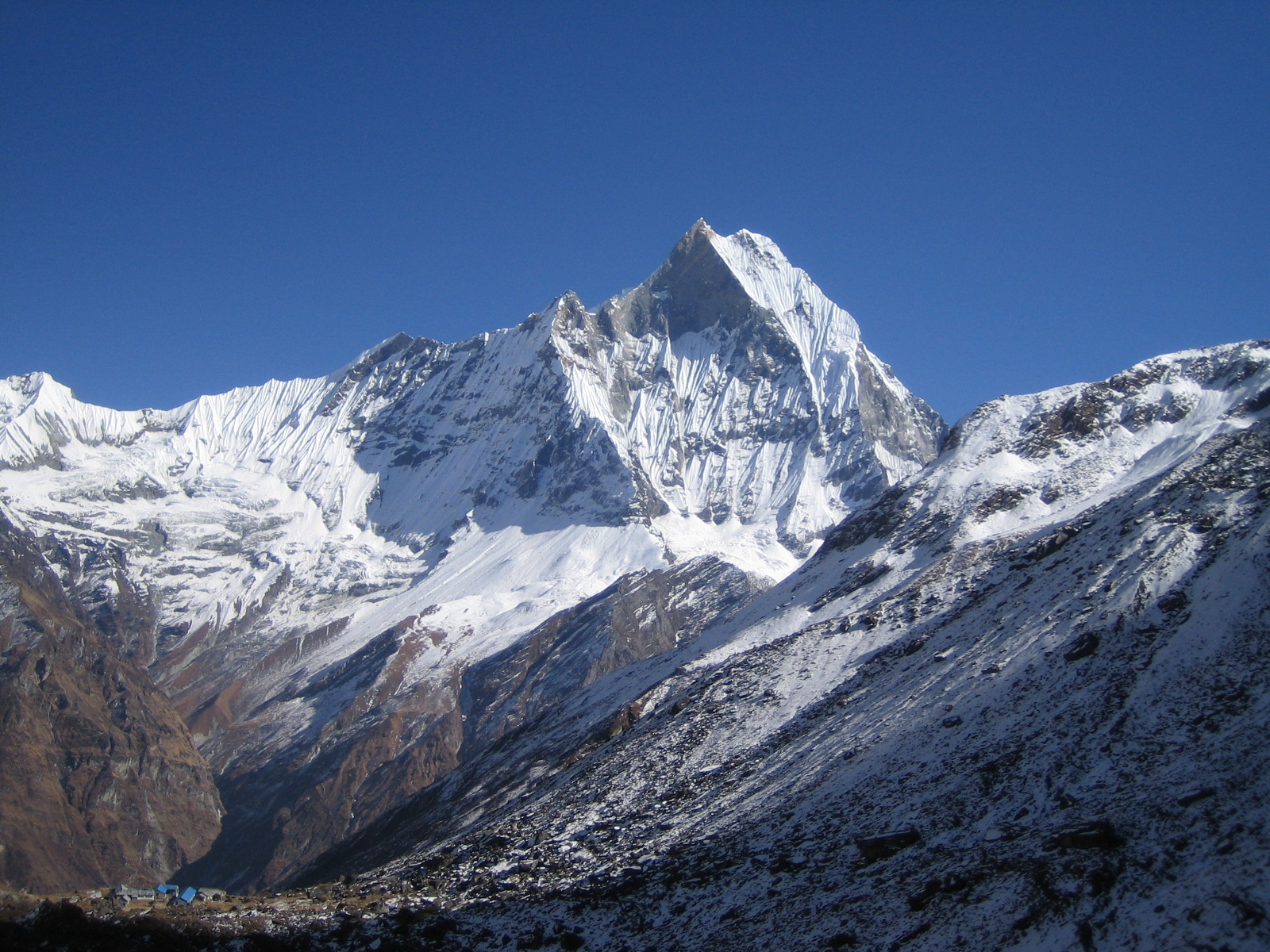
The Annapurna Circuit Trek – 14 Days is one of Nepal’s most iconic and diverse Himalayan adventures. Famous for crossing the legendary Thorong La Pass (5,416m), this classic trek circles the Annapurna Massif, offering dramatic landscapes, Tibetan-influenced villages, deep river gorges, and panoramic views of Annapurna I (8,091m), Dhaulagiri (8,167m), Manaslu, and Machapuchare.

If you’re searching for the perfect balance of challenge, culture, and scenery, the 14-day Annapurna Circuit itinerary delivers an unforgettable trekking experience in the heart of Nepal.

Why Choose the Annapurna Circuit Trek 14 Days?

The Annapurna Circuit is often ranked among the top 10 best treks in the world. What makes it special is its incredible diversity. Within two weeks, you move from lush subtropical forests at 800 meters to alpine deserts above 5,000 meters.

Highlights include:

  • Crossing Thorong La Pass (5,416m)

  • Visiting the sacred temple of Muktinath

  • Exploring traditional villages like Manang and Pisang

  • Witnessing the world’s deepest gorge, the Kali Gandaki Valley

  • Relaxing in natural hot springs at Tatopani

Compared to the Annapurna Base Camp Trek, the Annapurna Circuit is longer, higher, and more geographically varied, making it ideal for trekkers seeking a complete Himalayan journey.

01

Arrival at Tribhuvan International Airport in Kathmandu (1,350m) and transfer to hotel.

Upon your arrival at Kathmandu airport, one of our representatives will greet you and will transfer you to the hotel. Welcome Evening dinner at authentic Nepalese restaurant with cultural performance. Airport pickup by private Car, Van or Bus (According to group size) Tribhuvan International Airport (KTM), Kathmandu, Bagmati, Nepal.

02

Full day Sightseeing in Kathmandu.

Today we are going to visit four of the UNESCO world heritage listed sites in Kathmandu Valley. After breakfast, we start for the Kathmandu valley city tour, which includes the UNESCO heritage site in the Kathmandu valley. Pashupatinath Temple is one of the most sacred pilgrimage sites for Hindus all over the world, and it is the temple of Lord Shiva, the temple where the dead bodies are cremated on the Bagmati River. Boudhanath Stupa is one of the biggest stupas in Asia and a holiest Buddhist pilgrimage site and a famous tourist destination in the City Valley, and it is also famous for over 50 Tibetan gompas or monasteries. Kathmandu Durbar Square holds the places of the ancient royal palace that ruled over the Kathmandu Kingdom. Swayambhunath(Monkey Temple) is located in the heart of the City valley, and it is another famous tourist destination and holiest Buddhist pilgrimage site in Kathmandu Valley.

03

Drive from Kathmandu to Dharapani (1,960m/6,430ft):10 hours

We begin our long drive to Syange early in the morning. En route we get to enjoy the countryside of Nepal with its green hills, winding rivers, terraced farms and of course the mighty Himalayas. Overnight in Syange. We enter Manang district after crossing a large bridge near Tal. The trail passes through barley, rice and potato fields and the waterfalls continue to accompany us even today. We also pass through the village of Kodo before reaching Dharapani which is one of the biggest villages in the Manang valley. Overnight in Dharapani.

04

Trek from Dharapani to Chame (2,710m/8,891ft): 5 - 6 hours

Today we negotiate a few steep forested ridges along with several landslides on route to Chame. We should not forget to look up though, as we will be greeted with remarkable views of Lamjung Himal, Annapurna II, and Annapurna IV (7,525m). We also come across small hot springs which should help us relax for a while. Overnight in Chame.

05

Trek from Chame to Pisang (3,300m/10824ft): 5 - 6 hours

We walk through a steep and narrow valley to have our first view of Paungda Danda rock face, a dramatic curved rock face rising 1500m from the river. From here, we also gain excellent views of Annapurna 2 to the south and Pisang Peak to the northeast. Next, we descend to the Manang Valley floor enjoying the captivating landscape. Overnight in Pisang.

06

Treks from Pisang to Manang (3,500m/11,482ft): 6 - 7 hours

From Pisang, there are two routes to Manang. We choose the one which passes through Upper Pisang via Geru as it guarantees outstanding views of Mt. Annapurna, Pisang Peak, and others. As we walk near Manang the climate becomes more cold and dry. However, a short visit to Barge Monastery, the biggest monastery in the Manang District should cheer us up. Overnight in Manang.

07

Manang: Acclimatization day

In order to keep fit on the trails that follow, we keep ourselves busy today with a short hike to either Bhojo Gumba or Gangapurna Lake. If we have the energy, we can even hike to Vraga Village where we can visit the Himalayan Rescue Association which will give us some idea about Acute Mountain Sickness (AMS). Overnight in Manang.

08

Trek from Manang to Letdar (4250): 4-5 hours

Manang to Letdar (4250) Trekking slowly upwards to Thorung La we will leave the large trees behind and see vegetation consisting mainly of scrub juniper and alpine grass and we will pass a few meadows where horses and yaks graze. After we reach Yak Kharka we will see herds of blue sheep grazing the steep slopes as well. About an hour after passing Yak Kharka we will arrive at Letdar (4:30 hrs)

09

Trek from Letdar (4250) to Thorong Phedi: (4420m/14501 ft): 3-4 hours

It is an uphill walk to Thorang Phedi. After walking for some time we cross a suspension bridge and reach Ledar village. We ascend furthermore and pass through towering cliffs before reaching Thorang Phedi, the last village before Thorong La. On this trip we are rewarded with one of the best views of Mt. Gundang, Mt. Syagang, Thorung Peak and Mt. Khatungkan. Overnight in Thorong Phedi.

10

Trek from Thorong Phedi to Muktinath (3,800/12,467ft): 7 - 8 hours via Thorong La Pass (5416m/17764ft)

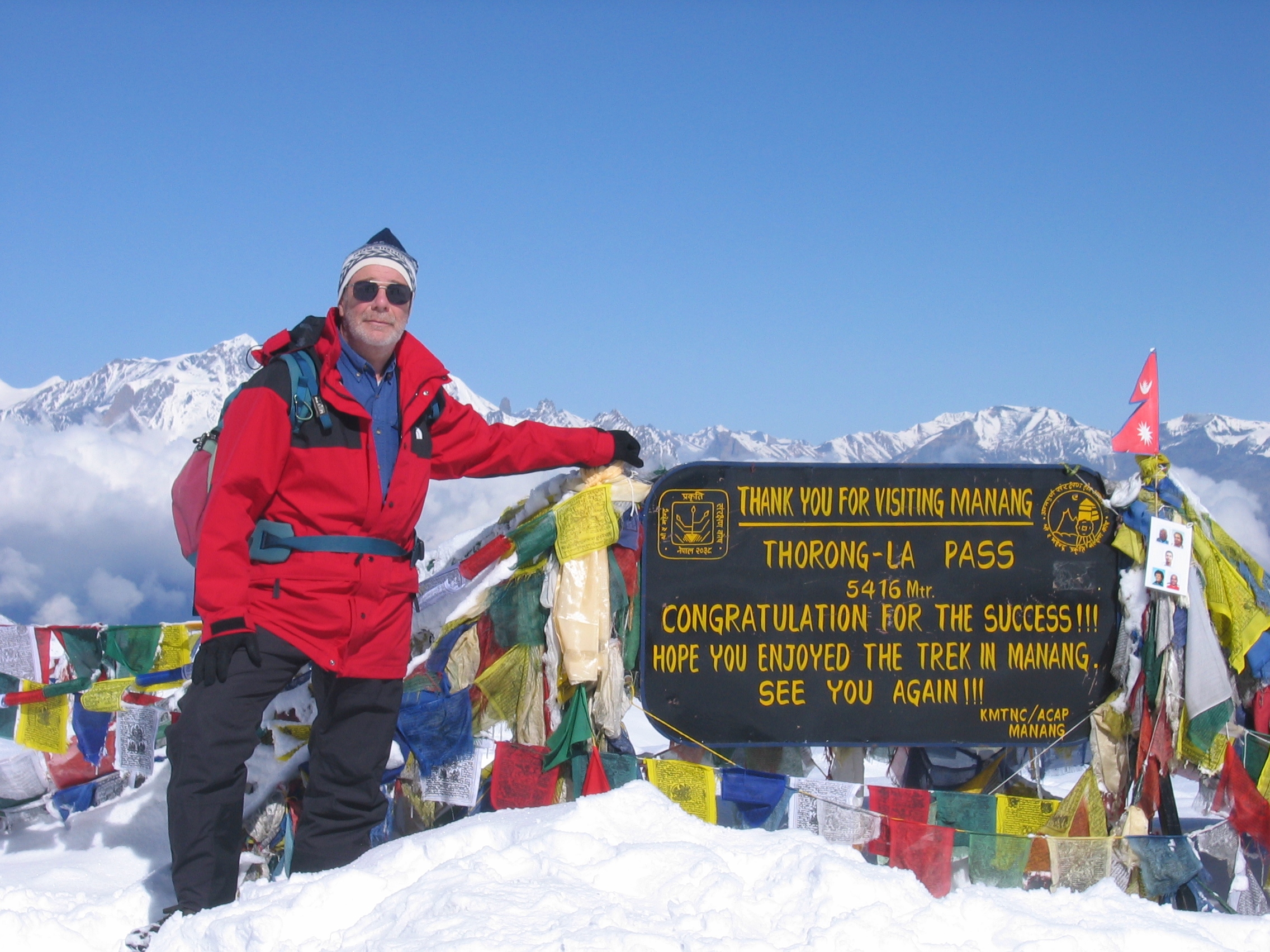
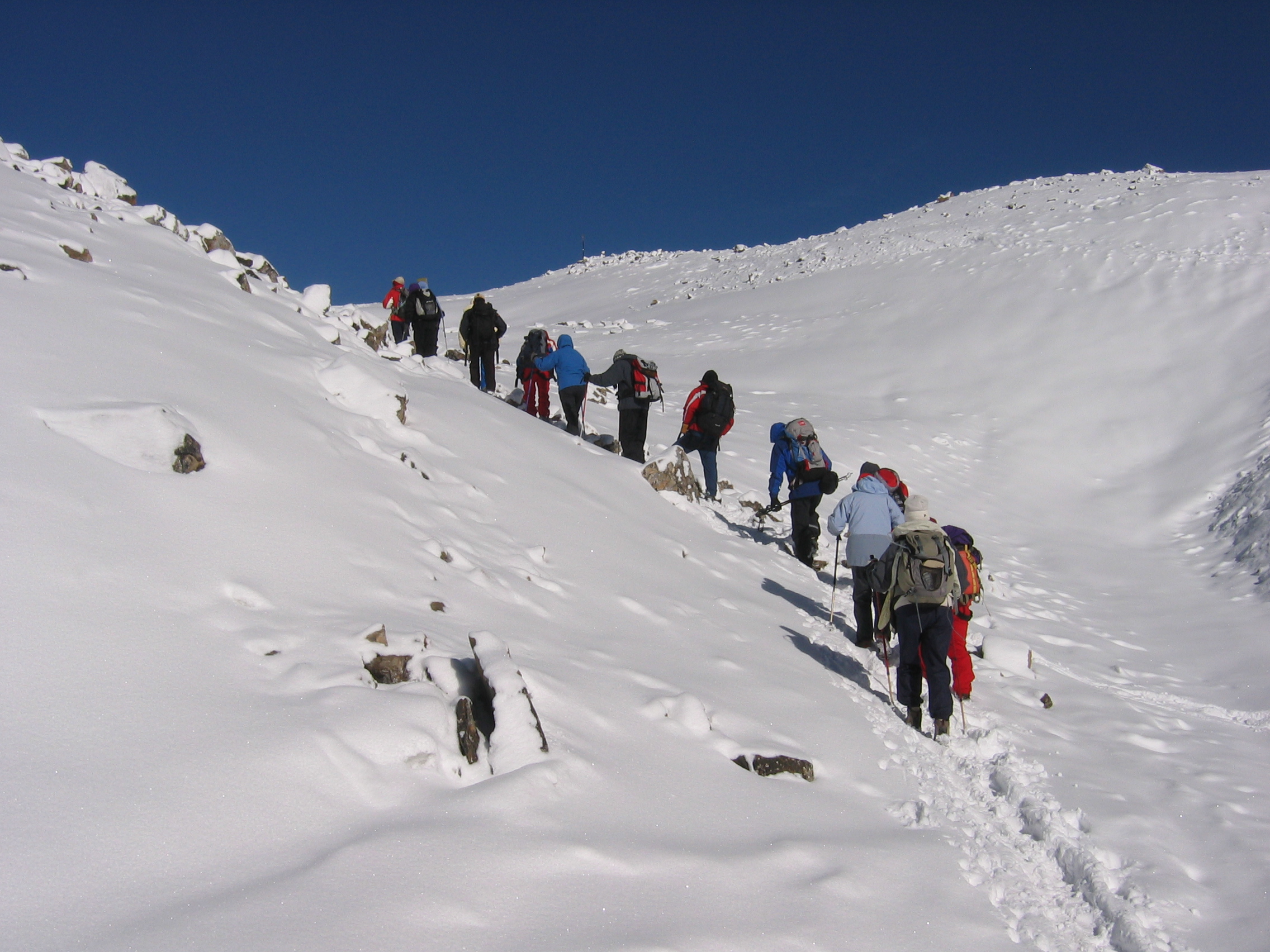
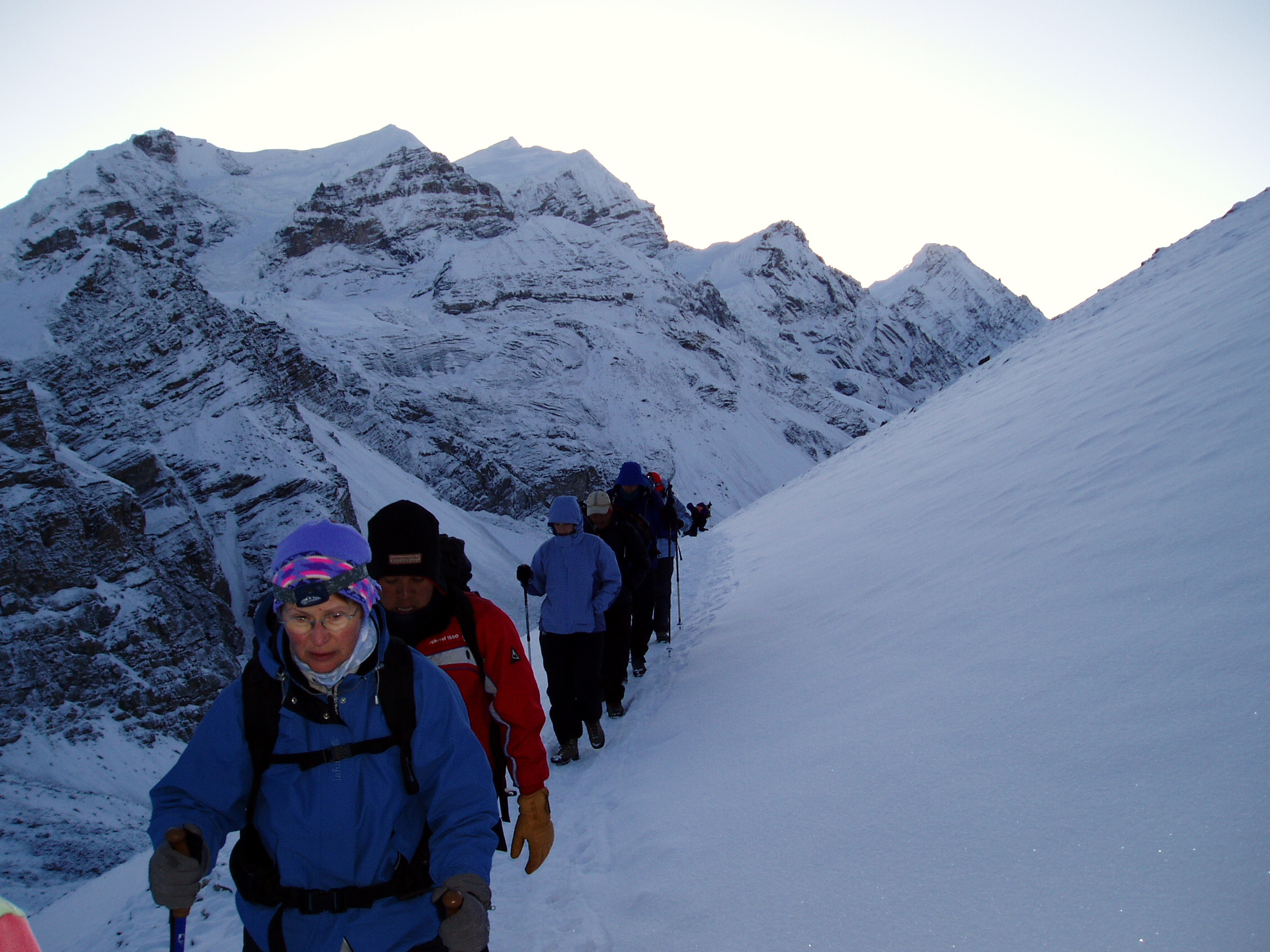
Crossing Thorong La pass, one of the highest passes in the world, will be our ultimate objective today. We will be crossing the pass from east to west (Manang to Muktinath), which is the easiest and safest direction. We get up around three in the morning and walk up the mountain. When we finally make it to the top, we realize that our journey was worth it. We can take a few photos before heading to Muktinath Valley at the foot of the Thorong La pass. Overnight in Muktinath.

11

Trek from Muktinath to Jomsom (2750m): 5-6 hours Via Kagbeni.

Descend from the sacred temple of Muktinath through the windswept Kali Gandaki Valley. Pass the ancient village of Kagbeni, known for its mud-brick houses and Tibetan culture, before following a mostly gentle trail to Jomsom with stunning desert-like landscapes and mountain views.

12

Drive from Jomsom to Pokhara (900m/2788 ft): 7-8 hours.

Enjoy a scenic jeep drive along the Kali Gandaki River, passing waterfalls, cliffs, and charming villages. The dramatic Himalayan terrain gradually transitions into lush green hills as you return to the peaceful lakeside city of Pokhara.

13

Drive from Pokhara to Kathmandu (1,350m), Duration: 7-8 hrs

Embark on a scenic drive from Pokhara to Kathmandu, covering approximately 200 kilometers through picturesque landscapes. The journey takes around 7 to 8 hours, offering stunning views of the Himalayas, lush hills, and charming villages along the way. As you traverse winding roads and cross rivers, experience the vibrant culture of Nepal. This drive is not just a mode of transport; it’s an adventure that immerses you in the natural beauty and rich heritage of the region. Be prepared for occasional stops to capture the breathtaking scenery and enjoy local snacks.

14

Final Departure

Our representative transfers you to the Kathmandu airport to catch your returning flight back home. Thank you for Travelling with Churen Himal Treks and Tours. Airport drop by private Car, Van or Bus (According to group size) Tribhuvan International Airport (KTM), Kathmandu, Bagmati, Nepal. Time to go home and tell your friends and family of the fun and adventure had on your trek in Nepal. Or, you could extend your trip. We can arrange many other tours and trips for you, such as Chitwan Jungle Safari, River Rafting Adventure, Scenic Flight, Cycling or even another trek in a different region. Churen Himal Treks would be both pleased and honoured to be at your service.


  • Starting
    Ending
    Min Price
    Status
     
  • Every Week, Monday
    Every Week, Monday
    999 USD
    Available

The cost includes


  • Pick up & drop off from the airport by private Car/Van/Bus as per group size.
  • 3-night hotel in Kathmandu on a bed and breakfast basis.
  • 1-night hotel in Pokhara on a bed and breakfast basis.
  • Transportation from Kathmandu - Dharapani and Jomsom - Pokhara by local bus.
  • Tourist Bus from Pokhara - Kathmandu.
  • A Strong, helpful porter with proper equipment (one porter for two people).
  • Three meals a day, including tea and coffee during the trek (breakfast, lunch, and dinner), as well as fresh fruits in the evening.
  • Accommodation in tea houses/lodges along the trek as per the itinerary.
  • Annapurna Conservation Area Project (ACAP) entrance permits.
  • Trekkers Information Management System (TIMS) registration card.
  • Experienced, English-speaking, government-licensed, and Ministry of Tourism-trained trekking guide with meals, accommodation, salary, and insurance.
  • An assistant trekking guide for groups of over 6 people with meals, accommodation, salary, and insurance.
  • Duffel bags for the trek (duffel bags are to be returned after the completion of the trip).
  • Daily seasonal fresh fruits as per availability.
  • A first aid kit is carried by the guide. Oximeter to check your pulse, oxygen saturation, and heart rate( Very useful to check Altitude sickness symptoms).
  • Necessary paperwork, all government and local taxes.
  • In a worst-case scenario, rescue and medical evacuation assistance (costs to be paid by the client).
  • 1 complementary Welcome dinner in a typical Nepali restaurant with a cultural program in Kathmandu.

The cost excludes


  • Nepal entry visa fees $50 USD for 30 days visa on arrival.
  • International airfare, Nepal visa fees (two passport photographs required) and travel and medical insurance for emergency evacuation
  • Entrance fees for sightseeing/monument visit as per the itinerary
  • Lunch and dinner during your stay in Kathmandu and Pokhara (except Welcome dinner)
  • Expenses of a personal nature (bars and beverage bills, dessert and snacks, hot shower, drinking water, telephone, internet, laundry, titbits, etc)
  • Costs arising from natural calamities, mishaps or anything beyond our control. Costs are non-refundable and non-transferable if you leave the trek voluntarily
  • Meals and accommodation in Kathmandu in cases of early returns and late departures
  • Services not mentioned in the 'What's Included' section and referred to as 'optional'
  • Porters available at an extra cost
  • Tipping is a culture in Nepal and is expected by your staff (guides, porters, drivers)
  • In case of natural calamities i.e. political unrest, cancellation of flight due to weather, landslides etc the extra charge should be born by themselves.
  • Any other services or activities, which are not mentioned in the itinerary and other items not listed in the “Cost Includes” section
 

Equipment Check List for Trekking

HEAD

  • Sun hat or scarf
  • Light balaclava or warm fleece hat
  • Sunglasses with UV protection


FEET

  • Thin, lightweight inner socks
  • Thick, warm wool hiking socks
  • Hiking boots with spare laces
  • Camp shoes (sneakers and/or sandals)
  • Gaiters for hiking in winter


HANDS

  • Lightweight gloves
  • Heavyweight gloves or mittens
  • With a waterproof shell outer (Seasonal


LOWER BODY

  • Under Garments
  • Hiking shorts
  • Lightweight cotton long pants
  • Light and expedition-weight thermal bottoms
  • Fleece or wool pants (seasonal)
  • Waterproof (preferably breathable fabric) shell pants


UPPER BODY

  • T-shirts
  • Light and expedition-weight thermal tops
  • Fleece jacket or pullover
  • Fleece Wind-Stopper jacket (Optional)
  • Waterproof (preferably breathable fabric) shell jacket


ACCESSORIES

  • Sleeping bag rated to zero degrees F *
  • Headlamp (e.g., Petzl Zoom) with spare bulbs and batteries
  • A small pad or combination lock-to-lock
  • Trekking Bags/Duffel bag
  • Basic First Aid Kit
  • Large plastic bags – for keeping Items dry inside the trek bag
  • Day pack (Approximately 20-22 Liter)
  • Trekking Poles
  • Water bottles
  • Toiletries (Small wash towel, Toilet papers, etc)
  • Earplugs (who know some people on group are snoring)


TOILETRIES

  • Toothbrush/paste
  • Multipurpose soap
  • Nail cutter
  • Small mirror


Personal Hygiene:

  • Wet wipes (baby wipes)
  • Tissue /toilet roll
  • Anti-bacterial hands wash


EXTRAS/LUXURIES

  • Binoculars
  • Reading book
  • Trail Map/Guidebook
  • Journal & Pen
  • Pencils and small notebooks
  • Travel game, i.e., cards

Annapurna Circuit Trek 14 Days Itinerary Overview

Here’s a popular and well-balanced 14-day route:

  • Day 1: Drive from Kathmandu to Besisahar

  • Day 2–4: Trek to Chame via Dharapani

  • Day 5–6: Trek to Manang (Acclimatization day included)

  • Day 7–8: Trek to Yak Kharka & Thorong Phedi

  • Day 9: Cross Thorong La Pass (5,416m) to Muktinath

  • Day 10: Trek or drive to Jomsom

  • Day 11: Drive to Tatopani (hot springs)

  • Day 12: Trek to Ghorepani

  • Day 13: Poon Hill sunrise & trek to Nayapul

  • Day 14: Drive back to Pokhara/Kathmandu

This Annapurna Circuit 14 days itinerary ensures proper acclimatization and a safe Thorong La crossing.


Annapurna Circuit Trek Difficulty

The trek is classified as moderate to challenging due to high altitude and long walking days (6–8 hours). The biggest challenge is crossing Thorong La Pass, where oxygen levels are significantly lower.

Good physical fitness, mental resilience, and gradual acclimatization are essential. No technical climbing skills are required, making it accessible to determined trekkers with preparation.


Best Time for Annapurna Circuit Trek

The best seasons are:

  • Spring (March–May): Clear skies, blooming rhododendrons

  • Autumn (September–November): Stable weather, best mountain visibility

Winter is possible but very cold at high altitude. Monsoon season brings heavy rain and landslides in lower sections.


Annapurna Circuit Trek Cost

The Annapurna Circuit Trek 14 Days cost typically ranges from USD 900 to USD 1,500 per person, depending on services and group size.

Costs generally include:

  • ACAP & TIMS permits

  • Licensed guide

  • Accommodation (teahouses)

  • Meals during the trek

  • Ground transportation

Extra expenses may include drinks, Wi-Fi, hot showers, tips, and travel insurance.


Permits Required

You need:

  • Annapurna Conservation Area Permit (ACAP)

  • TIMS Card

Both are mandatory and checked at various checkpoints along the trail.


Accommodation & Food

Teahouse lodges provide basic but comfortable twin-sharing rooms. Meals include dal bhat, noodles, soups, pasta, and Tibetan bread. As altitude increases, menu prices rise due to transportation challenges.


Why Book the Annapurna Circuit Trek?

The Annapurna Circuit Trek – 14 Days offers unmatched geographical diversity, cultural richness, and high-altitude adventure. From green valleys to arid Himalayan deserts, from Hindu temples to Tibetan monasteries, every day feels like entering a new world.

For trekkers seeking a legendary Himalayan experience with epic mountain scenery and a thrilling high pass crossing, the Annapurna Circuit remains one of Nepal’s finest trekking routes.


Frequently Asked Questions (FAQ)

01

How difficult is the Annapurna Circuit Trek – 14 Days?

The Annapurna Circuit Trek is considered moderate to challenging due to long walking days and high altitude, especially when crossing Thorong La Pass (5,416m). Trekkers walk 6–8 hours daily on varied terrain. With proper acclimatization, good fitness, and mental preparation, most healthy hikers can successfully complete this adventure.

02

What is the best time to do the Annapurna Circuit Trek?

Spring (March–May) and autumn (September–November) are the best seasons for the Annapurna Circuit Trek. These months offer stable weather, clear mountain views, and comfortable temperatures. Winter is colder with snow at high passes, while monsoon season brings rain and slippery trails in lower regions.

03

How much does the Annapurna Circuit Trek 14 Days cost?

The cost typically ranges from USD 900 to USD 1,500 per person depending on group size and services included. The package usually covers permits, guide, accommodation, meals during the trek, and transportation. Personal expenses like drinks, Wi-Fi, tips, and travel insurance are not included.

04

Do I need a guide for the Annapurna Circuit Trek?

Hiring a licensed guide is highly recommended for safety, navigation, and cultural insight. Guides help monitor altitude sickness symptoms and arrange accommodation along the route. Nepal regulations increasingly encourage guided trekking to ensure better safety and responsible tourism practices.

05

What permits are required for the Annapurna Circuit Trek?

Trekkers must obtain an Annapurna Conservation Area Permit (ACAP) and a TIMS Card (Trekkers’ Information Management System). These permits are mandatory and checked at multiple checkpoints along the trail. Most trekking agencies arrange them as part of the package.

06

What is the highest point of the Annapurna Circuit Trek?

The highest point is Thorong La Pass at 5,416 meters (17,769 feet). Crossing this pass is the highlight of the trek and offers breathtaking panoramic views of the Annapurna and Dhaulagiri mountain ranges. Proper acclimatization is essential before attempting the pass.

07

Is altitude sickness common on this trek?

Altitude sickness can occur above 3,000 meters, especially near Manang and Thorong La Pass. The itinerary includes acclimatization days to reduce risk. Staying hydrated, ascending gradually, and recognizing early symptoms are important for preventing serious altitude-related issues.

08

What kind of accommodation is available during the trek?

Accommodation is in teahouse lodges offering basic twin-sharing rooms with shared bathrooms. Facilities are simple but comfortable. Dining halls are heated in the evenings, and meals include local and international dishes like dal bhat, noodles, soups, and pasta.

09

How long do I walk each day on the Annapurna Circuit?

Trekkers usually walk between 6 to 8 hours per day, depending on the section and altitude. Some days are shorter for acclimatization, while the Thorong La crossing day can be longer and more demanding. The pace is steady and manageable with breaks.

10

Can beginners do the Annapurna Circuit Trek?

Yes, beginners with good physical fitness and preparation can complete the Annapurna Circuit Trek. It does not require technical climbing skills, but endurance and determination are important. Training beforehand and following a proper acclimatization schedule increases success rates significantly.


Click to ask        

Comments

Write a review

Captcha Image

Need help?

If you need help booking a trip or need more information, please do not hesitate to speak with our representative. You can make a direct call or use any messaging service, for example. WhatsApp, Viber, Telegram or Signal.

+977 9860204721

We are affiliated with

Professional Affiliations.
We are registered, affiliated, and recognized by the following institutions.
  • Government of logo
  • NTB logo
  • TAAN logo
  • NMA logo
  • KEEP logo
  • Himalayan Rescue Association logo
  • International Tourism Association logo
  • Travel quoter logo
  • World Umbrella logo